Affordable Warehouse Management Tips
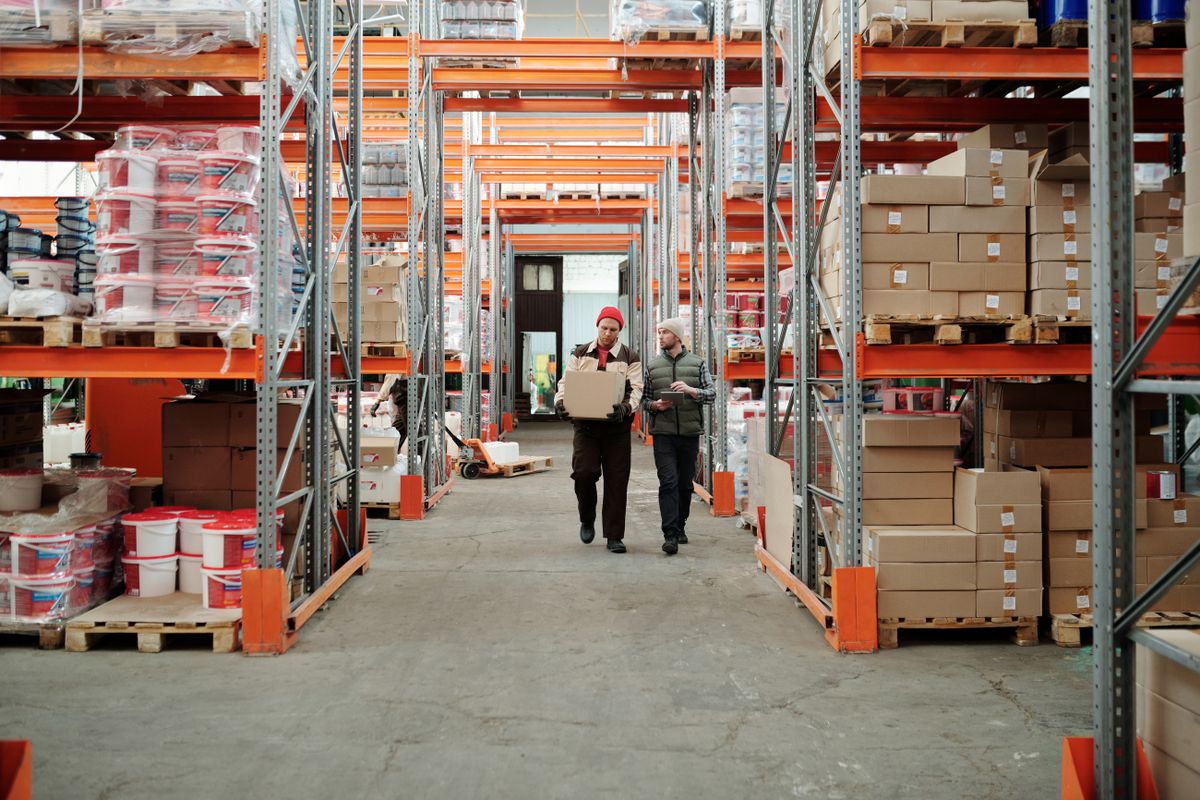
Practical, low-cost warehouse management tips for small operators. Improve efficiency without big software investments. Real figures and steps for 2026.
Running a warehouse on a tight budget doesn’t mean you have to sacrifice efficiency. You can cut costs and improve workflow with a few smart, low-cost changes. This guide gives you concrete tips you can implement this week, without expensive software or major renovations.
Start with a Layout Audit
Before you buy anything, look at your current layout. Walk every aisle and note where items are stored. Are fast-moving items in the back? Are pick paths long and winding? A simple layout change can cut travel time by 20% to 30%.
Steps this week:
- Map your floor plan on paper or a free tool like Google Drawings.
- Identify the top 20% of SKUs by order frequency (your A-items).
- Move those A-items to the front, waist-high, and near the packing station.
- Label all zones clearly with signs or floor tape (cost: $20 to $50 for tape).
You don’t need a consultant. Just use your own order data from the last 3 months.
Use Free or Low-Cost Inventory Tools
You don’t need a $50,000 WMS. Spreadsheets or free inventory apps work for many small warehouses.
Options to consider:
- Google Sheets or Excel: Free or included with Office. Set up columns for SKU, location, quantity, and reorder point. Use conditional formatting to flag low stock.
- Zoho Inventory: Free plan for up to 50 orders per month. Paid plans start around $40 to $70 per month.
- inFlow Inventory: Starts at $89 per month for small teams. Includes barcode scanning on mobile.
- Odoo Inventory: Open-source version is free if you host it yourself, but you’ll need IT skills. Cloud version starts at $24 per user per month.
For most small warehouses, a well-structured spreadsheet is enough. The key is discipline: update it daily.
Implement Barcode Scanning on a Budget
Barcode scanning doesn’t have to be expensive. You can use a $50 USB scanner with a free app like ZBar or a $200 Bluetooth scanner with your phone.
How to start:
- Print barcode labels for each bin location using a standard laser printer and label sheets (cost: $30 to $60 for 500 labels).
- Use a free barcode generator like Barcode Generator (online) or a spreadsheet add-on.
- Scan items when receiving and when picking. This reduces errors by up to 40%.
If you use a cloud-based inventory system, many have mobile apps that turn your phone into a scanner. No extra hardware needed.
Reduce Waste with Cycle Counting
Full physical inventories are time-consuming and disruptive. Cycle counting is a cheaper, ongoing method.
Cycle counting plan:
- Count a portion of your inventory each week, say 10% of SKUs.
- Focus on high-value or fast-moving items more often (A-items every week, B-items monthly, C-items quarterly).
- Use a simple spreadsheet to track counts and adjust discrepancies immediately.
This catches errors early and reduces the cost of a full annual count. It also improves inventory accuracy to 95% or higher within a few months.
Optimize Your Picking Process
Picking is often the most labor-intensive task. Small changes can save hours per week.
Low-cost improvements:
- Batch picking: Pick multiple orders at once, then sort at a packing station. This cuts travel time by 30% to 50%.
- Zone picking: Assign each picker to a zone. They pick items in their zone for multiple orders. This works well if you have 3 or more pickers.
- Put fast movers near each other: Group items that are often ordered together (e.g., nuts and bolts).
You can implement batch picking with just a clipboard and a printed list. No software required.
Use Vertical Space with Pallet Racking
If you have high ceilings, you’re wasting money. Pallet racking can double or triple your storage capacity without expanding your footprint.
Costs:
- Used pallet racking: $50 to $150 per bay (depending on condition).
- New selective racking: $200 to $400 per bay, installed.
- Safety inspection and anchoring: $100 to $300 per bay.
Even adding one level of racking can save you $1,000 to $3,000 per year in rent or new space costs.
Safety note: Always anchor racks to the floor and check weight limits. Hire a professional for installation if you’re not experienced.
Cut Energy Costs
Warehouses are energy hogs, but you can reduce bills without major investment.
Quick wins:
- Switch to LED lighting: costs $50 to $150 per fixture, but saves 50% to 70% on lighting energy. Payback is usually under 2 years.
- Install motion sensors in low-traffic areas: $20 to $40 per sensor.
- Seal gaps around dock doors: weatherstripping costs $50 to $200 per door and reduces heating/cooling loss.
- Use programmable thermostats: $50 to $100, save 10% on HVAC costs.
For a 10,000 sq ft warehouse, these changes can save $500 to $1,500 per year.
Negotiate with Suppliers
Your suppliers are a cost center. A simple negotiation can save 5% to 15% on supplies and freight.
Steps this week:
- Review your top 5 supply categories (boxes, tape, pallets, labels, etc.).
- Get quotes from 2 or 3 alternative suppliers.
- Ask your current supplier to match the lowest quote. Mention you’re considering switching.
- Ask about volume discounts if you can consolidate orders.
For example, if you spend $2,000 per month on boxes, a 10% discount saves $2,400 per year.
Train Staff on Efficiency
Your staff can make or break your efficiency. But training doesn’t have to be expensive.
Low-cost training ideas:
- Cross-train employees so they can cover multiple roles.
- Hold a 15-minute weekly huddle to review one improvement tip.
- Create a simple one-page standard operating procedure (SOP) for each task. Post them near the work area.
- Use free online videos from OSHA or industry associations for safety training.
Investing time in training reduces errors and accidents, which cost money.
FAQ
Q: Do I need a WMS to be efficient? A: No. Many small warehouses run well with spreadsheets or free inventory tools. Start with a simple system and upgrade only when you outgrow it.
Q: How much does it cost to add barcode scanning? A: You can start for under $100. A USB scanner costs $20 to $50, and free software like ZBar works. If you want a mobile app, many inventory systems include scanning in their subscription.
Q: How long does it take to see savings from these tips? A: Some, like layout changes and batch picking, can show results within a week. Energy savings and supplier negotiations may take a month or two. Overall, you can expect to cut operating costs by 10% to 20% within 6 months.
Q: Is cycle counting worth the effort? A: Yes. It reduces the need for full counts, catches errors early, and improves inventory accuracy. Even counting 10% of SKUs per week can make a big difference.
The bottom line
You don’t need a big budget to run an efficient warehouse. Start with layout, use free or low-cost tools, and make small changes to picking and energy use. Focus on what gives the quickest return: layout, cycle counting, and supplier negotiation. Implement one or two tips this week, then build from there. Over time, these affordable changes can save you thousands of dollars a year without a major capital investment.