10 Best Warehouse Superior Safety Measures
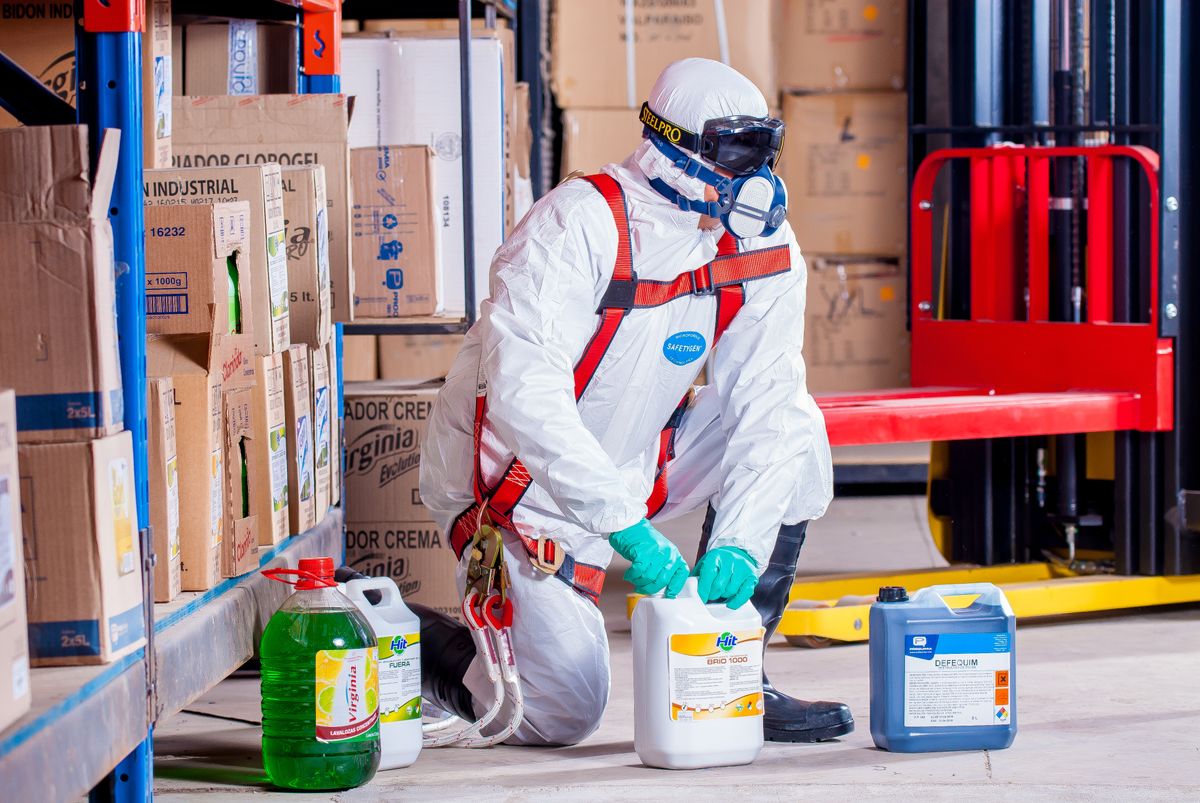
Discover 10 practical, cost-effective warehouse safety measures for 2026, with real numbers, implementation steps, and FAQs. Improve safety today.
Warehouse safety isn’t just about compliance; it’s about protecting your people and your bottom line. In 2026, the average cost of a single lost-time injury in a warehouse is between $40,000 and $80,000, not including indirect costs like training and morale. The good news: most serious incidents are preventable with the right measures. Here are the 10 best warehouse safety measures you can implement, ranked by impact and practicality.
1. Implement a Comprehensive Forklift Safety Program
Forklifts cause about 85 fatal accidents per year in the U.S., and many more injuries. A robust program includes:
- Operator certification: Ensure every operator is trained and certified per OSHA standards. Refresher courses every 3 years, or sooner if you see unsafe operation.
- Daily pre-shift inspections: Operators check brakes, horn, lights, and forks. Use a digital checklist to track compliance.
- Pedestrian awareness: Install blue spotlights or proximity sensors on forklifts to alert walkers. Cost: $200-$500 per forklift.
- Speed limits: Set and enforce a 5 mph limit in aisles. Use speed governors if needed.
Action this week: Review your current training records and schedule any overdue certifications.
2. Install High-Visibility Aisle Markings
Clear floor markings reduce confusion and prevent collisions. Use bright, durable tape or paint to define:
- Pedestrian walkways (minimum 3 feet wide)
- Forklift lanes
- Hazard zones (e.g., loading docks)
- Storage areas
Cost: $0.50-$2.00 per linear foot for tape. A 10,000 sq ft warehouse can be fully marked for $500-$1,500.
Action this week: Walk your facility and identify areas where markings are faded or missing. Order replacement tape.
3. Establish a Strict Housekeeping Routine
Clutter and spills are leading causes of slips, trips, and falls, which account for 25% of warehouse injuries. Implement:
- 5S methodology: Sort, Set in order, Shine, Standardize, Sustain. Assign zones to teams.
- Spill kits: Place absorbent spill kits at strategic points. Cost: $50-$100 each.
- Daily cleanup: End each shift with a 10-minute cleanup. Use a checklist to verify.
Action this week: Designate a housekeeping captain and start daily zone inspections.
4. Upgrade Lighting to LED
Poor lighting increases error rates and accidents. LED lighting provides brighter, more uniform illumination and saves energy.
- Recommended levels: 30-50 foot-candles in aisles, 10-20 in storage areas.
- Cost: Retrofitting a 50,000 sq ft warehouse costs $15,000-$30,000, but energy savings often pay back in 2-3 years.
- Motion sensors: Install in low-traffic areas to save energy.
Action this week: Measure light levels with a lux meter (about $20) and identify dark spots.
5. Implement a Lockout/Tagout (LOTO) Program
LOTO prevents accidental machine startups during maintenance, a major cause of severe injuries. Your program must include:
- Written procedures for each machine
- Training for all affected employees
- Periodic inspections (at least annually)
Cost: Minimal, mainly training time. Lockout kits cost $50-$200 per station.
Action this week: Audit your current LOTO procedures and ensure all equipment has proper lockout devices.
6. Use Conveyor Safety Guards
Conveyors are common in warehouses, and pinch points can cause amputations. Install:
- Guards over all moving parts: $500-$2,000 per section
- Emergency stop cords along the conveyor: $100-$300 each
- Warning signs at all access points
Action this week: Inspect all conveyors for missing guards and test emergency stops.
7. Provide Personal Protective Equipment (PPE) and Enforce Its Use
PPE is your last line of defense. Essential PPE for warehouse workers:
- Safety shoes: $50-$150 per pair. Required for anyone walking in the facility.
- High-visibility vests: $10-$20 each. Required for all pedestrians in forklift zones.
- Cut-resistant gloves: $5-$15 per pair for handling sharp materials.
- Hearing protection: $1-$5 per pair if noise exceeds 85 dB.
Action this week: Check PPE inventory and replace damaged items. Post a PPE matrix at entrances.
8. Install Fire Safety and Emergency Systems
Warehouses face fire risks from electrical issues, stored flammables, and hot work. Ensure:
- Fire extinguishers: Inspected monthly, recharged annually. Cost: $50-$150 each.
- Sprinkler systems: Tested quarterly. If you don’t have them, installation costs $1-$3 per sq ft.
- Emergency exits: Clearly marked, unobstructed, and lit. Conduct exit drills quarterly.
Action this week: Check fire extinguisher inspection tags and clear any blocked exits.
9. Implement a Safety Training and Communication Program
Ongoing training is critical. In 2026, the average warehouse spends $500-$1,000 per employee annually on safety training. Key elements:
- New hire orientation: Include a full safety walkthrough.
- Monthly toolbox talks: 15-minute sessions on specific hazards.
- Safety committee: Meet monthly to review incidents and suggestions.
- Visual communication: Use signs, posters, and digital boards to reinforce key messages.
Action this week: Schedule a toolbox talk on the most common near-miss in your facility.
10. Conduct Regular Safety Audits and Incident Reviews
You can’t improve what you don’t measure. Implement:
- Weekly walkthroughs: Use a standardized checklist to spot hazards.
- Monthly audits: Review compliance with safety rules.
- Incident investigations: For any injury or near-miss, use the 5 Whys technique to find root causes.
- Track metrics: Record TRIR (Total Recordable Incident Rate) and DART (Days Away, Restricted, or Transferred) rates. Benchmark against industry averages (TRIR around 4.0 for warehousing).
Action this week: Create a simple audit checklist and assign a team to perform the first walkthrough.
FAQ
Q: How much does it cost to implement these safety measures?
A: Costs vary widely. Basic measures like markings and PPE can cost under $1,000. Full programs, including lighting upgrades and training, can range from $20,000 to $50,000 for a mid-sized warehouse. However, the average cost of one lost-time injury is $40,000-$80,000, so prevention pays off quickly.
Q: What are the most common warehouse safety violations?
A: OSHA’s top citations in warehouses include forklift issues, hazard communication, electrical wiring, and exit routes. In 2025, the most cited was fall protection, followed by hazard communication. Regular audits help avoid these.
Q: How often should safety training be conducted?
A: OSHA requires initial training for specific tasks (e.g., forklift operation) and refresher training as needed. Best practice is monthly toolbox talks, annual full refreshers, and immediate training after any incident or near-miss.
Q: Can small warehouses with limited budgets still improve safety?
A: Yes. Start with low-cost measures: clear markings, housekeeping, PPE enforcement, and daily inspections. These can reduce incidents by up to 30% with minimal investment.
The bottom line
Warehouse safety is not a one-time project; it’s a continuous commitment. The 10 measures above are proven to reduce injuries, improve morale, and save money. Start with the highest-impact, lowest-cost items this week: inspect your forklift program, refresh floor markings, and enforce PPE. Then build from there. Your workers are your most valuable asset. Protect them, and your bottom line will follow.