Tire Repair vs Replacement
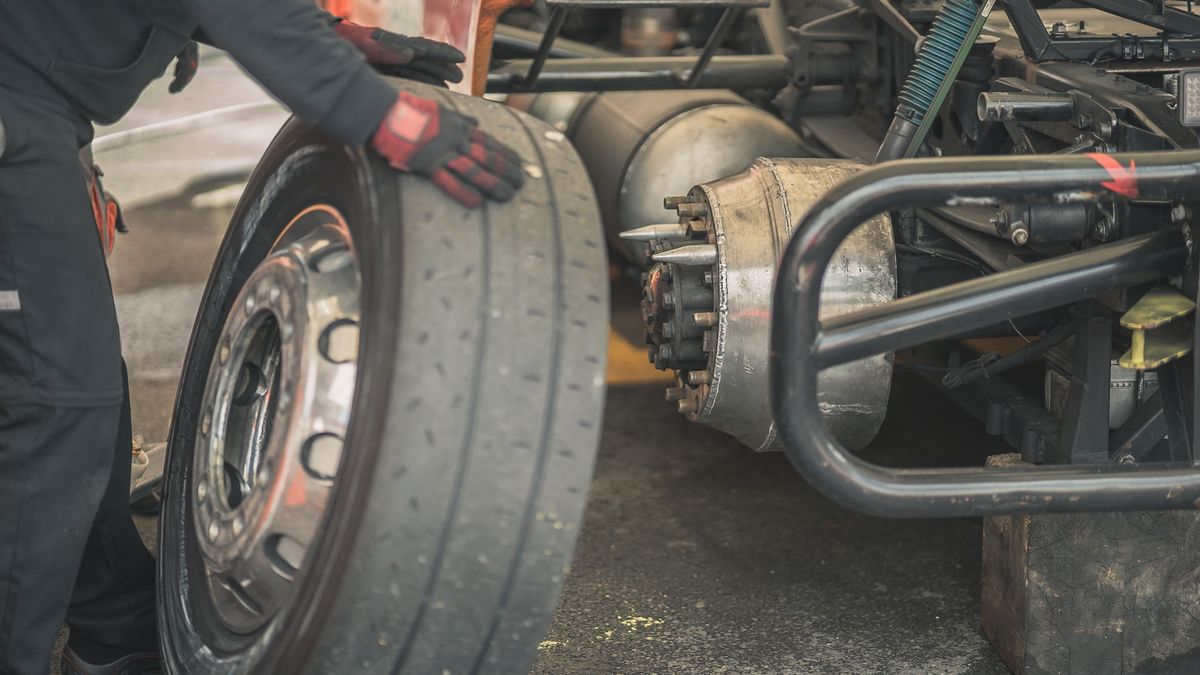
Deciding whether to repair or replace a truck tire? Get practical guidance, cost comparisons, and safety rules for 2026.
When a commercial truck tire gets damaged, the first question is always: repair it or replace it? The answer depends on the damage location, size, and whether the tire can be safely repaired according to industry standards. In this guide, we break down the decision-making process, costs, and practical steps so you can make the right call without compromising safety or your bottom line.
When to Repair a Truck Tire
Repairing a truck tire is only safe if the damage meets specific criteria. The Tire Industry Association (TIA) and the Rubber Manufacturers Association (RMA) set the standards that most fleets and repair shops follow. As of 2026, these are the general rules:
- Damage location: Only the tread area can be repaired. Sidewall, shoulder, or belt edge damage means the tire must be replaced.
- Damage size: The puncture or cut must be 1/4 inch (6 mm) or smaller in diameter. Larger damage compromises the structural integrity.
- Speed rating: If the tire is speed-rated above 65 mph, some manufacturers require a patch and plug combination, not just a plug.
- Tread depth: The tire must have at least 2/32 inch of tread remaining. If it’s worn below that, replace it.
- No prior repairs: A tire that has already been repaired once in the same area, or has multiple repairs, is not a candidate for another repair.
If the damage meets these criteria, a proper repair involves removing the tire from the rim, inspecting the inside, and using a combination patch and plug. This is not a DIY job for most drivers; it requires specialized equipment and training.
When to Replace a Truck Tire
Replace the tire if any of the following apply:
- Sidewall damage: Cuts, bulges, or bubbles in the sidewall are irreparable and dangerous.
- Belt or ply damage: If the impact broke the steel belts or the tire has a visible bulge, it’s done.
- Damage larger than 1/4 inch: Any cut or puncture larger than that is too big to repair safely.
- Multiple repairs: If the tire already has two or more repairs, or if a repair is in the same spot as a previous one, replace it.
- Tread below 2/32 inch: Even if repairable, the tire is at the end of its life.
- Age: Tires over 6 years old, regardless of tread, should be replaced. Rubber degrades over time.
- Run flat or driven underinflated: If the tire was driven while flat or severely underinflated, internal damage is likely, and replacement is the only safe option.
Cost Comparison: Repair vs Replacement
Repair costs vary by region and shop, but here are realistic 2026 figures:
| Option | Typical Cost Range | Notes |
|---|---|---|
| Plug only (temporary) | $20-$40 | Not a permanent repair; only for getting to a shop |
| Patch and plug (proper repair) | $50-$100 | Includes dismount, inspection, and repair |
| Replacement tire (steer) | $350-$600 | New tire, installed |
| Replacement tire (drive) | $400-$700 | New tire, installed |
| Retread (drive/trailer) | $200-$350 | Casing must be sound; not always an option |
| Roadside service call | $150-$300 | Plus parts and labor |
Note that a proper repair is almost always cheaper than a replacement, but only if the tire is repairable. A replacement costs 5 to 10 times more, so it’s worth taking the time to assess the damage correctly.
How to Assess Tire Damage: Step-by-Step
Here’s what to do when you find a damaged tire, whether on the road or during a pre-trip inspection:
- Inspect the damage: Look at the location and size. Use a tire gauge or ruler to measure the puncture. If it’s in the sidewall or shoulder, skip to replacement.
- Check for air loss: If the tire is losing air rapidly, it may be unsafe to drive. If it’s a slow leak, you might be able to drive to a shop, but only if the tire is not underinflated by more than 20%.
- Look for bulges or bubbles: These indicate internal belt damage. Do not drive on it; replace the tire.
- Check tread depth: Use a tread depth gauge. If it’s below 2/32 inch, replacement is required.
- Consult a professional: If you’re unsure, call a tire service. Many will come to you and give a free assessment.
- Document everything: Take photos and note the tire’s position (steer, drive, trailer) for your records.
The Role of Retreading
Retreading is a cost-effective alternative to buying new, but it’s only possible if the casing is in good condition. A retread involves replacing the tread on a used casing. In 2026, a retread for a drive or trailer tire costs $200-$350, which is about half the price of a new tire. However, retreads are not recommended for steer axles in most fleets due to safety concerns. If you’re considering a retread, have the casing inspected by a certified retreader.
Safety and Legal Considerations
Driving on a damaged tire is not just risky; it can also lead to violations. The Federal Motor Carrier Safety Administration (FMCSA) requires that tires have at least 2/32 inch of tread and no exposed cords or fabric. A tire with a repairable puncture is not necessarily a violation, but a tire with a bulge or sidewall damage is. If you’re stopped and found with an unsafe tire, you could face fines and an out-of-service order.
Always follow the repair guidelines from the tire manufacturer as well. Some manufacturers void warranties if repairs are not done by authorized shops.
FAQ
Q: Can I repair a tire with a nail in the sidewall? A: No. Sidewall damage is never repairable. The tire must be replaced.
Q: How much does a proper tire repair cost? A: Expect to pay $50-$100 for a patch and plug repair, including labor. Some shops may charge more for after-hours or roadside service.
Q: Can a tire be repaired more than once? A: Yes, but only if the repairs are in different areas and each repair meets the size and location criteria. However, most tire manufacturers recommend no more than two repairs per tire.
Q: Is it safe to use a plug-only repair? A: Plug-only repairs are temporary. They can be used to get to a shop, but they are not a permanent fix. A proper patch and plug is the only safe long-term repair.
The Bottom Line
When in doubt, replace. A blowout on a steer axle at highway speed can be catastrophic. The cost of a new tire is far less than the cost of an accident, downtime, or a violation. For minor tread punctures, a proper repair is safe and cost-effective. Always have a professional assess the damage, and never risk driving on a tire that shows signs of internal damage. Your safety and your wallet will thank you.