Tire Pressure vs Temperature
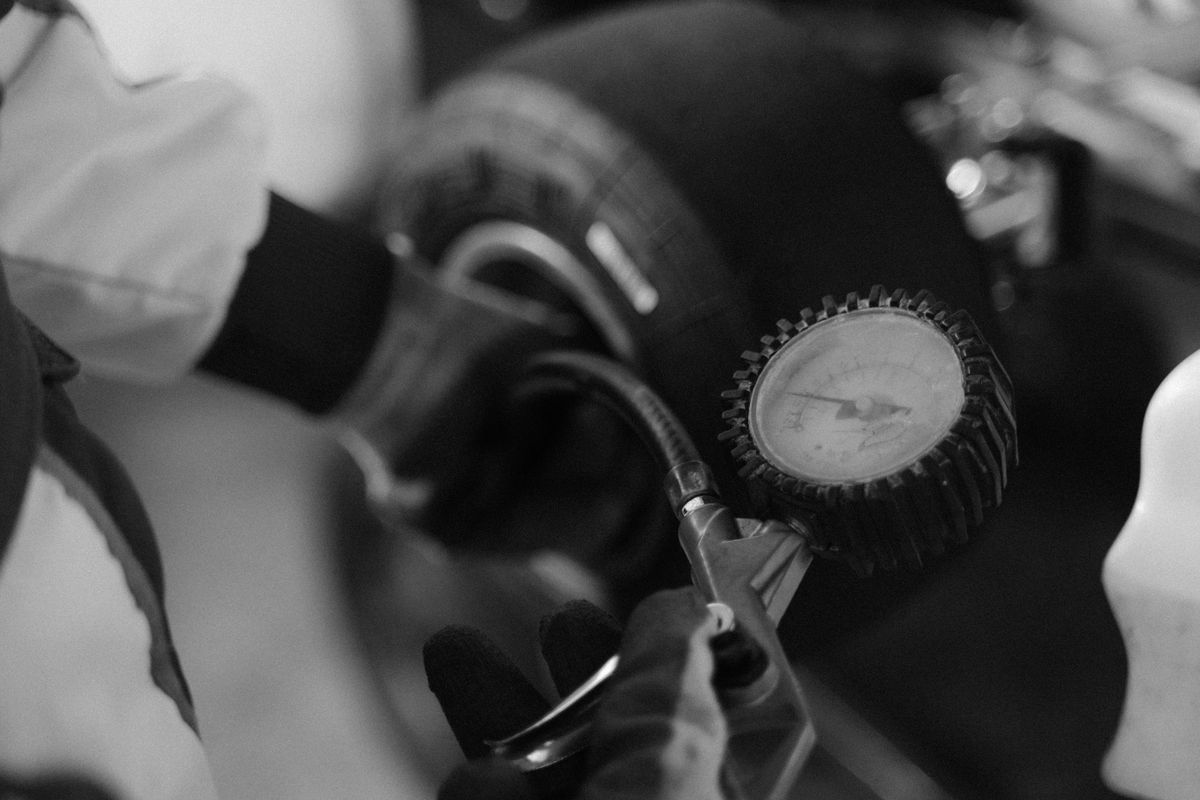
Learn how temperature affects truck tire pressure, with practical adjustment tips and a comparison of monitoring methods for 2026.
Tire pressure and temperature are directly linked: for every 10°F change in ambient temperature, tire pressure shifts by about 1-2 psi (pounds per square inch). As tires heat up from road friction, pressure rises; as they cool down, it falls. This guide explains the relationship, why it matters for safety and fuel economy, and how to manage it effectively.
The Science: How Temperature Affects Pressure
Tires are filled with air, which expands when heated and contracts when cooled. The ideal gas law (PV=nRT) governs this: at a constant volume, pressure increases with temperature. For a typical truck tire, the rule of thumb is:
- 1 psi change for every 10°F change in ambient temperature.
- Additional heat from driving: at highway speeds, tire temperature can rise 50-100°F above ambient, increasing pressure by 5-10 psi.
For example, if you set your cold tire pressure to 100 psi at 70°F, and the temperature drops to 30°F, your pressure will drop to about 96 psi. Conversely, on a hot day with heavy load, pressure can spike to 110+ psi.
Why It Matters: Safety, Wear, and Fuel
Safety
- Underinflation (low pressure) causes excessive flexing, heat buildup, and can lead to blowouts. A 20% underinflation can reduce tire life by 30% and increase the risk of failure.
- Overinflation reduces the contact patch, leading to uneven wear and reduced traction, especially in wet conditions.
Tire Wear
- Underinflation wears the shoulders (edges) of the tread.
- Overinflation wears the center of the tread.
- Proper pressure ensures even wear and maximum mileage. A typical drive tire can last 100,000-150,000 miles if maintained correctly, but poor pressure can cut that by 20-30%.
Fuel Economy
- Underinflated tires increase rolling resistance. A 10 psi drop can reduce fuel economy by 1-2%. For a truck getting 6 mpg, that’s an extra $0.02-$0.04 per mile in fuel costs. Over a year (100,000 miles), that’s $2,000-$4,000 extra.
Cold vs Hot Pressure: What to Use
Always check tire pressure when tires are cold (not driven for at least 3 hours, or less than 1 mile at low speed). The recommended pressure on the tire sidewall or in the owner’s manual is a cold pressure. Hot pressure will be higher, and you should not bleed air out of a hot tire to match cold specs, as that can lead to underinflation when it cools.
Practical rule: If you must check hot, add 10-15% to the cold target. For example, if cold target is 100 psi, a hot reading of 110-115 psi is normal.
Managing Pressure Across Seasons
Winter
- Check pressure more frequently, as cold snaps can cause rapid drops.
- Expect to add air when temperatures fall. A 30°F drop means you’ll need to add 3-6 psi.
- Consider nitrogen fill: nitrogen is less reactive to temperature changes than regular air, reducing pressure fluctuation. Cost: $10-$20 per tire to convert.
Summer
- Monitor for overinflation on hot days. If pressure exceeds the max cold rating by 10% or more, it’s okay, but if it exceeds the max hot rating (usually 120-130 psi), you may need to stop and let tires cool.
- Avoid bleeding air from hot tires unless pressure is dangerously high (above the max inflation on the sidewall).
Monitoring Methods: Comparison Table
| Method | Cost | Accuracy | Ease of Use | Best For |
|---|---|---|---|---|
| Manual gauge (stick or digital) | $10-$30 | High (if calibrated) | Moderate: requires stopping | Budget-conscious drivers |
| Tire pressure monitoring system (TPMS) | $200-$500 per trailer (sensors + monitor) | High, real-time | High: alerts you to changes | Fleet owners, long-haul drivers |
| Automatic tire inflation system (ATIS) | $1,500-$3,000 per axle | High, self-correcting | Very high: no manual checks | Fleets with high mileage |
| Nitrogen fill | $10-$20 per tire (one-time) | Stable pressure | Moderate: still need to check | Those wanting less fluctuation |
| Smart tire sensors (Bluetooth) | $100-$300 per set | High | High: app-based | Owner-operators |
Practical Steps You Can Take This Week
- Check cold pressures every morning before driving, or at least once a week. Use a calibrated gauge.
- Log your pressures in a notebook or app. Track how they change with temperature to predict adjustments.
- Adjust for weather: If a cold front is coming, add 2-3 psi preemptively. If a heatwave hits, expect higher readings and don’t panic.
- Inspect tires visually for bulges, cuts, or uneven wear, which can indicate pressure issues.
- Consider investing in a TPMS if you don’t have one. It pays for itself in fuel savings and avoided breakdowns.
- Use a tire pressure chart (available online or from tire manufacturers) to calculate adjustments based on temperature.
FAQ
Q: How often should I check tire pressure?
A: At least once a week, and before any long trip. Daily checks are ideal, especially in extreme weather.
Q: Can I adjust pressure based on load?
A: Yes. Heavier loads require higher pressure. Check the tire sidewall for load/inflation tables, or consult your owner’s manual. For example, a fully loaded trailer may need 110 psi, while empty you can run 90 psi.
Q: What is the ideal pressure for my truck tires?
A: It varies by tire size and load. Common steer tire pressures are 100-110 psi, drive tires 90-100 psi, and trailer tires 80-100 psi. Always follow the manufacturer’s recommendation.
Q: Does nitrogen really help?
A: Yes, nitrogen molecules are larger than oxygen, so they escape slower, and nitrogen is less affected by temperature. It reduces pressure fluctuation and maintains pressure longer, but it’s not a substitute for regular checks.
The Bottom Line
Temperature is the biggest variable in tire pressure. A 10°F change means about 1-2 psi, and driving heat can add 10 psi or more. Check cold pressures regularly, adjust for weather, and use monitoring tools if possible. Proper pressure saves money on fuel and tires, and it keeps you safer on the road. Make it a habit, and your tires will thank you with longer life and fewer blowouts.