Tire Pressure vs Temp
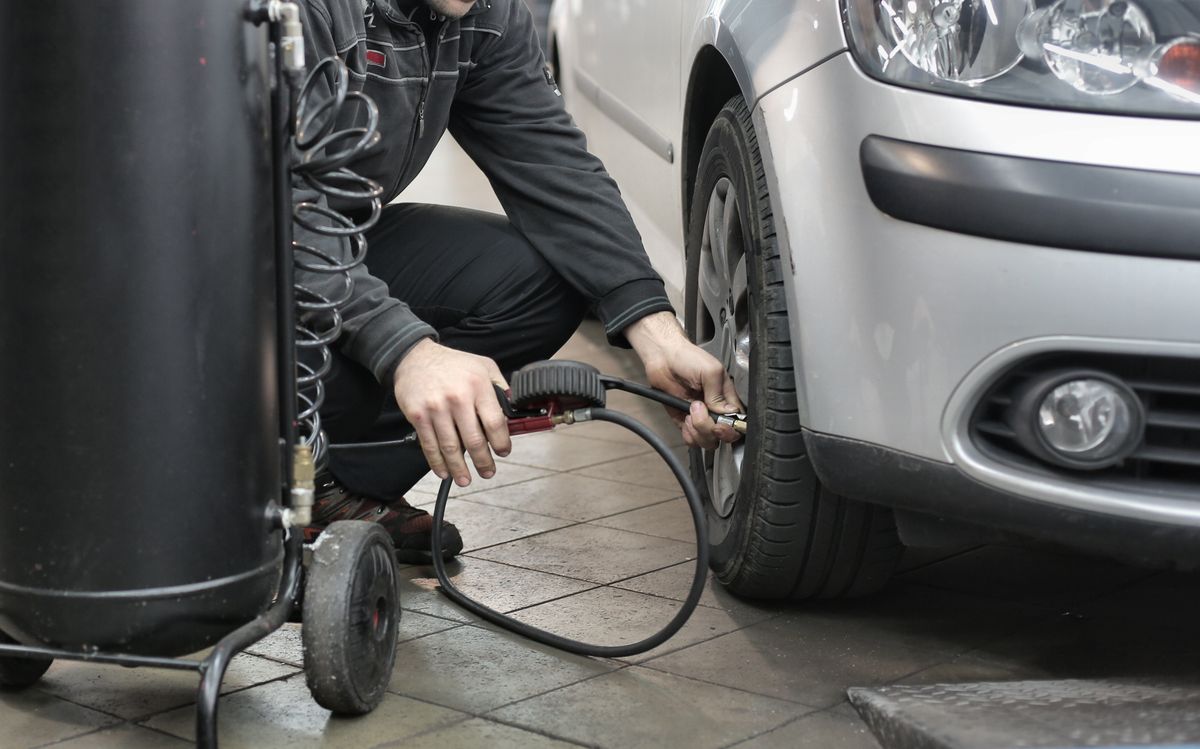
Learn how temperature affects truck tire pressure, why it matters for safety and fuel economy, and practical steps to manage it. Includes comparison table and FAQ.
Tire pressure and temperature are directly linked: for every 10°F change in ambient temperature, tire pressure changes by about 1 to 2 psi. This means a tire inflated to 100 psi on a 70°F morning could read 104 psi on a 90°F afternoon, or drop to 96 psi on a 50°F night. Ignoring this relationship leads to underinflation, which causes heat buildup, premature wear, and blowouts, or overinflation, which reduces traction and makes the ride harsh. This guide explains the physics, why it matters for your wallet and safety, and how to manage tire pressure effectively across temperature swings.
The Science: How Temperature Affects Air Pressure
Tires contain air, and air follows the ideal gas law: pressure increases with temperature if volume stays constant. In a tire, volume changes slightly as the sidewall flexes, but the effect is still significant. The rule of thumb is about 1 psi for every 10°F change in outside air temperature. However, driving heats the tire internally due to friction and flexing, so a tire that starts at 100 psi cold can rise to 110-115 psi after an hour on the highway. This is normal and expected.
Key points:
- Cold pressure (before driving) is the baseline for inflation checks.
- Hot pressure (after driving) is always higher, sometimes by 10-15%.
- Underinflation causes excessive flexing, which generates more heat, accelerating wear and increasing blowout risk.
- Overinflation reduces the contact patch, leading to uneven wear in the center of the tread and reduced grip.
Why It Matters: Safety, Fuel, and Tire Life
Safety: Underinflated tires overheat, and heat is the leading cause of tire failures. A blowout at highway speed can cause loss of control, especially with a trailer. Proper pressure maintains the tire’s shape and load capacity.
Fuel economy: Underinflated tires increase rolling resistance. The U.S. Department of Energy estimates that every 1 psi drop in pressure can reduce fuel economy by 0.2% to 0.3%. For a truck getting 6 mpg and driving 100,000 miles a year at $3.50 per gallon, a 10 psi deficit could cost you over $1,000 annually in extra fuel.
Tire life: Running 20% underinflated can cut tire life by up to 30%. A set of drive tires costs $1,200 to $1,800, so premature replacement hits your bottom line hard.
Managing Tire Pressure Across Temperatures
Check Cold Pressure Daily
Check tire pressure when tires are cold, meaning the truck has been parked for at least 3 hours or driven less than a mile. Use a quality gauge, not just the dashboard TPMS. Record the readings in your log or app.
Adjust for Seasonal Changes
When temperatures drop 10°F or more, expect a 1-2 psi drop per tire. Add air to bring them to the manufacturer’s recommended cold pressure, usually found on the sidewall or in the owner’s manual. For most truck tires, that’s between 90 and 110 psi for steer tires, and 80 to 100 psi for drive and trailer tires, depending on load.
Use a Tire Pressure Monitoring System (TPMS)
TPMS gives real-time readings and alerts for sudden drops. Many systems also track temperature, which helps you spot overheating before a failure. Costs range from $50 for a simple valve-stem cap system to $500 or more for a full trailer monitoring setup.
Don’t Let Air Out of Hot Tires
Some drivers bleed air from hot tires to bring pressure down to cold spec. This is a mistake. When a tire heats up, pressure rises; if you release air, you’ll be underinflated when it cools, leading to dangerous heat buildup. Always adjust to cold pressure.
Plan for Altitude and Weather Changes
If you’re crossing mountain passes or moving from a cold region to a warm one, pressure will change. Check at the start of each day and adjust as needed.
Comparison: Tire Pressure Management Options
| Method | Cost Range | Pros | Cons |
|---|---|---|---|
| Manual gauge | $10-$30 | Inexpensive, accurate if used correctly | Time-consuming, easy to skip, no alerts |
| Digital gauge | $20-$50 | Easy to read, more accurate than analog | Still manual, no monitoring |
| Valve-stem TPMS | $50-$150 | Simple install, alerts for low pressure | Only monitors at valve, may not detect slow leaks |
| Internal TPMS (per wheel) | $200-$600 per axle | Real-time pressure and temp, accurate | More expensive, requires installation |
| Automatic inflation systems (e.g., PSI) | $1,500-$3,000 per axle | Maintains pressure automatically, extends tire life | High upfront cost, complex installation |
| Central tire inflation (military/off-road) | $5,000+ | Adjust pressure from cab, ideal for off-road | Overkill for most highway use |
Practical Steps for This Week
- Check cold pressures every morning for three days. Write down the readings and the outside temperature. You’ll see the correlation.
- Set a baseline: Inflate all tires to the manufacturer’s cold spec when the ambient temp is around 70°F. If it’s hotter or colder, adjust accordingly using the 1 psi per 10°F rule.
- Inspect tires for damage while checking pressure: look for cuts, bulges, or uneven wear.
- Invest in a good digital gauge if you don’t have one. It’s a small cost for accuracy.
- Consider a TPMS if you frequently run long distances or in varying climates. The peace of mind is worth it.
FAQ
Q: Should I adjust tire pressure for each season? A: Yes. When ambient temperatures change by 10°F or more, check and adjust cold pressures. For example, if you set pressures in summer at 100 psi, and winter arrives with a 30°F drop, expect pressures to be around 94-97 psi. Add air to bring them back to spec.
Q: What’s the difference between cold and hot pressure readings? A: Cold pressure is measured when the tire hasn’t been driven for at least 3 hours. Hot pressure is after driving, and it’s normal for it to be 10-15% higher. Always use cold pressure as your reference.
Q: Can I rely on TPMS instead of manual checks? A: TPMS is a helpful tool, but it’s not a substitute for manual checks. Sensors can fail, and they don’t catch all issues like tread wear or sidewall damage. Use both.
Q: What happens if I run tires underinflated in cold weather? A: Underinflation in cold weather increases flexing and heat, which can lead to tire failure even at lower speeds. It also reduces fuel economy and accelerates wear. Always maintain proper cold pressure.
The Bottom Line
Tire pressure and temperature are inseparable. A 10°F change in ambient temperature shifts pressure by 1-2 psi, and driving heat raises it further. Managing this means checking cold pressures daily, adjusting for seasonal swings, and never bleeding hot tires. The cost of a good gauge or TPMS is small compared to the savings in fuel, tire life, and the safety of avoiding a blowout. Make tire pressure part of your pre-trip routine, and you’ll keep your rig rolling efficiently and safely.
Check date: February 2026. Regulations and recommendations may change; always refer to the latest manufacturer guidelines and FMCSA updates.