Tire Cables vs Tire Chains
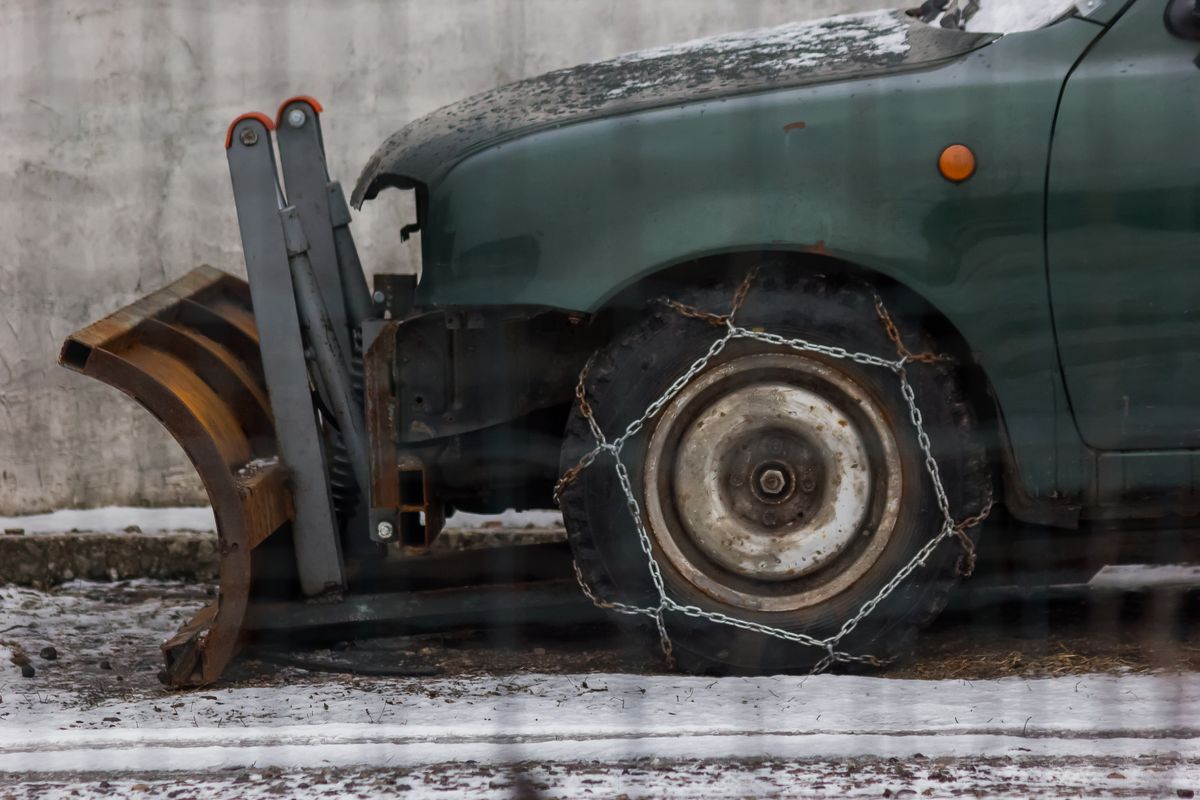
Compare tire cables and chains for trucks: costs, traction, durability, and legal use. Get practical advice to choose the right traction device for your rig.
When the road turns to ice and snow, you need traction. The two main options for truck tires are tire chains and tire cables. Both get you moving, but they differ in cost, durability, and performance. This guide compares them directly so you can decide which fits your driving conditions and budget.
What Are Tire Chains and Tire Cables?
Tire chains are made of interlinked metal links, typically steel, that wrap around the tire’s tread. They provide aggressive bite into snow and ice. Tire cables use a series of steel cables or wire ropes, often with small cross links, tensioned around the tire. They are lighter and easier to install than chains.
Both are legal in most states when chains are required, but cable performance can vary in deep snow or ice. Check your state’s traction device rules before you rely on them.
Cost Comparison
Price is a major factor. Here are typical ranges for truck tire traction devices (per pair, for 22.5 inch steer or drive tires) as of 2026:
| Device | Price Range (per pair) | Lifespan (typical) |
|---|---|---|
| Standard tire chains (steel) | $150-$300 | 5-10 seasons with care |
| Heavy-duty chains (e.g., double or triple link) | $250-$450 | 10+ seasons |
| Tire cables (standard) | $100-$200 | 2-4 seasons |
| Tire cables (heavy-duty) | $150-$250 | 3-5 seasons |
Prices vary by brand, gauge, and whether you buy for steer or drive axles. Chains cost more upfront but often last longer. Cables are cheaper but wear out faster, especially on dry pavement.
Traction Performance
Chains win on pure grip. The metal links dig into ice and packed snow, giving you maximum traction for steep grades and deep drifts. Cables have less surface contact and smaller cross sections, so they can slip on hard ice or in heavy snow.
For most highway use, cables are adequate if you drive at moderate speeds and avoid extreme conditions. But if you run mountain passes or frequent icy roads, chains are the safer bet.
Installation and Storage
Cables are easier to put on. They are lighter, have a simpler tensioning system, and often can be installed without moving the truck. Chains are heavier and more complex, requiring more time and sometimes a helper. Practice installing both in your yard before you need them in a storm.
Storage matters too. Chains take up more space and can rust if not dried. Cables are compact and less prone to corrosion, but they can kink if stored carelessly.
Durability and Maintenance
Chains are built to take abuse. They can handle occasional contact with pavement, but they will wear down over time. Inspect links for cracks and worn spots. Cables are more fragile. Running on bare pavement for even a short distance can snap a cable, leaving you stranded.
If you frequently drive on roads that are only partially snow-covered, cables may not last. Chains are more forgiving, but they also need regular checks for tension and wear.
Legal and Regulatory Considerations
Most states require chains on drive axles when chain laws are in effect. Some allow cables as an alternative, but not always. For example, California’s chain requirements list “traction devices” that include chains and cables, but cables must meet specific standards. Washington and Oregon also have specific rules.
Check the current regulations for the states you run in. The Department of Transportation (DOT) does not mandate a specific device, but state laws do. As of 2026, most mountain states accept cables, but some require chains on at least one drive axle in severe conditions. Always carry both if you cross multiple states.
Practical Recommendations
Here is how to choose based on your typical routes:
- If you run mostly flat, mild winter roads: Cables are enough and save money.
- If you run mountain passes or frequent icy conditions: Invest in heavy-duty chains.
- If you drive in variable conditions: Carry chains for the drive axles and cables as spares.
- If you are on a tight budget: Cables are cheaper, but plan to replace them more often.
Also, consider your tire type. Traction devices work best on tires with good tread depth. Worn tires reduce effectiveness of any device.
FAQ
Can I use cables on steer axles? Yes, but check your state’s rules. Some states require chains on steer axles in extreme conditions. Cables are often allowed, but they may not provide enough grip for steering on ice.
How fast can I drive with chains or cables? Manufacturers typically recommend 30-40 mph max. Going faster can damage the device and your tires. Slow down and drive smoothly.
Do I need chains on both drive and trailer axles? Most states require chains on the drive axles only. Trailer axles usually do not need them, but some jurisdictions may require them in severe weather. Always follow local signage.
How do I know if my cables are legal? Look for a label or certification from the state’s DOT. Many states list approved devices. If in doubt, contact your state’s DOT or a local truck stop.
The Bottom Line
Tire chains offer superior traction and durability but cost more and are harder to install. Tire cables are cheaper and easier to use but wear out faster and perform poorly in extreme conditions. For most over-the-road drivers, a set of heavy-duty chains is the reliable choice, especially if you run mountain routes. If you stick to milder weather, cables can save you money. Whichever you pick, practice installing them before you need them, and always check state regulations. Your safety depends on having the right traction device for the conditions, so choose based on your routes, not just price.