New vs Used Tires
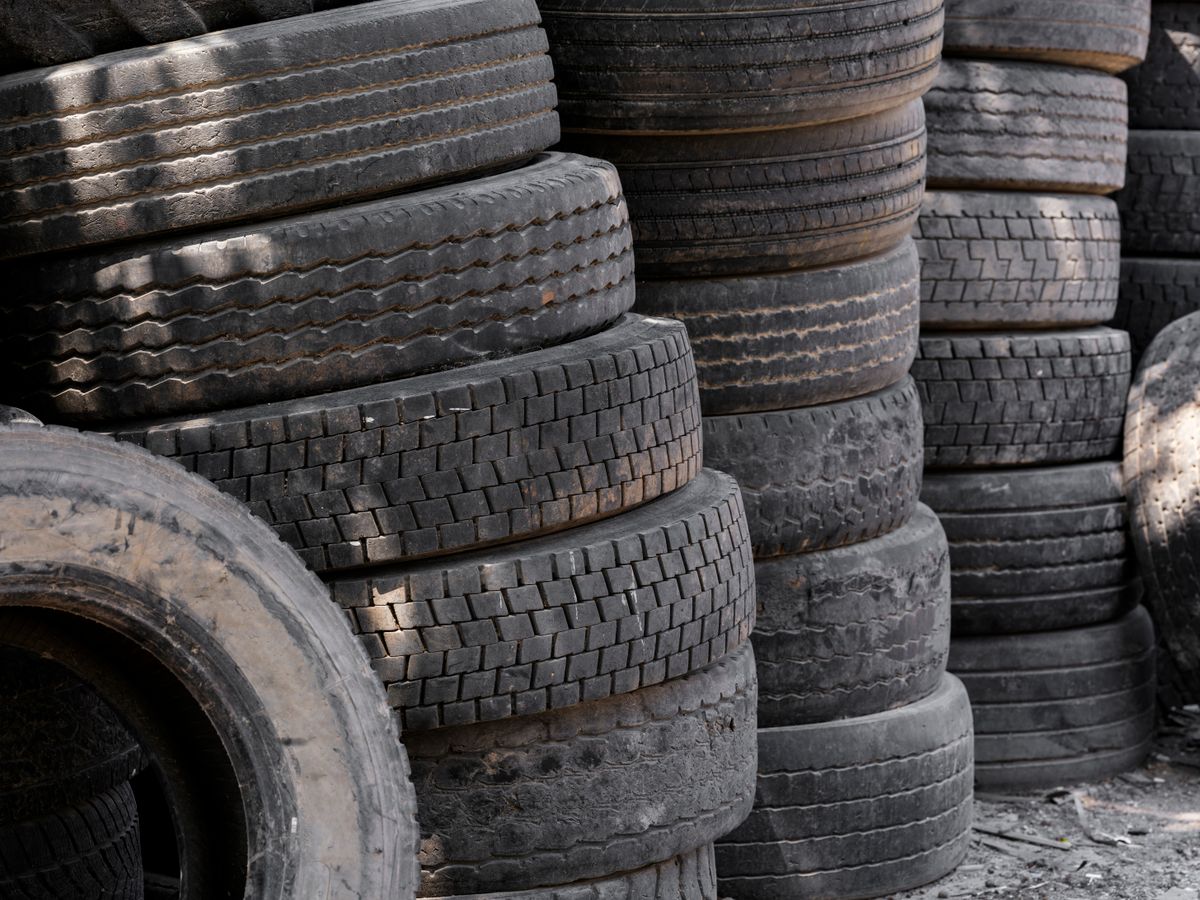
Compare new vs used truck tires: costs, risks, and practical tips for owner-operators and small fleets in 2026.
When it comes to truck tires, the choice between new and used is a real business decision. New tires cost more upfront but offer full tread life and fewer surprises. Used tires save money but come with hidden risks like previous damage or uneven wear. This guide breaks down the real costs, safety considerations, and practical steps to help you decide what fits your operation.
The Cost Difference: New vs Used
New drive tires typically run $350 to $550 each, depending on brand and size. Steer tires are often $400 to $600. Retreads are cheaper, around $200 to $300, but they are not the same as used tires. Used tires, meaning casings that have been removed from another truck, usually sell for $50 to $150 each. That is a significant savings, but you need to factor in the risk of shorter remaining life and potential failure.
For a set of six drive tires, new costs $2,100 to $3,300. Used might be $300 to $900. The difference is real money, but it can disappear if a used tire fails early or causes downtime.
Safety and Performance Risks
Used tires are a gamble. You cannot always see internal damage like belt separation or sidewall fatigue. Even if the tread looks good, the casing might have been run underinflated or overloaded, which weakens it. A blowout on a steer axle can cause a serious accident, so many fleets refuse to run used tires on steer positions. For drive and trailer positions, used tires are more common, but you still need to inspect them carefully.
New tires come with a warranty and known history. They also have full tread depth, which means better traction in rain and snow. Used tires often have less tread, so wet-road performance is worse. That matters if you run in the mountains or northern states.
How to Inspect a Used Tire Before Buying
If you decide to buy used, do a thorough inspection. Here is a checklist:
- Check the DOT code: tires older than 6 years are risky, even if tread is good. Look for a 4-digit code on the sidewall, like 2319, meaning the 23rd week of 2019.
- Look for cuts, bulges, or cracks in the sidewall and tread.
- Run your hand over the tread (carefully) to feel for uneven wear, which indicates alignment or suspension issues.
- Check the tread depth with a gauge. Anything below 4/32 inch is not worth buying.
- Ask for the tire’s history: was it a steer, drive, or trailer tire? Steer tires often have more casing life left.
- Avoid tires with plugs or patches, especially in the shoulder or sidewall.
Comparison Table: New, Used, and Retread Options
| Option | Price Range (per tire) | Typical Remaining Tread | Risk Level | Best For |
|---|---|---|---|---|
| New steer tire | $400-$600 | 100% (18/32 to 22/32) | Low | Steer axles, long-haul |
| New drive tire | $350-$550 | 100% (18/32 to 22/32) | Low | Drive axles, high-mileage |
| Retread drive tire | $200-$300 | 80-90% (14/32 to 18/32) | Medium | Drive axles, cost-conscious |
| Used tire (good condition) | $50-$150 | 50-70% (8/32 to 14/32) | Medium to High | Trailer axles, short-haul |
| Used tire (unknown history) | $30-$80 | Variable | High | Avoid unless desperate |
When New Tires Make Sense
If you run long-haul routes with high annual mileage, new tires are often the better investment. They give you predictable performance, fewer breakdowns, and better fuel economy. New tires also come with a casing that can be retreaded later, which adds value. For steer tires, always go new. A steer tire failure is too dangerous to risk.
When Used Tires Make Sense
Used tires can work for trailer positions, especially if you are a small fleet running local routes at lower speeds. They also make sense if you are on a tight budget and need to get a truck rolling quickly. But you must inspect every tire and know the seller. Some tire shops sell used tires with a small warranty, like 30 days, which adds some protection.
Practical Steps for This Week
- Check your current tires: measure tread depth on all positions. If any tire is below 4/32, plan to replace it.
- Call two local tire dealers and get quotes for new and used tires for your truck. Ask about retreads too.
- Calculate your cost per mile for tires. For example, a $450 new drive tire that lasts 120,000 miles costs $0.00375 per mile. A $100 used tire that lasts 30,000 miles costs $0.00333 per mile, but only if it lasts that long.
- Inspect any used tire you consider buying, using the checklist above.
- If you buy used, keep the receipt and note the DOT code for tracking.
FAQ
Can I use used tires on steer axles?
It is not recommended. Steer tires are critical for control and blowout resistance. Most fleets and safety experts say new tires only for steer positions. The risk of a blowout at highway speed is too high.
How long do used truck tires last?
It depends on remaining tread and casing condition. A used tire with 10/32 tread might last 30,000 to 50,000 miles on a trailer, but it could fail earlier if the casing is weak. Always inspect and ask for history.
Are retreads a better option than used tires?
Retreads are new tread on a certified casing. They are more reliable than most used tires because they are inspected and processed by a professional retreader. They cost more than used, but less than new, and are common on drive axles.
What is the legal minimum tread depth for truck tires?
Federal law requires 2/32 inch on steer tires and 4/32 inch on drive and trailer tires. But for safety, replace before those limits. Wet traction drops significantly below 6/32.
The Bottom Line
New tires cost more but give you peace of mind and full performance. Used tires save money but come with real risks. A balanced approach: new steer tires, new or retread drive tires, and used tires only on trailers if they pass a rigorous inspection. Always factor in the cost of downtime and potential accidents. Your choice affects your safety and your bottom line, so choose based on data, not just price.
Check your current tires this week and get quotes from a dealer. That simple step will help you make a smart decision for your truck and your wallet.