Cable Tire Chains vs Tire Chains
Compare cable tire chains and traditional tire chains for trucks: cost, traction, durability, and when to use each. Get practical advice for 2026.
When winter hits and the roads turn to ice, you need traction. The question is whether to run cable tire chains or traditional link chains on your truck. The short answer: traditional link chains give you the best traction and durability for heavy use, while cable chains are lighter, easier to install, and fine for occasional or lighter duty. But the right choice depends on your routes, load, and budget. Here’s the breakdown.
What Are Cable Tire Chains?
Cable tire chains use steel cables wrapped around the tire, usually in a diamond or ladder pattern. They’re lighter than link chains, often weighing half as much, and they install faster. You’ll find them mostly for light trucks and passenger vehicles, but some manufacturers make versions for medium-duty trucks.
Typical price range for truck-sized cable chains: $80 to $150 per set, depending on tire size and brand.
What Are Traditional Tire Chains?
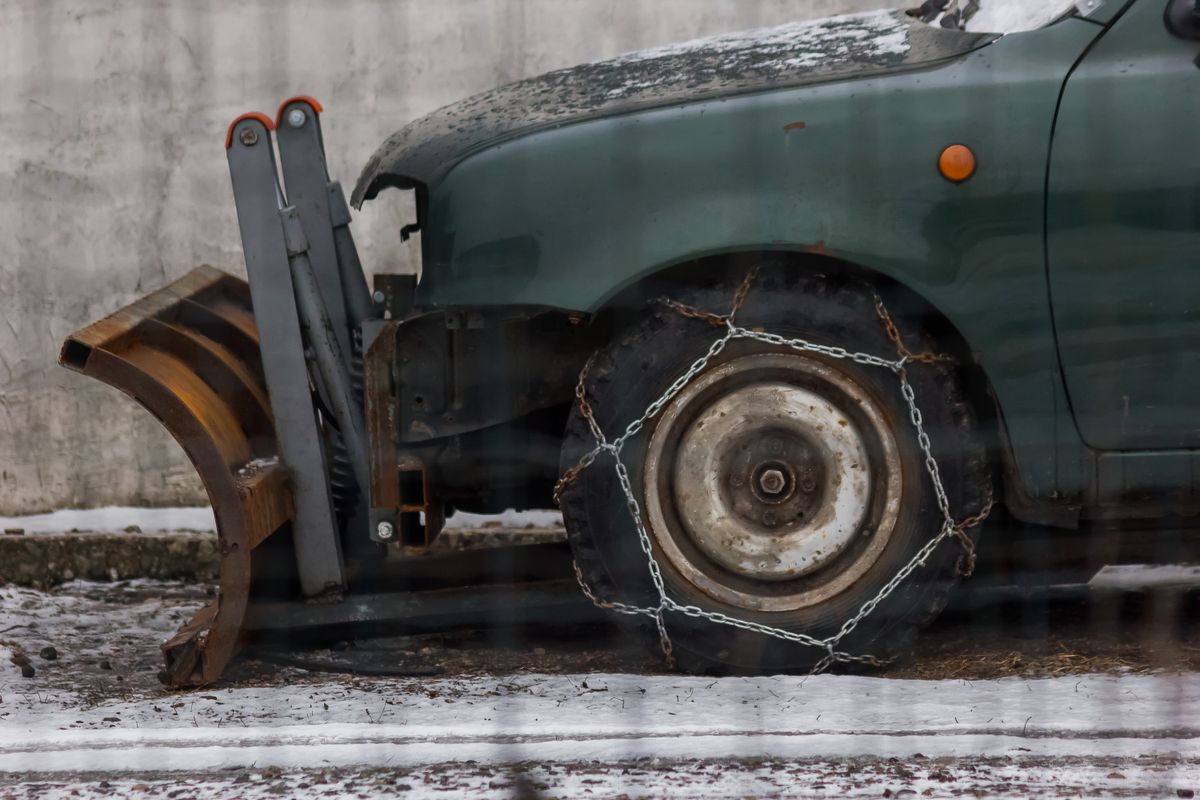
Traditional tire chains are made of interlocking steel links, like a heavy-duty net. They come in different patterns: ladder, diamond, or V-bar. V-bar chains have crossbars with raised bars for extra grip on ice. These are the standard for commercial trucks because they hold up to heavy loads and repeated use.
Price range for truck link chains: $150 to $400 per set, again depending on size and pattern.
Key Differences: Traction, Durability, and Installation
Traction
Link chains dig into snow and ice better than cables. The thicker links create more surface contact and bite. On hard-packed snow or ice, link chains will stop you shorter and pull you up steeper grades. Cable chains are fine for light snow or slush, but they can slip on glare ice.
Durability
Link chains are built to last. A good set can survive several seasons if you maintain them. Cables wear faster, especially if you run them on dry pavement or at highway speeds. The cable can fray or snap under heavy torque. For a loaded semi, link chains are the only real option.
Installation
Cables are easier to put on. They’re lighter and often have a tensioner that tightens them without moving the truck. Link chains require more effort: you have to lay them out, drive onto them, and then hook and tighten. With practice, you can do it in 15 to 20 minutes per tire. Cables might take 10 minutes.
Cost Over Time
Cables are cheaper upfront, but if you have to replace them every season, they cost more in the long run. Link chains last longer, so the per-mile cost is lower.
Comparison Table: Cable vs Link Chains
| Feature | Cable Chains | Link Chains (Standard) | Link Chains (V-Bar) |
|---|---|---|---|
| Price per set (truck size) | $80-$150 | $150-$300 | $250-$400 |
| Weight per set | 15-25 lbs | 30-50 lbs | 35-60 lbs |
| Traction on ice | Fair | Good | Excellent |
| Traction on snow | Good | Excellent | Excellent |
| Durability | Low to moderate | High | High |
| Installation time (per tire) | 10-15 min | 15-25 min | 15-25 min |
| Best for | Light duty, occasional use | Heavy duty, frequent use | Extreme ice, mountain passes |
When to Choose Cable Chains
Cable chains make sense if you drive a light truck or a box van that rarely sees severe winter weather. You might run them a few times a year to get over a pass or through a storm. They’re also easier to store and handle if you have physical limitations. Just know that they won’t save you on hard ice.
When to Choose Link Chains
Link chains are the standard for any truck over 10,000 GVWR, especially if you haul heavy loads. If you run in the Rockies, the Sierras, or any area with chain laws, you need link chains. Many states require link chains for commercial vehicles, not cables. Check your state’s DOT rules before you buy. For example, California requires link chains on all commercial vehicles over 10,000 lbs when chain controls are in effect.
Practical Steps You Can Take This Week
- Check your state’s chain laws. Go to your state DOT website and search for chain requirements. Note the weight limits and whether cables are allowed.
- Measure your tire size. Look at the sidewall for the size, like 11R22.5 or 295/75R22.5. Write it down.
- Decide your usage. If you drive more than 5,000 miles in winter conditions, go with link chains. If less, cables might work.
- Buy from a truck stop or online. Compare prices at places like TA, Pilot, or Amazon. Look for brands like Peerless, Security Chain, or Laclede.
- Practice installing them. Do a dry run in your driveway before you need them on the road. It’s easier to learn when it’s not snowing.
FAQ
Can I use cable chains on a semi-truck?
Technically, some cable chains are rated for heavy trucks, but they’re not recommended for regular use. The torque and weight of a loaded semi will wear them out fast. Stick with link chains for any Class 8 truck.
How do I know what size chains to buy?
Check your tire sidewall for the size, then match it to the chain manufacturer’s chart. Most chains are sold by tire size, not truck model. If you’re between sizes, go with the larger one.
Do I need chains on all tires?
For a truck, you typically need chains on the drive axles. Some states also require chains on the steering axle, but that’s less common. Check local laws. For maximum traction, chain all drive positions.
How long do tire chains last?
With proper use and maintenance, a good set of link chains can last 3 to 5 seasons. Cables might last 1 to 2 seasons. Inspect them for broken links or frayed cables before each use.
The Bottom Line
For most truck drivers, link chains are the safer, more cost-effective choice. They handle the worst winter conditions, last longer, and meet legal requirements. Cable chains are a budget option for light duty, but they’re not a substitute when you’re hauling heavy loads over icy passes. Spend the extra money on link chains, practice installing them, and you’ll be ready for whatever winter throws at you. Check your state laws and tire size before you buy, and you’ll be set for the season.