Auto Tires Good Condition
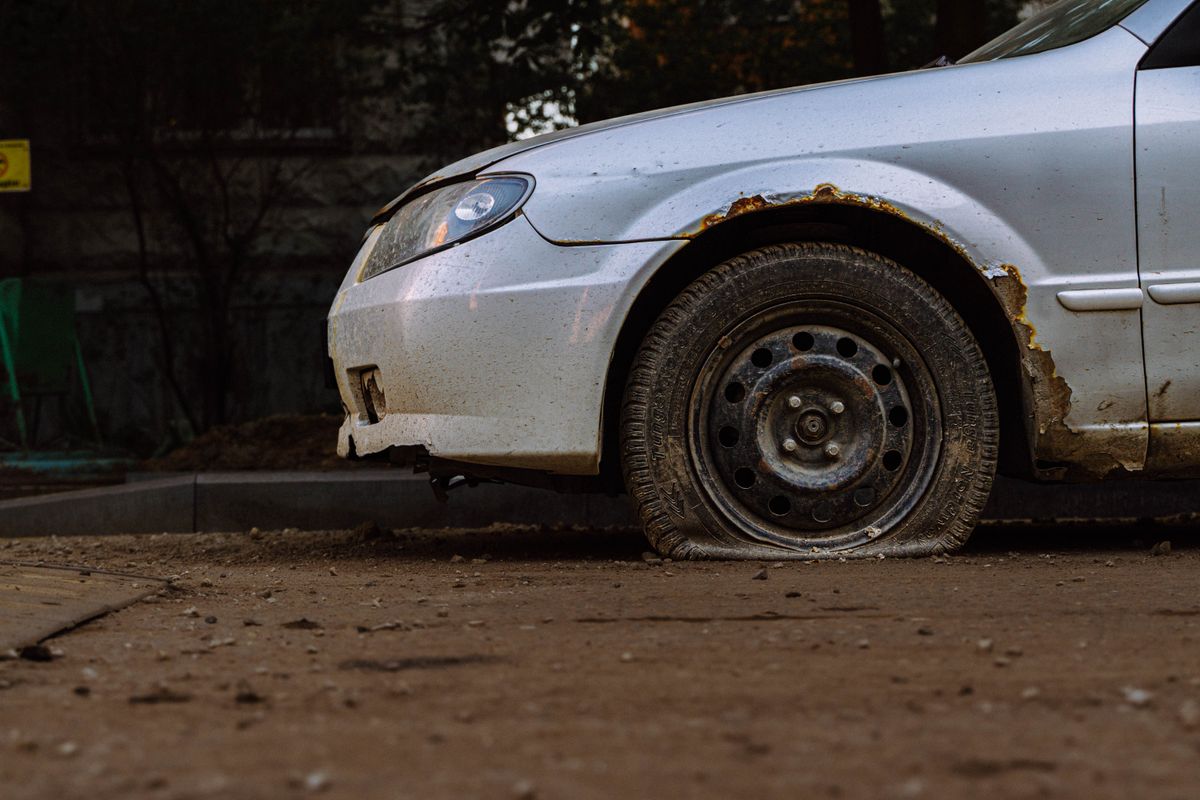
Learn how to check auto tires for good condition, spot wear, and know when to replace. Practical tips for truck drivers.
Auto tires in good condition are the difference between a safe trip and a roadside breakdown. For truck drivers, your personal vehicle or the car you drive to the yard needs the same attention as your rig. This guide covers how to inspect tires, what good condition looks like, and when to replace them. You can do most checks in 10 minutes with a gauge and a flashlight.
What Does “Good Condition” Mean for Auto Tires?
A tire in good condition has at least 2/32 inch of tread depth, no visible cracks or bulges, and holds air within 3 psi of the door sticker pressure. It also has no repairs in the sidewall or patches in the tread that are larger than 1/4 inch. For most passenger cars and light trucks, that means the tire can safely handle wet roads and highway speeds.
Check the sidewall for the DOT code. The last four digits are the week and year of manufacture. For example, 2322 means the 23rd week of 2022. Tires older than six years should be inspected by a professional, even if tread looks fine. Rubber degrades over time, and heat cycles from driving and parking in sun speed that up.
How to Inspect Auto Tires in 10 Minutes
Do this once a month and before any long trip. You need a tire pressure gauge, a tread depth gauge or a penny, and a flashlight.
-
Check pressure when tires are cold. That means the car has sat for at least three hours or driven less than a mile. Use the pressure listed on the driver’s door jamb sticker, not the number molded into the tire sidewall. That sidewall number is the maximum pressure, not the recommended one.
-
Look at the tread. Insert a penny into the tread groove with Lincoln’s head upside down. If you can see the top of his head, tread is below 2/32 inch and the tire is legally worn out. For better wet traction, replace at 4/32 inch. Use a tread depth gauge for exact numbers. New passenger tires come with 10/32 to 12/32 inch.
-
Check for uneven wear. Run your hand across the tread. If the edges are more worn than the center, the tire was underinflated. If the center is more worn, it was overinflated. If one edge is worn more than the other, the alignment is off. Uneven wear means the tire is not in good condition, even if tread depth is fine.
-
Inspect sidewalls and tread for damage. Look for cuts, bulges, cracks, or punctures. A bulge is a sign of internal belt damage. Replace the tire immediately. Cracks in the rubber, often called weather checking, are common on tires over five years old. Small surface cracks are okay, but deep cracks that expose cords are not.
-
Check the spare. Many drivers forget the spare until they need it. Make sure it is inflated to the pressure listed on the spare tire label, usually 60 psi for temporary spares. Check its condition too.
When to Replace Auto Tires
Replace a tire if any of these are true:
- Tread depth is below 2/32 inch in any groove.
- There is a bulge, blister, or separation in the sidewall or tread.
- Cuts or punctures are larger than 1/4 inch or in the sidewall.
- The tire has been repaired more than once or the repair is not a proper plug-patch.
- The tire is older than 10 years, regardless of tread. Most tire manufacturers recommend replacement at 10 years.
If you drive in rain often, replace at 4/32 inch. Hydroplaning risk increases significantly below that. For a car used for commuting on highways, 4/32 is a good rule of thumb.
Tire Pressure and Maintenance Basics
Proper pressure is the cheapest maintenance you can do. Underinflated tires wear faster, reduce fuel economy by up to 3%, and run hotter, which increases blowout risk. Overinflated tires wear the center and reduce traction.
Check pressure at least once a month and before long trips. Use a quality digital gauge. Set pressure to the door sticker value. If you carry heavy loads or tow, add 5 to 10 psi to the rear tires, but never exceed the max pressure on the sidewall.
Rotate tires every 5,000 to 7,500 miles, or as recommended in the owner’s manual. Rotation evens out wear and extends tire life. Most shops charge $20 to $40 for a rotation. If you buy tires from a national chain, rotation is often free for the life of the tire.
Cost of Replacing Auto Tires
Prices vary by tire size, brand, and type. For a typical sedan or light truck, expect to pay:
- Budget tires: $60 to $100 per tire
- Mid-range tires: $100 to $180 per tire
- Premium tires: $180 to $300 per tire
Installation, balancing, and disposal fees add $15 to $30 per tire. A full set of four mid-range tires costs $400 to $700 installed. For a heavy-duty pickup, prices run $150 to $350 per tire. Always buy the best tire you can afford. Cheap tires may save money upfront but wear faster and offer less traction.
FAQ
How often should I check my auto tires?
Check pressure at least once a month and before long trips. Inspect tread and sidewalls visually every time you check pressure. A full inspection with a gauge and penny takes 10 minutes.
Can I repair a tire with a nail in it?
Yes, if the puncture is in the tread area, not the sidewall, and is smaller than 1/4 inch. A proper repair is a plug-patch combination done from the inside. Do not use a string plug alone for a permanent fix. If the tire has been driven on while flat, the internal damage may make it unsafe to repair.
What is the legal minimum tread depth?
In most U.S. states, the legal minimum is 2/32 inch. That is the point where the penny test fails. However, for safety in wet conditions, replace at 4/32 inch. Many tire shops recommend replacement at that point.
Do I need to replace all four tires at once?
For all-wheel-drive vehicles, yes. Different tread depths can damage the drivetrain. For two-wheel-drive cars, you can replace two at a time, but put the new tires on the rear axle. That helps prevent oversteer in wet conditions. Always match the tire type and size to the other tires on the vehicle.
The Bottom Line
Auto tires in good condition are not a luxury. They are a safety item. Check pressure monthly, inspect tread and sidewalls for damage, and replace tires when they hit 4/32 inch or show any sign of structural problems. A $100 tire is cheaper than a tow bill or an accident. Spend 10 minutes this week to check your tires. Your future self, and your load, will thank you.