Auto Tire Pressure Monitoring Systems
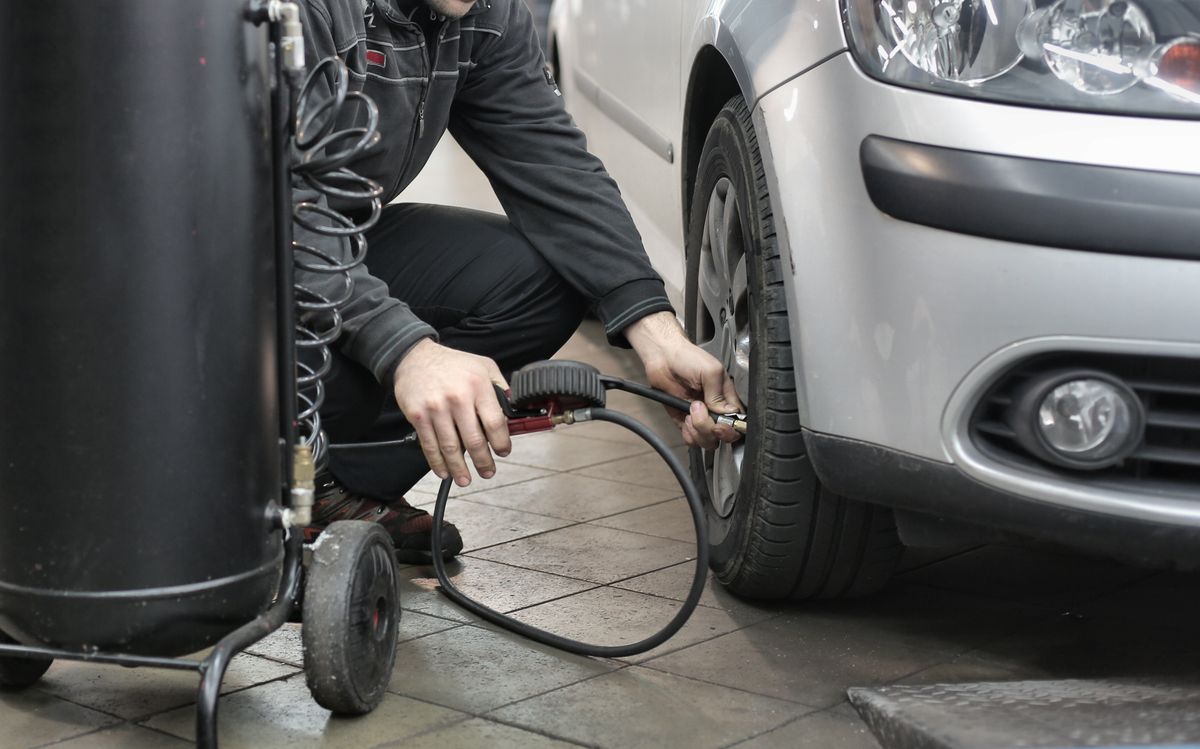
Learn how auto tire pressure monitoring systems (TPMS) work for trucks, their costs, benefits, and how to choose and use one for your rig in 2026.
If you’re wondering whether an auto tire pressure monitoring system (TPMS) is worth it for your truck, the short answer is yes: it can save you thousands in tire costs and prevent blowouts, especially if you run long hauls or haul heavy loads. A TPMS gives you real-time pressure and temperature readings for each tire, alerting you to slow leaks, rapid deflation, or overheating before they become roadside emergencies. In this guide, we’ll cover what TPMS does, what it costs, how to pick one, and how to use it effectively, with practical steps you can take this week.
What Is a TPMS and How Does It Work?
A TPMS is a set of sensors mounted on each wheel (either inside the tire on the rim or on the valve stem) that transmit pressure and temperature data to a display in your cab. The display shows real-time readings and alerts you when pressure drops below a set threshold (usually 10-15% below your target) or when temperature spikes, which often indicates an impending failure.
There are two main types:
- Direct TPMS: Sensors measure actual pressure and temperature. More accurate, more expensive, and more common for trucks.
- Indirect TPMS: Uses wheel speed sensors from ABS to estimate pressure differences. Less accurate, rarely used in commercial trucks.
For trucks, direct systems are the standard. They come in two sensor styles:
- Internal sensors: Mounted inside the tire, replacing the valve stem core. More accurate, less prone to theft or damage, but require tire dismounting to install.
- External sensors: Screw onto the valve stem on the outside. Easier to install (no tire removal), but can be damaged by curbs or debris and are easier to steal.
Why You Need a TPMS: The Cost-Benefit Analysis
Tires are one of your biggest operating costs. A single commercial truck tire can cost $300-$600, and a blowout can cost $1,000 or more in downtime, repairs, and lost freight. Underinflated tires also increase fuel consumption by up to 2-3%, which on a truck getting 6 mpg and running 100,000 miles a year can mean $500-$1,000 extra in fuel annually.
A TPMS helps you:
- Prevent blowouts: Early warning on pressure loss or heat buildup.
- Extend tire life: Proper inflation reduces uneven wear, adding 10-20% to tire lifespan.
- Save fuel: Correct pressure reduces rolling resistance.
- Reduce downtime: Catch leaks before they become flats.
- Improve safety: Fewer tire-related accidents.
Typical payback: if a TPMS costs $500-$1,500 (for a 18-wheeler), it pays for itself in the first year if it prevents even one blowout or saves 5% on tire replacement costs.
Key Features to Look For
When shopping for a TPMS, consider these features:
- Display type: A dedicated monitor or a smartphone app via Bluetooth. Dedicated monitors are more reliable in the cab; apps are cheaper but require your phone.
- Sensor range: For a tractor-trailer, you need a range of at least 50-100 feet to cover all tires. Some systems have a repeater to boost signal.
- Alarm thresholds: Look for adjustable pressure and temperature alerts.
- Battery life: Internal sensors typically last 5-7 years; external sensors 1-2 years. Replacement sensors cost $30-$80 each.
- Number of sensors: You need one per tire, so a 18-wheeler needs 18 sensors (or 10 if you only monitor the tractor, but that’s not recommended).
- Durability: Sensors must withstand heat, vibration, and weather.
How to Choose the Right System for Your Rig
Follow these steps to pick a TPMS:
- Determine your tire count: Count all tires on your truck and trailer. For a standard 5-axle tractor-trailer, that’s 18 tires (steer, drive, trailer).
- Decide on sensor type: If you own your trailer and can dismount tires, internal sensors are better. If you’re a company driver or lease, external sensors are easier to install and transfer.
- Check compatibility: Ensure the system supports your tire pressure range (typically 80-120 psi for trucks).
- Read reviews: Look for feedback from truckers on reliability, especially in harsh conditions.
- Set a budget: Basic systems for a 10-tire setup start around $200-$400; 18-tire systems run $500-$1,500. Premium brands like TireMinder, PressurePro, and Doran cost more but offer better support.
Installation and Setup: What to Expect
External sensors: You can install these yourself in about 30 minutes. Just screw them onto the valve stems, pair them with the monitor, and set your target pressure. No special tools needed.
Internal sensors: This requires a tire shop to mount them inside the tire. Cost is typically $20-$40 per tire for labor, plus the sensor cost. If you’re buying new tires, ask the shop to install sensors at the same time.
After installation, you’ll need to:
- Set your cold tire pressure (check the sidewall or manufacturer specs).
- Set alarm thresholds (e.g., alert if pressure drops below 90 psi or rises above 120 psi).
- Test the system by letting air out of one tire to see if the alarm triggers.
Using Your TPMS: Best Practices
Once installed, use these practices to get the most out of your TPMS:
- Check readings daily: Before starting, glance at the monitor to ensure all tires are within range.
- Investigate alerts immediately: If a tire shows low pressure or high temperature, stop and check it. Don’t wait.
- Keep sensors clean: External sensors can get clogged with dirt; clean them with a brush.
- Replace batteries as needed: Monitor battery life and replace sensors before they die.
- Calibrate after tire changes: If you rotate tires or change pressures, update the system.
Cost Breakdown: What You’ll Pay in 2026
Here’s a realistic cost table for TPMS options (prices are estimates for 2026):
| System Type | Sensor Count | Price Range | Installation Cost | Notes |
|---|---|---|---|---|
| External, basic (10 sensors) | 10 | $200-$400 | $0 (DIY) | Good for tractor-only monitoring |
| External, full (18 sensors) | 18 | $400-$800 | $0 (DIY) | Covers tractor and trailer |
| Internal, full (18 sensors) | 18 | $800-$1,500 | $300-$700 (shop labor) | More accurate, longer battery |
| Premium brand (e.g., TireMinder) | 18 | $1,200-$2,000 | $0-$700 | Advanced features, better durability |
Ongoing costs: replacement sensors ($30-$80 each), batteries (if replaceable), and occasional recalibration.
FAQ
Q: Can I use a TPMS on a trailer that I don’t own? A: Yes, but you’ll need to install sensors on the trailer tires. External sensors are easier to remove if you switch trailers. Some systems allow you to monitor multiple trailers with separate sensor sets.
Q: How often do I need to replace TPMS sensors? A: Internal sensors typically last 5-7 years; external sensors 1-2 years. Battery life varies by brand and usage. Replace them when they stop transmitting or show low battery.
Q: Will a TPMS work with dual tires on a drive axle? A: Yes, but you need a sensor for each tire. Some systems have special sensors for duals that are shorter to fit between tires. Make sure the system you choose supports duals.
Q: Is a TPMS required by law? A: For commercial trucks, TPMS is not federally mandated in the U.S. as of 2026, but some fleets require it. However, it’s a best practice for safety and cost savings.
The Bottom Line
An auto tire pressure monitoring system is a smart investment for any truck driver or small fleet owner. It gives you real-time data to prevent blowouts, extend tire life, and save fuel, with a payback period of under a year in most cases. Choose a system that fits your tire count and budget, install it correctly, and use it daily. Start by researching systems online, reading trucker forums, and getting quotes from tire shops. If you’re on a tight budget, an external sensor system for your tractor alone is a good starting point. Don’t wait for a blowout to make the decision; the cost of a TPMS is far less than the cost of a roadside breakdown.