All Wheel Drive Tire Replacement Requirements
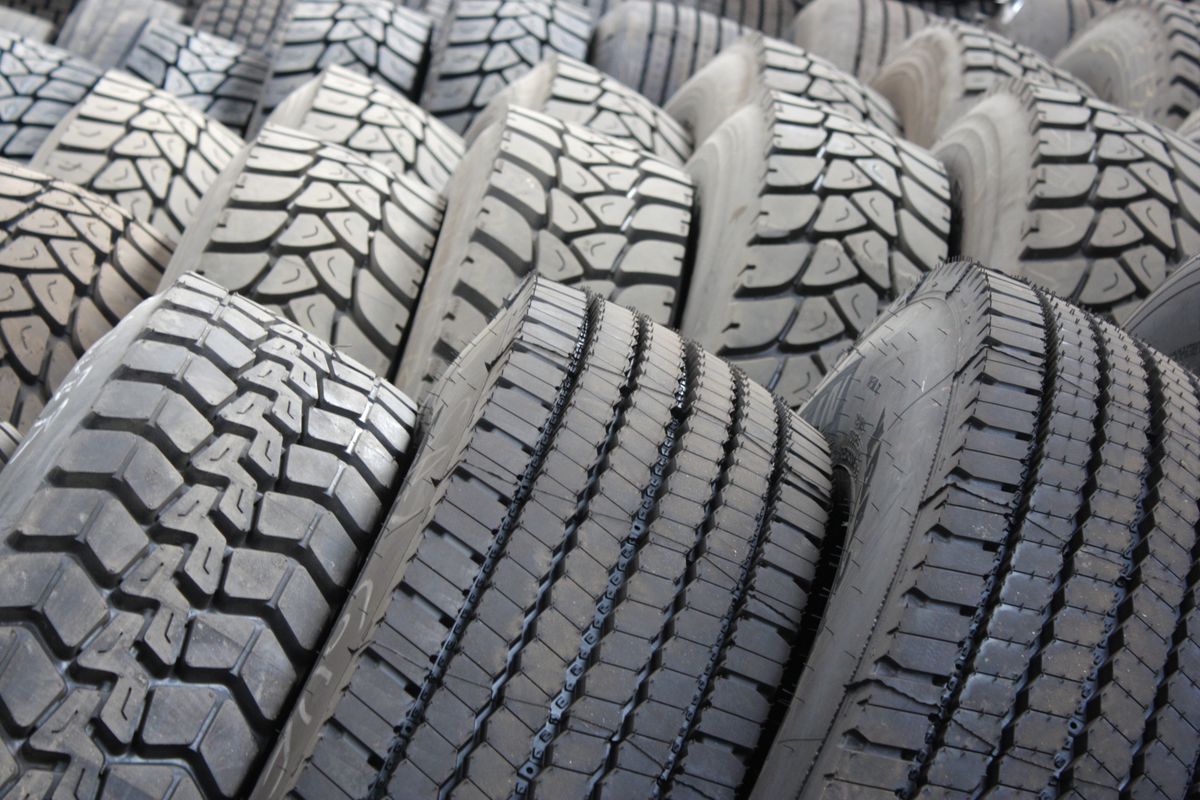
Learn the rules and practical steps for replacing tires on AWD trucks, including matching, depth, and cost considerations for 2026.
If you drive an all-wheel drive (AWD) truck, replacing tires isn’t as simple as swapping out one worn tire. AWD systems require all four tires to have nearly identical rolling diameters to avoid damaging the transfer case or differentials. This guide covers the requirements, costs, and steps to replace tires on your AWD truck correctly.
Why AWD Tire Matching Matters
AWD systems send power to all four wheels, and the vehicle’s computer and mechanical differentials rely on all tires rotating at the same speed. If one tire has a significantly smaller diameter due to wear or a different size, it spins faster than the others. Over time, this causes excessive heat and stress on the drivetrain, leading to premature failure of the transfer case, differentials, or axles. Replacement costs for these components can range from $1,500 to $4,000 or more, far exceeding the cost of a new tire.
The 2/32-Inch Rule and Tread Depth
Most manufacturers recommend replacing all four tires when the tread depth difference between any tire exceeds 2/32 of an inch. This is the industry standard for AWD vehicles. For example, if your front tires have 8/32 and your rears have 5/32, the difference is 3/32, which is too much. You should replace all four tires at that point.
To measure tread depth, use a penny test: insert a penny into the tread with Lincoln’s head upside down. If you can see the top of Lincoln’s head, your tread is below 2/32 and the tire is worn out. For a more precise reading, use a tread depth gauge, available at auto parts stores for $5 to $15.
When You Can Replace Just One or Two Tires
In some cases, you can replace fewer than four tires, but only if the remaining tires have at least 5/32 of tread depth and are within 2/32 of the new tire’s depth. This is rare, as most tires wear unevenly. If you have a brand-new tire (10/32 to 12/32) and the other three are at 6/32, the difference is 4/32, which is too much. You’d need to replace all four.
If you must replace only two, put the new tires on the rear axle. This maintains better stability and reduces the risk of oversteer, especially in wet or slippery conditions. However, check your owner’s manual, as some manufacturers require all four replaced regardless of tread depth.
Tire Size and Speed Rating Requirements
All four tires must be the same size, brand, and model. Mixing brands or models can cause slight differences in diameter, even if the size is the same. Also, the speed rating must match or exceed the original equipment rating. For example, if your truck came with H-rated tires (130 mph), don’t install V-rated (149 mph) or lower-rated tires, as this affects handling and safety. Check the sidewall for the speed rating letter.
Cost of Replacing AWD Tires
A full set of four tires for a typical AWD truck ranges from $600 to $1,200 for all-season tires, and $800 to $1,500 for all-terrain tires. Premium brands like Michelin or Bridgestone cost more, while budget brands like Nexen or Hankook are cheaper. Installation, balancing, and disposal fees add $60 to $120 total. If you need a new TPMS sensor, add $50 to $100 per wheel.
Steps to Replace Your AWD Tires
- Check tread depth on all four tires using a gauge. Record the measurements.
- Compare depths. If any tire differs by more than 2/32 from the others, plan to replace all four.
- Choose the right tire. Match the size, load index, and speed rating from your owner’s manual or the driver’s door jamb sticker.
- Purchase tires. Order from a local shop or online retailer. Consider current rebates, which can save $50 to $100 on a set.
- Install and balance. Have a professional mount and balance all four tires. Ask for a road force balance if you notice vibration.
- Reset TPMS. If your truck has tire pressure monitoring, the sensors may need reprogramming after installation. This is often included in the installation fee.
- Rotate tires every 5,000 to 7,500 miles to ensure even wear and prolong tire life.
Maintenance Tips to Extend Tire Life
- Check tire pressure monthly, including the spare. Underinflation causes uneven wear and reduces fuel economy.
- Rotate tires on schedule, as recommended in your owner’s manual (usually every 5,000 to 7,500 miles).
- Align your wheels if you notice uneven wear or the truck pulls to one side. Alignment costs $75 to $150.
- Avoid overloading your truck beyond its payload rating, as this stresses tires and drivetrain.
FAQ
Q: Can I replace just one tire if it’s damaged? A: Only if the other three tires have at least 5/32 tread depth and are within 2/32 of the new tire. Otherwise, replace all four to protect the AWD system.
Q: What happens if I don’t replace all four? A: You risk damaging the transfer case or differentials, which can cost $1,500 to $4,000 to repair. The vehicle may also handle poorly, especially in rain or snow.
Q: Do I need to replace tires in pairs or all four? A: For AWD, all four is the safe standard. Some manufacturers allow two if the tread difference is within spec, but it’s rare. Check your owner’s manual.
Q: How often should I replace AWD tires? A: Typically every 40,000 to 60,000 miles, depending on driving habits and tire quality. Replace when tread depth reaches 2/32 or when the difference between tires exceeds 2/32.
The Bottom Line
For AWD trucks, tire replacement requirements are strict: all four tires must match in size, brand, and tread depth within 2/32 of an inch. Replacing all four at once is the safest and most cost-effective way to avoid drivetrain damage. Budget $600 to $1,500 for a full set, and follow regular maintenance to maximize tire life. If you’re unsure, consult your owner’s manual or a trusted tire professional before making a decision.