Fifth Wheel vs Class a
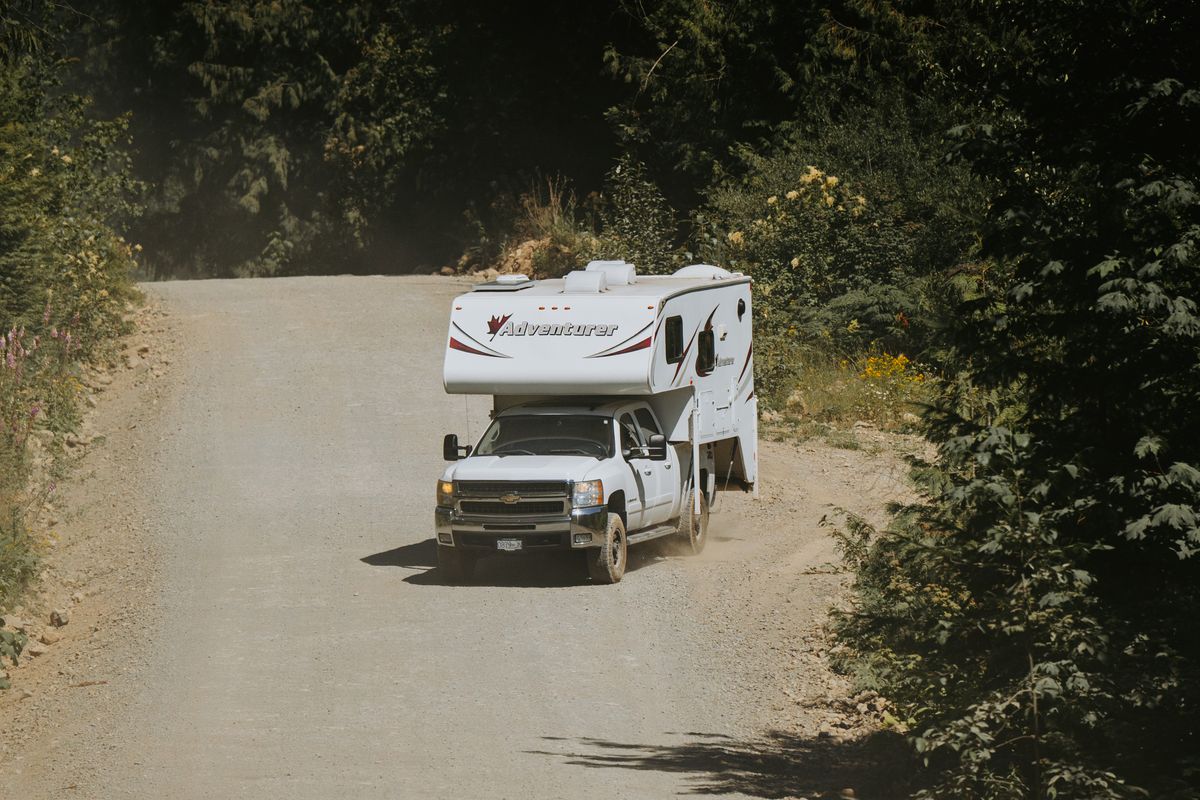
Compare fifth wheel and Class A RVs for full-time living: costs, towing, maintenance, and which fits your lifestyle in 2026.
If you’re trying to decide between a fifth wheel trailer and a Class A motorhome, the short answer is: it depends on whether you want to tow a separate vehicle or drive everything as one unit. Fifth wheels offer more living space per dollar and are cheaper to maintain, but they require a heavy-duty pickup truck. Class A motorhomes are easier to drive and set up, but they cost more upfront and have higher ongoing expenses. This guide breaks down the real numbers and trade-offs so you can pick the right setup for your budget and travel style.
Cost Comparison: Fifth Wheel vs Class A
Prices vary widely by brand, age, and condition, but here are realistic 2026 ranges for new and used units.
| Item | Fifth Wheel | Class A Motorhome |
|---|---|---|
| New purchase price | $35,000-$90,000 | $100,000-$300,000+ |
| Used purchase price | $15,000-$50,000 | $40,000-$150,000 |
| Towing vehicle cost | $45,000-$75,000 (new 3/4 or 1-ton truck) | Included in price |
| Monthly insurance | $80-$150 | $150-$300 |
| Annual maintenance | $500-$1,500 | $1,500-$4,000 |
| Fuel cost per 1,000 miles | $400-$600 (truck only) | $700-$1,200 |
Note: A fifth wheel requires a pickup with a payload capacity of at least 2,500 pounds for most models. If you don’t already own a suitable truck, add that cost to your total.
Living Space and Layout
Fifth wheels typically have more usable square footage per dollar. They feature a raised bedroom over the hitch area, which gives you a separate sleeping space without sacrificing living room or kitchen size. Ceiling heights are often 8 feet or more, and many models include residential furniture and large slide-outs. A 35-foot fifth wheel can feel as spacious as a 40-foot Class A.
Class A motorhomes have a more open floor plan because there’s no truck bed in front. You get a continuous living space from the driver’s seat to the rear. However, the cockpit area takes up space that could be living area in a fifth wheel. Storage is usually better in a Class A, especially for items you need while driving, like food and clothing.
Towing and Driving Experience
Fifth wheels are towed by a pickup truck. You need a gooseneck or fifth wheel hitch installed in the truck bed, which costs $500-$1,500 for the hitch and installation. Once hooked up, the fifth wheel tracks well and is stable at highway speeds. But you must account for the combined length: a 35-foot trailer plus an 8-foot truck bed means you’re over 40 feet long. Backing up requires practice, and you can’t access the trailer while driving.
Class A motorhomes are self-contained. You drive the living space, so passengers can use the bathroom or make lunch while you’re on the road. They have larger windshields and better visibility, but the hood is long and you sit high. Parking a 35-foot Class A is similar to driving a bus. Many owners tow a small car behind the motorhome, which adds another $2,000-$5,000 for a tow dolly or flat tow setup.
Setup and Camping Convenience
Fifth wheels require you to back into a campsite, level the trailer, then disconnect the truck. You need to extend stabilizer jacks, connect utilities, and set up the hitch. This takes 15-30 minutes. When you want to explore the area, you must either break down the trailer or have a separate vehicle.
Class A motorhomes are easier to level: you just push a button for automatic leveling jacks. You can leave the motorhome parked and use a toad (towed car) to run errands. Setup takes 5-10 minutes. However, you need to keep the engine and generator maintained, and you can’t simply drop the living unit and drive away.
Maintenance and Repairs
Fifth wheels have fewer mechanical systems. You maintain the trailer’s brakes, tires, and suspension, but the engine and drivetrain belong to the truck, which you can use independently. Annual maintenance is mostly seals, roof coating, and appliance checks. Repairs are often cheaper because you can take the trailer to a shop without moving your living space.
Class A motorhomes have a full engine, transmission, and chassis that need regular servicing. Oil changes, air filters, and brake checks are more expensive due to the size. You also have a generator, which needs annual service. If the motorhome breaks down, you lose your living space while it’s in the shop. Some owners buy a separate vehicle to avoid this, but that adds cost.
Insurance and Financing
Insurance for a fifth wheel is cheaper because it’s a trailer, not a motor vehicle. You can often bundle it with your truck policy. A Class A is a motorhome, so it’s insured as a vehicle, which includes liability and comprehensive coverage. Expect to pay 50-100% more for insurance on a Class A.
Financing differs too. Fifth wheels are often financed as recreational vehicles with terms up to 20 years. Class A motorhomes are also financed as RVs, but the higher price means higher monthly payments. Interest rates in 2026 are around 6-9% for both, depending on credit.
Which Should You Choose?
Choose a fifth wheel if you already own a heavy-duty truck, want more space for less money, and don’t mind the setup process. It’s also better if you plan to stay in one place for weeks at a time and use the truck for daily driving.
Choose a Class A if you want the easiest driving experience, plan to travel frequently, and can afford the higher purchase price and maintenance. It’s ideal if you want to bring a car along without towing a trailer, and if you prefer a more integrated living space.
FAQ
Can I tow a fifth wheel with a half-ton truck?
Most fifth wheels weigh 10,000-15,000 pounds, which exceeds the payload and towing capacity of a half-ton truck. You need a 3/4-ton (like a Ford F-250) or 1-ton (F-350) truck. Always check the truck’s payload sticker and the trailer’s GVWR.
Do I need a special license to drive a Class A motorhome?
In most states, a standard driver’s license is enough for a Class A under 26,000 pounds GVWR. Some states require a non-commercial Class B license for heavier units. Check your state’s DMV rules.
Is a fifth wheel easier to back up than a Class A?
No. A fifth wheel has a pivot point over the truck’s rear axle, which makes backing more precise but still requires practice. A Class A is like backing a large van; you use the mirrors and steer the front wheels. Both take time to learn.
What’s the resale value like?
Fifth wheels depreciate slower than Class A motorhomes, especially if you maintain them well. Class A motorhomes lose value faster because they have more mechanical components that age. After 5 years, a fifth wheel might retain 60-70% of its value, while a Class A might retain 50-60%.
The Bottom Line
Your choice comes down to budget and lifestyle. If you want the most living space for the least money and don’t mind a truck, go with a fifth wheel. If you want a simpler driving experience and can handle higher costs, a Class A is worth it. Before buying, rent both types for a weekend to see what feels right. That $300-$500 rental fee is the cheapest insurance you’ll ever buy.