Add Fifth Wheel to Truck
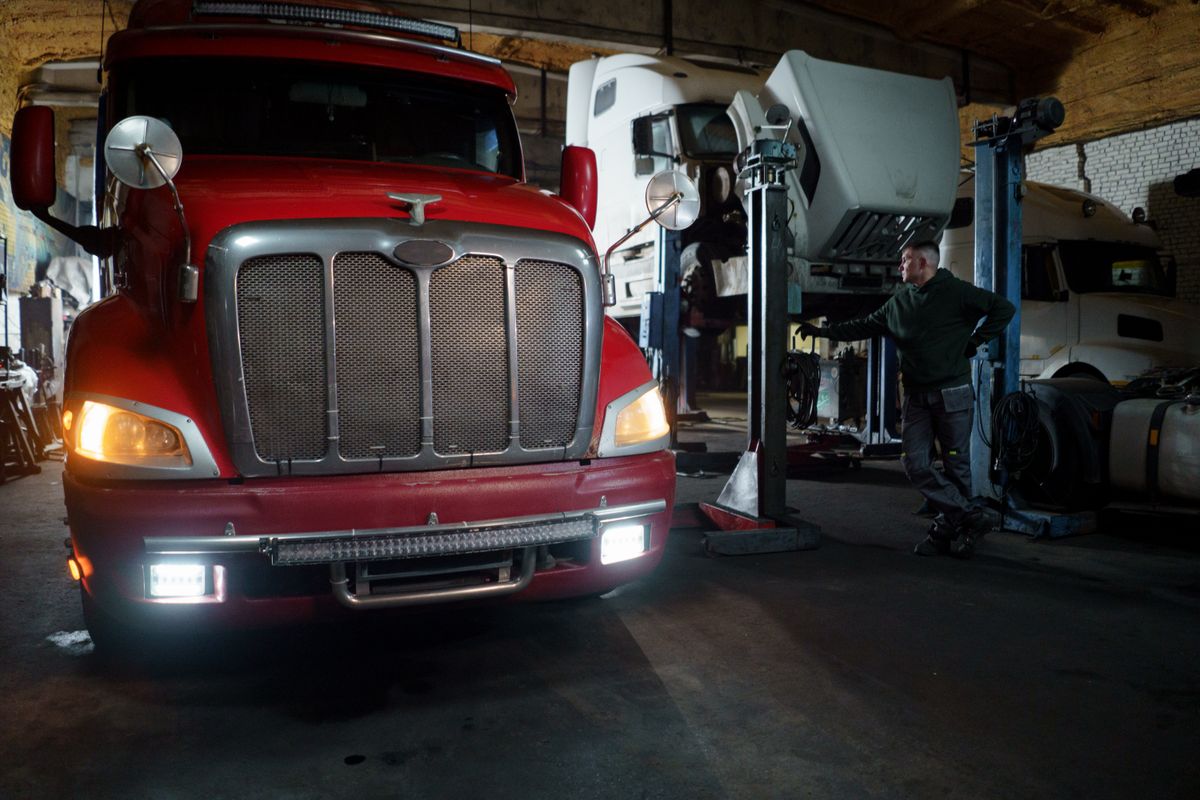
Learn how to add a fifth wheel to your truck: costs, types, installation steps, and legal tips for 2026.
Adding a fifth wheel to your truck turns a standard pickup or medium-duty truck into a capable tow rig for a gooseneck or fifth wheel trailer. This guide covers the practical steps, costs, and considerations for 2026, so you can make an informed decision and get the job done right.
Why Add a Fifth Wheel?
A fifth wheel hitch distributes weight more evenly than a bumper pull, improving stability and handling. It also allows for a tighter turning radius, which is critical for maneuvering in tight spaces. For owner-operators or small fleet owners, adding a fifth wheel can expand your trailer options, from RVs to flatbeds, without buying a new truck.
Types of Fifth Wheel Hitches
There are three main types: fixed, sliding, and gooseneck adapters. Fixed hitches are the most common and affordable, but they limit bed space when not towing. Sliding hitches let you move the hitch backward to increase clearance in tight turns, ideal for short beds. Gooseneck adapters convert a gooseneck ball to a fifth wheel, but they sit higher and may affect clearance.
| Type | Best For | Price Range (2026) |
|---|---|---|
| Fixed | Long bed trucks, occasional towing | $250-$600 |
| Sliding | Short bed trucks, frequent towing | $600-$1,200 |
| Gooseneck adapter | Existing gooseneck installation | $200-$400 |
Installation Steps
Installing a fifth wheel hitch is a DIY project for many, but it requires careful measurement and torque specs. Here are the steps:
- Choose the right hitch: Match the hitch to your truck’s make, model, and bed length. Check the Gross Vehicle Weight Rating (GVWR) of your truck and the hitch’s capacity.
- Gather tools: You’ll need a socket set, torque wrench, drill (if no pre-drilled holes), and safety glasses.
- Position the hitch: Center the hitch over the rear axle, typically 1-2 inches forward of the axle centerline. Use the manufacturer’s template to mark bolt holes.
- Drill and mount: Drill holes if needed, then bolt the hitch to the frame using the included hardware. Torque bolts to spec (usually 150-200 ft-lbs).
- Test fit: Attach the trailer and check clearance. Make sure the trailer doesn’t hit the cab when turning.
If you’re not comfortable with drilling or torque specs, a professional install costs $200-$500 for labor.
Cost Breakdown
Beyond the hitch itself, factor in installation, wiring, and potential frame reinforcement. Here’s a realistic 2026 budget:
- Hitch: $250-$1,200
- Installation (if professional): $200-$500
- Wiring harness (if not already present): $50-$150
- Frame reinforcement (for heavy-duty use): $300-$800
- Total: $550-$2,650
Most owner-operators spend $800-$1,500 for a quality fixed hitch installed.
Legal and Safety Considerations
Before you add a fifth wheel, check your truck’s payload and towing capacity. Exceeding these ratings is illegal and dangerous. Also, verify that your truck’s frame is rated for a fifth wheel hitch; some light-duty trucks need a reinforcement kit. In 2026, DOT rules require proper safety chains and breakaway brakes for trailers over 3,000 lbs. Always consult your truck’s owner’s manual and the hitch manufacturer’s instructions.
Maintenance Tips
Once installed, maintain your fifth wheel to ensure safety and longevity:
- Grease the hitch plate and jaw every 3,000 miles or monthly.
- Inspect bolts for torque after the first 500 miles, then annually.
- Check for wear on the locking mechanism and replace if worn.
- Clean the hitch plate to prevent rust and ensure smooth coupling.
FAQ
Can I install a fifth wheel on any truck? No. The truck must have a frame strong enough and a bed long enough. Check your GVWR and the hitch’s capacity. Light-duty trucks often need a reinforcement kit.
How long does installation take? DIY installation takes 2-4 hours for a fixed hitch, longer if drilling is required. Professional installs usually take 1-2 hours.
Do I need a CDL to tow a fifth wheel? Not always. For recreational use, a standard driver’s license may suffice if the combined weight is under your state’s threshold. For commercial use, a CDL is required if the vehicle or trailer exceeds 26,001 lbs combined. Check your state’s rules.
Can I use a fifth wheel with a short bed truck? Yes, but you’ll likely need a sliding hitch to prevent cab contact during sharp turns. Measure your bed length and consult the hitch manufacturer.
The Bottom Line
Adding a fifth wheel to your truck is a practical upgrade that expands your towing capabilities. With a budget of $550-$2,650, you can get a reliable setup that lasts for years. Always prioritize safety: verify ratings, follow installation instructions, and maintain the hitch regularly. If you’re unsure, a professional install is worth the peace of mind. Start by measuring your truck and researching hitches that match your trailer’s weight and your driving needs.