Best Pre Trip Inspection CDL
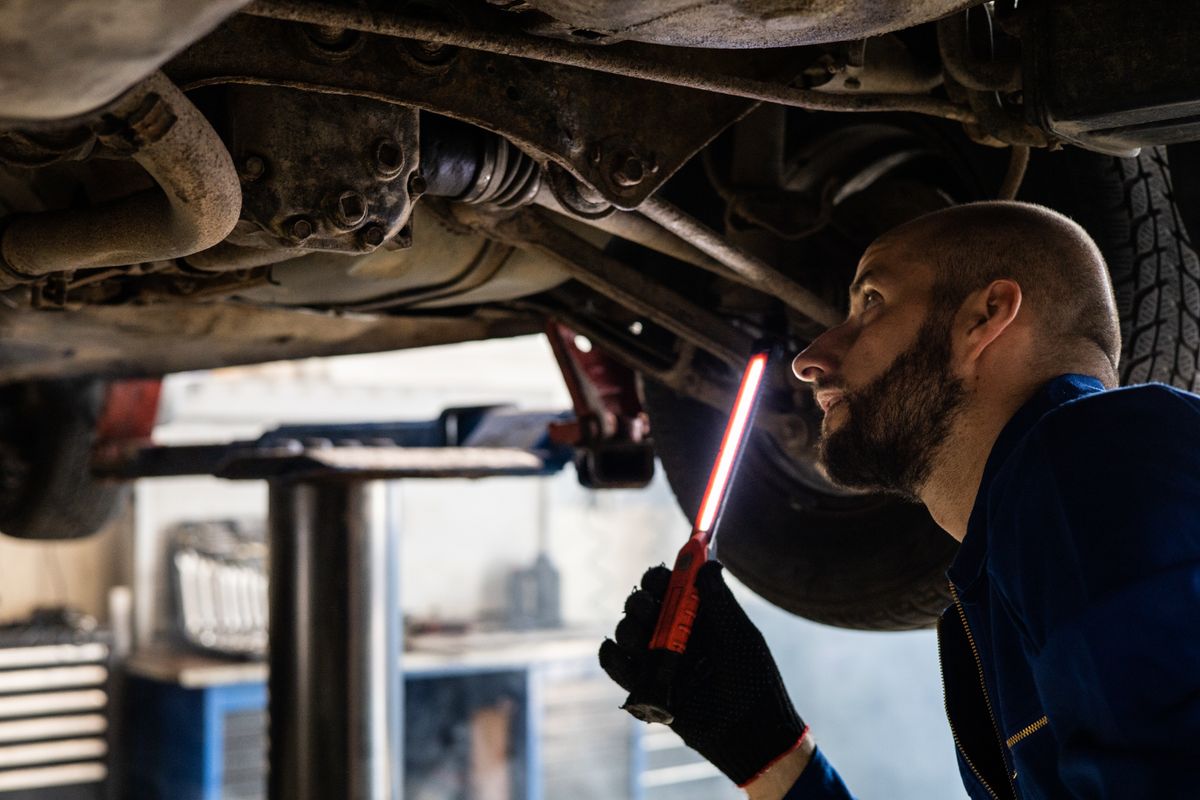
Discover the best pre-trip inspection routine for CDL drivers. Step-by-step guide, common mistakes, and tips to pass your test and stay safe.
A proper pre-trip inspection is the backbone of safe driving and a required skill for every CDL holder. Whether you’re preparing for your CDL skills test or you’re a seasoned driver, a thorough pre-trip inspection prevents breakdowns, avoids violations, and can save you thousands in repairs. This guide breaks down the best pre-trip inspection routine, covering the essential steps, common pitfalls, and how to make it a habit.
Why a Pre-Trip Inspection Matters
A pre-trip inspection is not just a formality. It’s a legal requirement under FMCSA regulations. In 2026, the rules still require drivers to inspect their vehicle before each trip, and failing to do so can result in fines, out-of-service orders, and even accidents. For new drivers, the pre-trip is a major part of the CDL skills test. For experienced drivers, it’s a daily ritual that protects your livelihood.
The Best Pre-Trip Inspection Routine: A Step-by-Step Guide
Here’s a systematic approach that covers everything. Start at the front and work your way around the vehicle, then do the in-cab checks.
1. Approach and Vehicle Overview
- Walk around the entire vehicle, looking for obvious issues: leaks, damage, or objects under the truck.
- Check the area around the truck for hazards.
- Look for any fluid leaks on the ground (oil, coolant, fuel).
2. Front of the Vehicle
- Lights and Reflectors: Check headlights, turn signals, and clearance lights. Ensure they’re clean and working.
- Windshield and Wipers: Look for cracks or chips. Test wipers for proper operation.
- Hood Latch: Ensure the hood is securely latched.
- Engine Compartment (if accessible): Check oil level, coolant level, and belts. Look for leaks.
3. Driver’s Side of the Vehicle
- Mirrors: Check for cracks, proper adjustment, and cleanliness.
- Fuel Tank: Verify the fuel level and check for leaks or damage.
- Tires: Inspect for proper inflation (use a gauge if possible), tread depth (at least 4/32 inch on steer tires), and any cuts or bulges.
- Wheels and Rims: Look for cracks, missing lug nuts, or rust.
- Suspension: Check for broken springs or air leaks.
4. Rear of the Vehicle (Trailer or Box)
- Lights and Reflectors: Check tail lights, brake lights, turn signals, and reflectors.
- License Plate: Ensure it’s visible and secure.
- Rear Door: Check for proper closure and locking.
- Coupling (if towing): If you’re pulling a trailer, check the fifth wheel or pintle hook, air lines, and electrical connections.
5. Passenger Side of the Vehicle
- Repeat the same checks as the driver’s side: tires, wheels, suspension, lights.
- Check the battery box if accessible.
- Look for any loose or hanging parts.
6. In-Cab Checks
- Seat Belt: Ensure it works and is not frayed.
- Mirrors: Adjust for proper visibility.
- Dashboard Gauges: Check fuel, oil pressure, air pressure, and temperature.
- Brakes: Test the service brake and parking brake.
- Steering: Check for excessive play.
- Horn: Test it.
- Windshield Wipers and Washer: Test.
- Emergency Equipment: Verify you have triangles, fire extinguisher, and spare fuses.
7. Final Walk-Around
- Do a final loop to ensure nothing has changed.
- Check that all lights are working (use a helper or use the reflection in a window).
Common Mistakes to Avoid
- Rushing: Don’t skip steps. A thorough inspection takes 15-20 minutes.
- Ignoring Small Issues: A small leak today can become a major breakdown tomorrow.
- Not Using a Checklist: Use a printed or digital checklist to stay consistent.
- Forgetting the In-Cab Checks: Many drivers focus only on the exterior.
- Not Documenting: If you find an issue, note it in your DVIR (Driver Vehicle Inspection Report).
How to Pass the CDL Pre-Trip Test
If you’re taking the CDL skills test, here’s what examiners look for:
- Thoroughness: Cover all major components.
- Proper Terminology: Use correct names for parts (e.g., “steering axle” not “front wheels”).
- Demonstrate Function: Actually check lights, brakes, etc.
- Confidence: Practice until you can do it without hesitation.
Consider taking a practice test with a friend or instructor. Many schools offer mock tests.
Tools and Apps to Help
- Paper Checklists: Free from FMCSA or your company.
- Mobile Apps: Apps like “Pre-Trip Inspection” or “DVIR” can guide you and store records. Prices range from free to $10-$20 one-time.
- TPMS (Tire Pressure Monitoring System): If your truck has it, use it. If not, a portable gauge costs $10-$30.
FAQ
How long should a pre-trip inspection take?
A thorough inspection takes 15-20 minutes for a new driver, but experienced drivers can do it in 10-15 minutes. Never rush it.
Do I need to do a pre-trip every day?
Yes, FMCSA requires a pre-trip before each trip. Even if you drove the same truck yesterday, you must inspect it again.
What happens if I find a problem during pre-trip?
If it’s a safety defect, you must fix it before driving. If it’s minor, you can note it on your DVIR and drive, but it’s best to fix it as soon as possible.
Can I use a smartphone app for my pre-trip?
Yes, apps are allowed as long as they don’t distract you. Many drivers use them to record their DVIR.
The Bottom Line
The best pre-trip inspection is one that you do consistently and thoroughly. It’s not just about passing a test; it’s about protecting yourself, your cargo, and everyone on the road. Use a checklist, take your time, and fix issues before they become problems. Make it a habit, and you’ll be a safer, more professional driver.