Quicken Quick Pay vs Check Pay
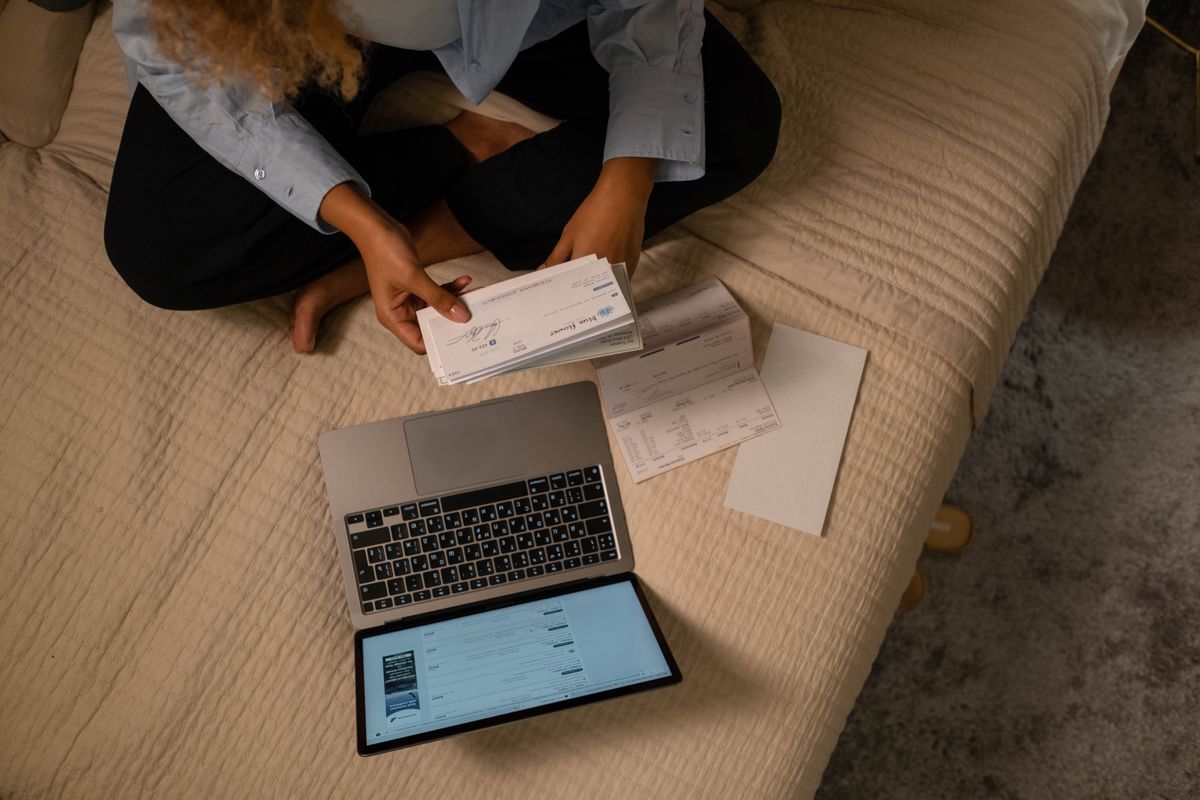
Compare Quicken Quick Pay and check pay for trucking: costs, speed, security, and practical steps to choose the best option for your business.
When you’re running a small fleet or driving as an owner-operator, getting paid for your loads is the lifeblood of your operation. Two common methods are Quicken Quick Pay (a fast, electronic payment option) and traditional check pay. This guide compares them directly: speed, cost, security, and what works best for your cash flow. By the end, you’ll know which one fits your situation and how to set it up this week.
What Is Quicken Quick Pay?
Quicken Quick Pay is a service offered by Quicken (the personal finance software company) that allows businesses to send and receive payments electronically. In trucking, it’s often used by factoring companies or brokers to fund invoices quickly. Instead of waiting for a check to arrive in the mail and clear, you get funds deposited directly into your bank account, sometimes within hours or a day.
Key features:
- Electronic transfer to your checking or savings account
- Typically faster than a paper check
- Can be integrated with accounting software like QuickBooks
- May have fees per transaction or a monthly subscription
What Is Check Pay?
Check pay is the traditional method: a broker or factoring company mails you a paper check for your settled loads. You then deposit it at your bank, and the funds become available after the bank clears it, which can take 1 to 2 business days (or longer for large amounts).
Key features:
- No electronic setup required
- No transaction fees (unless your bank charges for deposits)
- Slower: mail time plus bank clearing time
- Risk of loss or theft in the mail
Cost Comparison: Quick Pay vs Check Pay
Costs vary by provider, but here are realistic 2026 figures:
- Quicken Quick Pay: $10 to $30 per transaction, or a monthly subscription of $20 to $50. Some factoring companies bundle it free with their services.
- Check Pay: Usually free, but you might pay a small fee if you use a check-cashing service (1% to 3% of the check amount). Your bank may also charge a fee for depositing a check if you don’t have a minimum balance.
For a typical load of $2,000, a quick pay fee of $20 is 1% of the load. That’s a real cost, but it might be worth it if you need cash immediately to cover fuel or repairs.
Speed and Cash Flow
Speed is the biggest difference. Here’s a typical timeline:
- Quicken Quick Pay: Funds available within 24 hours, sometimes same-day if initiated before a cutoff time (e.g., 2 PM EST).
- Check Pay: 3 to 7 business days total: 1 to 3 days for mail, plus 1 to 2 days for bank clearing. If the check is lost or delayed, add more time.
For an owner-operator running on thin margins, waiting a week for a check can stall your operation. Quick pay gives you immediate working capital, which can be critical when you need to pay for fuel, repairs, or your own bills.
Security and Reliability
- Quick Pay: Electronic transfers are encrypted and traceable. You get a confirmation number, and funds are less likely to be lost. However, you need to trust the provider with your bank details.
- Check Pay: Paper checks can be lost, stolen, or forged. You have to physically deposit them, and if a check bounces, you’re out the money and time. Some brokers have been known to pay with bad checks, leaving drivers in a lurch.
Comparison Table: Quick Pay vs Check Pay (2026)
| Feature | Quicken Quick Pay | Check Pay |
|---|---|---|
| Speed to funds | 24 hours or less | 3 to 7 business days |
| Typical cost | $10-$30 per transaction, or $20-$50/month | Free (but check-cashing fees 1%-3% if used) |
| Security | High: encrypted, traceable | Lower: risk of loss or fraud |
| Setup effort | Requires bank account linking and software | None |
| Best for | Drivers needing fast cash flow | Those who can wait and want no fees |
How to Set Up Quicken Quick Pay
If you decide quick pay is right for you, here’s how to get started this week:
- Check if your factoring company or broker offers it. Many do, and some require it. Ask about their specific fees and cutoff times.
- Link your bank account. You’ll need your routing and account numbers. Ensure the account is a business checking account to avoid personal account restrictions.
- Set up the service in Quicken. If you use Quicken software, go to the Bill Pay or Payment section, add your bank, and select Quick Pay as the method.
- Test with a small amount. Send a $50 payment to yourself to confirm the process works.
- Monitor your fees. Track every transaction to see if the cost is worth the speed.
When to Stick with Check Pay
Check pay might be the better choice if:
- You have a steady cash reserve and can wait a week for funds.
- You want to avoid any transaction fees.
- Your broker only offers checks, and you don’t want to switch.
- You’re concerned about sharing your bank details electronically.
But remember: the cost of waiting can be higher than the fee. If you miss a load because you can’t afford fuel, that’s lost revenue.
FAQ
Is Quicken Quick Pay the same as ACH? No. ACH is a general electronic transfer system. Quicken Quick Pay is a specific service that uses ACH but adds features like faster processing and integration with Quicken software.
Can I use Quick Pay with any factoring company? Not always. Some factoring companies have their own payment systems. You need to check if they support Quicken Quick Pay or if they offer a similar electronic option.
What happens if a check gets lost in the mail? You’ll need to ask the broker to issue a stop payment and reissue the check, which can take another week. Quick pay eliminates this risk.
Are there tax implications for quick pay fees? Yes, the fees are a business expense. You can deduct them on your taxes, so keep records of all transactions.
The Bottom Line
Quicken Quick Pay is faster and more secure, but it costs money. Check pay is free but slow and riskier. For most owner-operators and small fleets, the speed of quick pay is worth the fee, especially if you’re running tight on cash. Start by asking your broker or factoring company about their quick pay options, and set up a test transfer to see how it works. If you have a healthy cash reserve and want to save money, checks are fine, but be prepared for the wait. Choose based on your cash flow needs, not just the fee. In 2026, the industry is moving toward electronic payments, so getting comfortable with quick pay is a smart business move.