Amazon Owner Operator Requirements
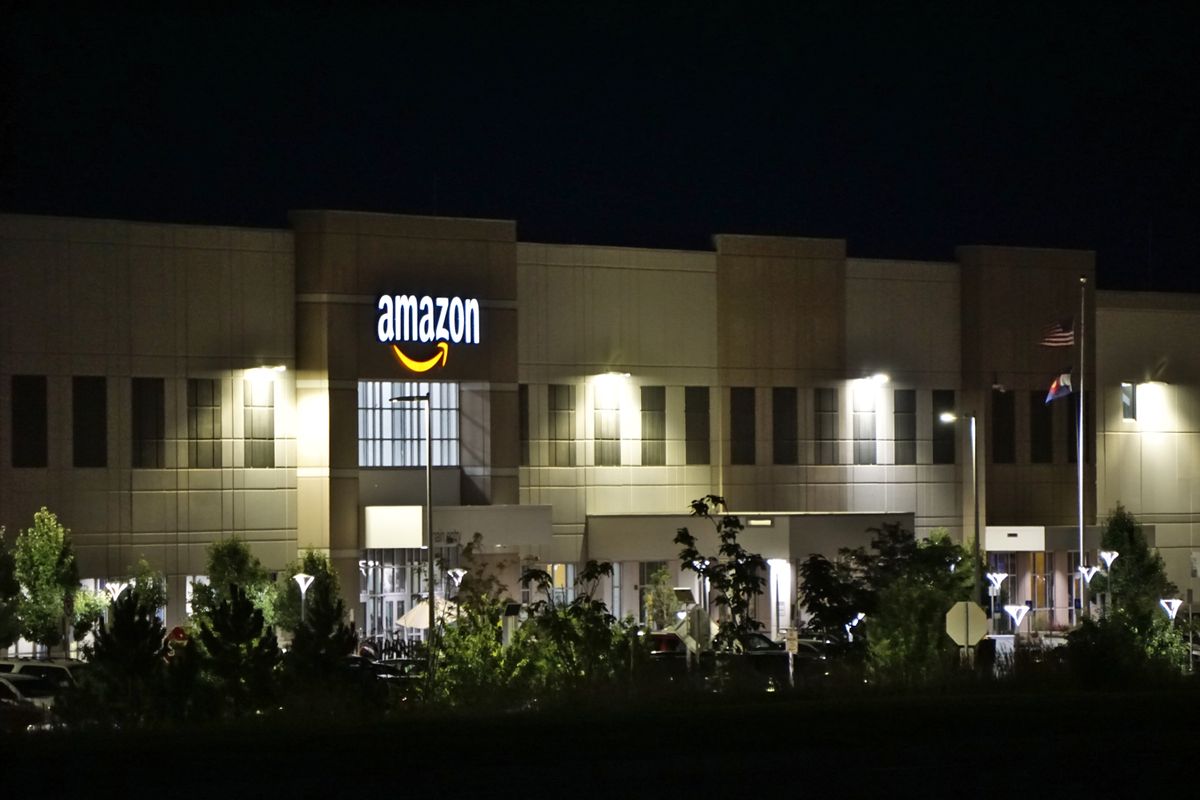
Learn what it takes to run as an owner operator for Amazon: equipment specs, insurance, compliance, and realistic costs in 2026.
Running freight for Amazon as an owner operator is a different beast than typical OTR work. You are not just a driver; you are a small business contractor expected to meet strict equipment, technology, and performance standards. This guide breaks down the current requirements, what they cost, and how to get started without wasting time or money.
Basic Eligibility: Who Can Apply?
Amazon’s owner operator program, often run through their partner carriers or directly via the Amazon Freight Partner program, has baseline requirements you must meet before applying. As of 2026, you need:
- A valid Class A CDL with at least 1 year of verifiable tractor-trailer experience.
- A clean driving record: no major violations (DUI, reckless driving) in the last 3 years, and no more than 1 minor violation in the last 3 years.
- Be at least 21 years old (some programs require 23+).
- Pass a DOT physical and drug screen.
- Have legal authorization to work in the U.S.
- No more than 2 at-fault accidents in the last 3 years.
If you have a criminal background, expect a thorough check. Amazon’s standards are strict, and even minor offenses can disqualify you.
Equipment Requirements: Your Truck Must Meet Specs
Amazon does not accept just any truck. Your tractor must meet these minimum specs (2026):
- Model year: 2017 or newer (some regions require 2019+).
- Engine: 400 HP minimum, preferably 450+ for mountainous routes.
- Transmission: Manual or automated manual (no fully automatic).
- Sleeper: 72-inch sleeper or larger (day cabs are not accepted).
- Weight: Tractor must weigh less than 20,000 lbs with a full fuel tank.
- Axles: 6x2 or 6x4 configuration.
- Safety systems: Forward collision warning, automatic emergency braking, lane departure warning, and a dash camera (Amazon provides the camera).
- Trailer: 53-foot dry van, 2020 or newer, with a liftgate and E-track (Amazon provides trailers in most cases, but you must maintain them).
If you are buying a used truck, budget $60,000 to $120,000 for a 2018-2020 model that meets specs. Leasing is also an option, but make sure the lease allows commercial use and meets Amazon’s requirements.
Insurance and Compliance: What You Must Carry
Amazon requires you to carry specific insurance coverage, and you must provide proof before your first load. Typical minimums:
- Primary liability: $1,000,000 per occurrence.
- Cargo insurance: $100,000 per load (Amazon may require more for high-value freight).
- Physical damage: Actual cash value or agreed value on your truck and trailer.
- General liability: $1,000,000 (often required by Amazon’s partner carriers).
Expect to pay $12,000 to $18,000 per year for full coverage, depending on your driving record and location. You also need to maintain a clean DOT inspection status. Amazon uses the FMCSA’s CSA scores, and any serious violation can get you booted.
Technology and Tracking: Big Brother Is Watching
Amazon is obsessed with real-time tracking. You must have:
- An ELD (electronic logging device) that integrates with Amazon’s systems. They often provide a specific ELD or require compatibility with their platform.
- A smartphone with the Amazon Relay app (for load assignment and check-in).
- A dash camera with forward-facing and in-cab views. Amazon provides the camera, but you must install it and keep it operational.
- GPS tracking on your truck. Amazon uses this to predict arrival times and penalize late deliveries.
You will be monitored for speed, hard braking, and idle time. If your driving score drops below Amazon’s threshold, you may lose access to loads.
Application Process: Step by Step
- Create an Amazon Relay account at relay.amazon.com. This is the portal for all owner operator applications.
- Complete the carrier onboarding: You will need your DOT number, MC number, insurance certificates, and equipment list.
- Pass a background check: Amazon runs a criminal and driving record check.
- Submit equipment photos: They will verify your truck meets specs.
- Attend an orientation: This is usually virtual, covering Amazon’s policies, technology, and safety standards.
- Get activated: Once approved, you can start booking loads.
Approval can take 2 to 6 weeks, so plan ahead.
Costs and Earnings: What to Expect
As an owner operator with Amazon, you are paid per mile, but the rates vary by lane and region. In 2026, typical rates are:
- Dry van: $1.80 to $2.50 per mile (loaded).
- Dedicated routes: $2.00 to $2.80 per mile.
- Empty miles: $0.50 to $0.80 per mile (Amazon tries to minimize these).
Your gross revenue per week can be $4,000 to $6,000, but you must subtract:
- Fuel: $1,200 to $1,800 per week (depending on miles and fuel economy).
- Maintenance: $200 to $400 per week (set aside).
- Insurance: $250 to $350 per week.
- Truck payment: $500 to $1,000 per week if you financed.
- Tolls and permits: $50 to $150 per week.
Net income after all expenses: $1,500 to $2,500 per week, before taxes. That is realistic if you run 2,500 to 3,000 miles per week.
Tips for Success with Amazon
- Be on time, every time. Amazon’s delivery windows are tight, and late arrivals affect your score.
- Keep your truck spotless. Amazon does random inspections, and a dirty truck can lead to a suspension.
- Use the Relay app for everything. Load assignments, check-in, and proof of delivery are all digital.
- Watch your driving score. Hard braking and speeding lower your score, which can reduce your load offers.
- Plan for downtime. Amazon does not guarantee steady work. Have a financial buffer for slow weeks.
FAQ
Q: Can I use my own trailer with Amazon? A: Yes, but it must meet their specs (53-foot dry van, 2020 or newer). However, Amazon often provides trailers for their loads, so you may not need your own.
Q: Do I need to be an LLC to work with Amazon? A: No, you can operate as a sole proprietor, but an LLC is recommended for liability protection and tax benefits. Amazon does not require it.
Q: How long does it take to get approved? A: Typically 2 to 6 weeks, depending on how quickly you provide all documents and pass background checks.
Q: What happens if I get a violation while working for Amazon? A: Minor violations may just lower your score. Major ones (like a DUI or out-of-service violation) can result in immediate termination from the program.
The Bottom Line
Amazon offers steady freight and high rates, but the requirements are strict and the monitoring is intense. You need a late-model truck, solid insurance, and a clean record. If you can handle the technology and the pressure, it can be a profitable gig. But do not expect a relaxed job. Amazon is a demanding customer, and you are a contractor, not an employee. Weigh the costs and your own driving habits before signing up. If you are disciplined and reliable, Amazon can be one of the best paying freight options in 2026.