Air Brake System Explained
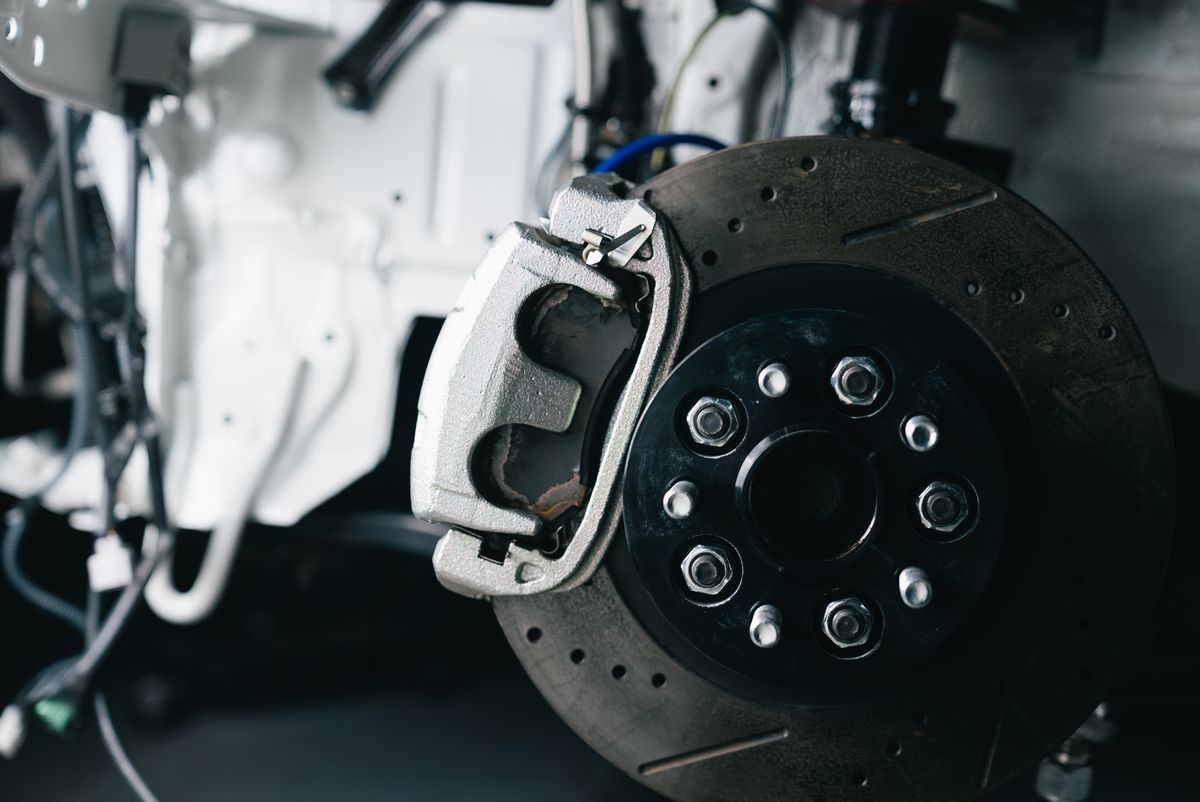
Understand how air brakes work, key components, maintenance steps, and costs. A practical guide for truck drivers and owner-operators.
Air brakes are the standard braking system on heavy trucks, and understanding how they work is essential for safe operation and proper maintenance. This guide explains the components, operation, common issues, and maintenance steps to keep your air brake system reliable.
How Air Brakes Work
Air brakes use compressed air to apply friction to the wheels, stopping the vehicle. Unlike hydraulic brakes, air brakes are fail-safe: if air pressure drops too low, the brakes automatically engage, bringing the truck to a stop. This is why you must build air pressure before moving and why low-pressure warnings are critical.
The system operates in three stages: compression, storage, and application. The engine-driven compressor builds air pressure, which is stored in reservoirs. When you press the brake pedal, air is released to the brake chambers, which push the slack adjusters and rotate the S-cams, forcing the brake shoes against the drums.
Key Components and Their Functions
- Air Compressor: Driven by the engine, it compresses air and delivers it to the system. Most compressors are gear-driven and have a governor that controls pressure (typically 100-130 psi).
- Governor: Regulates compressor operation, keeping pressure within a set range (usually 100-120 psi).
- Reservoirs: Storage tanks for compressed air. Trucks typically have multiple reservoirs: primary, secondary, and auxiliary. They are equipped with drain valves to remove moisture and contaminants.
- Brake Chambers: Convert air pressure into mechanical force. They contain a diaphragm and pushrod that activates the slack adjuster.
- Slack Adjusters: Connect the pushrod to the S-cam. Automatic slack adjusters maintain proper brake stroke, but manual adjustment may still be needed.
- S-Cam and Brake Shoes: The S-cam rotates to spread the brake shoes against the drum, creating friction.
- Brake Drums: The surface that the shoes press against. Drums can overheat and crack, so they need regular inspection.
- Valves: Include the foot valve (brake pedal), relay valves, quick-release valves, and check valves. They control air flow and timing.
- Air Dryer: Removes moisture and oil from the air before it reaches the reservoirs. It has a heater and a desiccant cartridge that needs periodic replacement.
- Safety Valves: Release excess pressure to prevent system damage.
Air Brake Inspection and Maintenance Schedule
Regular inspection is required by law and critical for safety. Here is a practical schedule:
- Daily (Pre-Trip): Check air pressure builds to 100-120 psi, test low-pressure warning (should activate below 60 psi), check for audible air leaks, inspect brake hoses and lines for damage, and drain reservoirs if moisture is present.
- Weekly: Check brake stroke (should be within 1.5 to 2 inches when fully applied), inspect slack adjusters for proper movement, and look for oil or grease leaks.
- Monthly: Test the parking brake and emergency brake, inspect brake linings for wear (minimum thickness is typically 1/4 inch), and check the air dryer’s desiccant condition.
- Annually or Every 100,000 Miles: Replace air dryer cartridge, inspect and service brake chambers, and have a full system check by a certified mechanic.
Common Air Brake Problems and Fixes
- Low Air Pressure: Caused by leaks, compressor failure, or a faulty governor. Check for leaks with soapy water on connections, and verify compressor output.
- Brake Fade: Overheating brakes reduce stopping power. This often happens on long downgrades. Use engine braking and proper gear selection to avoid overheating.
- Uneven Brake Wear: Can be due to misadjusted slack adjusters or worn S-cams. Measure stroke on all wheels and adjust as needed.
- Air Dryer Not Working: If you see oil in the reservoirs, the air dryer may be saturated. Replace the cartridge and check the heater.
- Brake Pull: If the truck pulls to one side, a brake may be dragging or not applying fully. Inspect the slack adjuster and brake shoes on that wheel.
Costs of Air Brake Maintenance
Here are typical costs (2026 estimates) for common services:
| Service | Cost Range |
|---|---|
| Pre-trip inspection (self) | $0 |
| Brake lining replacement (per axle) | $300-$600 |
| Slack adjuster replacement | $100-$200 per unit |
| Air dryer cartridge | $50-$120 |
| Brake chamber replacement | $80-$150 per unit |
| Full brake system service | $800-$1,500 |
These costs vary by location and shop rates. Regular maintenance can prevent costly failures and downtime.
Practical Steps to Take This Week
- Perform a thorough pre-trip inspection using the steps above. Time yourself to ensure you check all components.
- Drain air reservoirs if you haven’t in a while. Moisture can cause valve corrosion and brake failure.
- Measure brake stroke on all wheels. Use a ruler or a stroke indicator tool. If any are out of spec, adjust or have them adjusted.
- Check the air dryer for signs of oil or moisture. If the desiccant is saturated, replace it.
- Listen for air leaks when the truck is parked with the engine off. A hissing sound indicates a leak that needs attention.
FAQ
Q: How often should I drain my air reservoirs? A: Daily draining is recommended, especially in humid climates. Many trucks have automatic drain valves, but manual draining is still a good habit.
Q: What is the minimum air pressure to move a truck? A: You must have at least 100 psi to release the parking brake and move. The low-pressure warning must activate below 60 psi.
Q: Can I adjust my own slack adjusters? A: Yes, but you need the right tools and knowledge. Automatic slack adjusters should not be manually adjusted unless they are out of spec. If you’re unsure, have a mechanic do it.
Q: How do I know if my air dryer needs replacing? A: If you see oil or moisture in the reservoirs, or if the dryer fails to purge, it’s time to replace the cartridge. Many recommend replacing it every 12 months or 100,000 miles.
The Bottom Line
Air brakes are reliable but require regular attention. Understanding the components and maintenance schedule helps you stay safe and avoid costly repairs. Follow the pre-trip inspection daily, address issues promptly, and keep a maintenance log. If you’re ever in doubt, consult a certified mechanic. Your life and the lives of others depend on it.