Air Brake Requirements for Non CDL License
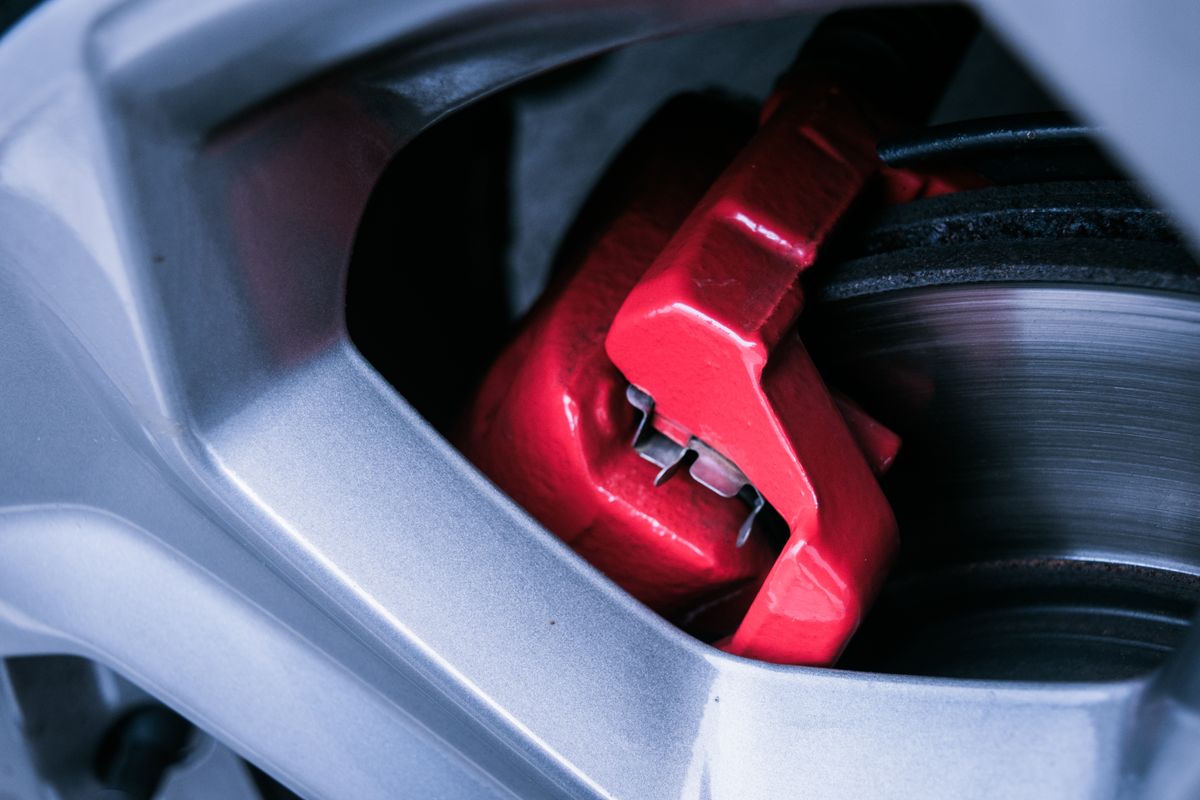
Do you need a CDL to drive with air brakes? Learn the federal and state rules, vehicle weight limits, and practical steps for non-CDL air brake operation.
If you’re driving a vehicle with air brakes but don’t hold a Commercial Driver’s License (CDL), the short answer is: it depends on the vehicle’s weight rating and your state’s laws. Federal rules require a CDL for vehicles over 26,000 pounds GVWR, but air brakes alone don’t automatically trigger the CDL requirement. However, many states have their own air brake endorsement rules for non-CDL vehicles. This guide breaks down the specifics, so you know exactly where you stand.
Federal Rules: When Air Brakes Require a CDL
The Federal Motor Carrier Safety Administration (FMCSA) sets the baseline. Under federal law, you need a CDL if you operate a vehicle that meets any of these criteria:
- Has a Gross Vehicle Weight Rating (GVWR) of 26,001 pounds or more
- Is designed to transport 16 or more passengers (including the driver)
- Transports hazardous materials requiring placards
Air brakes themselves are not a trigger. A vehicle under 26,001 pounds GVWR with air brakes does not require a CDL at the federal level. But the CDL test itself includes a pre-trip inspection and road test that covers air brakes, and if you get a CDL, you’ll need an air brake endorsement (L) to drive vehicles with air brakes. Without that endorsement, you’re restricted to vehicles without air brakes.
For non-CDL vehicles, the federal rules don’t mandate a special license or endorsement. However, you must still know how to operate air brakes safely. The FMCSA’s air brake standards apply to commercial vehicles, but non-CDL drivers are expected to follow basic safety practices.
State Variations: Where It Gets Tricky
States can impose stricter rules. Some states require a non-CDL air brake endorsement for vehicles with air brakes, even if they’re under 26,001 pounds. For example:
- California: Requires a non-commercial air brake endorsement for vehicles with air brakes that are not subject to CDL requirements. You must pass a written test and a skills test.
- Texas: Has a Class A or B non-CDL license for vehicles over 26,000 pounds, but air brakes alone don’t require an endorsement for non-CDL vehicles under that weight.
- New York: Requires a non-CDL air brake endorsement for vehicles with air brakes, regardless of weight, if the vehicle is registered as a commercial vehicle.
Other states, like Florida and Ohio, do not require a separate endorsement for non-CDL air brake vehicles, but you still need to know how to use them.
The best way to know your state’s rules is to check your state’s DMV or Department of Motor Vehicles website. Search for “air brake endorsement non-CDL” or call your local DMV. Don’t rely on hearsay; rules change.
Vehicle Classes and Weight Limits
Here’s a quick breakdown of vehicle classes and how they relate to air brakes:
| Vehicle Class | GVWR Range | CDL Required? | Air Brake Endorsement? |
|---|---|---|---|
| Class A (truck-trailer combo) | 26,001+ lbs | Yes | Yes (for CDL) |
| Class B (single vehicle) | 26,001+ lbs | Yes | Yes (for CDL) |
| Class C (smaller vehicles) | Under 26,001 lbs | No | Varies by state |
| Non-CDL medium-duty (e.g., box trucks) | 10,001-26,000 lbs | No | Varies by state |
If you’re driving a vehicle like a 26-foot box truck with air brakes, it likely falls under 26,001 pounds, so no CDL is needed. But if it’s a heavy tow truck or a bus, the rules change.
How to Get a Non-CDL Air Brake Endorsement
If your state requires an endorsement, here’s the typical process:
- Study your state’s CDL manual: Even for non-CDL, the air brake section is the same. Focus on the air brake components, pre-trip inspection, and driving techniques.
- Take the written test: This is usually a multiple-choice test covering air brake theory, parts, and safety.
- Pass a skills test: Some states require a road test in a vehicle with air brakes. You’ll need to demonstrate a proper pre-trip inspection and safe braking.
- Pay the fee: Fees range from $10 to $50, depending on the state.
Even if your state doesn’t require an endorsement, taking a course or practicing with a qualified instructor is smart. Air brakes have a lag time, and you need to know how to handle emergencies.
Practical Steps You Can Take This Week
- Check your state’s DMV website: Look for “non-CDL air brake endorsement” or call the DMV. Write down the exact requirements.
- Review the air brake pre-trip inspection: Even if you’re not required to pass a test, knowing how to check air pressure, test the low-air warning, and inspect brake pads is essential for safety.
- Practice in a safe area: If you have access to a vehicle with air brakes, practice braking in an empty lot. Get a feel for the brake lag and the proper following distance.
- Talk to a veteran driver: Ask a seasoned trucker or mechanic about common air brake pitfalls. They can give you real-world tips.
FAQ
Q: Can I drive a vehicle with air brakes without a CDL if it’s under 26,000 pounds?
A: Yes, at the federal level. But your state may require a non-CDL endorsement. Check with your DMV.
Q: What happens if I get caught driving with air brakes without the required endorsement?
A: You could face fines, points on your license, and even a court appearance. Fines vary by state, but can range from $100 to $500.
Q: Do I need a CDL for a motorhome with air brakes?
A: Generally no, if the motorhome is under 26,001 pounds and used for personal travel. But if you’re using it commercially, rules may apply.
Q: How do I know if my vehicle has air brakes?
A: Look for an air pressure gauge on the dashboard, a low-air warning light, and a parking brake valve that you push in to release. Also, check under the vehicle for air lines and brake chambers.
The Bottom Line
Air brakes don’t automatically mean you need a CDL, but they do mean you need proper training and possibly a state endorsement. The federal threshold is 26,001 pounds, but state rules can be stricter. Always verify with your DMV, and invest time in learning air brake operation. It’s not just about legality; it’s about safety. A vehicle with air brakes handles differently, and you owe it to yourself and others on the road to be competent.