Accenture Freight and Logistics Software
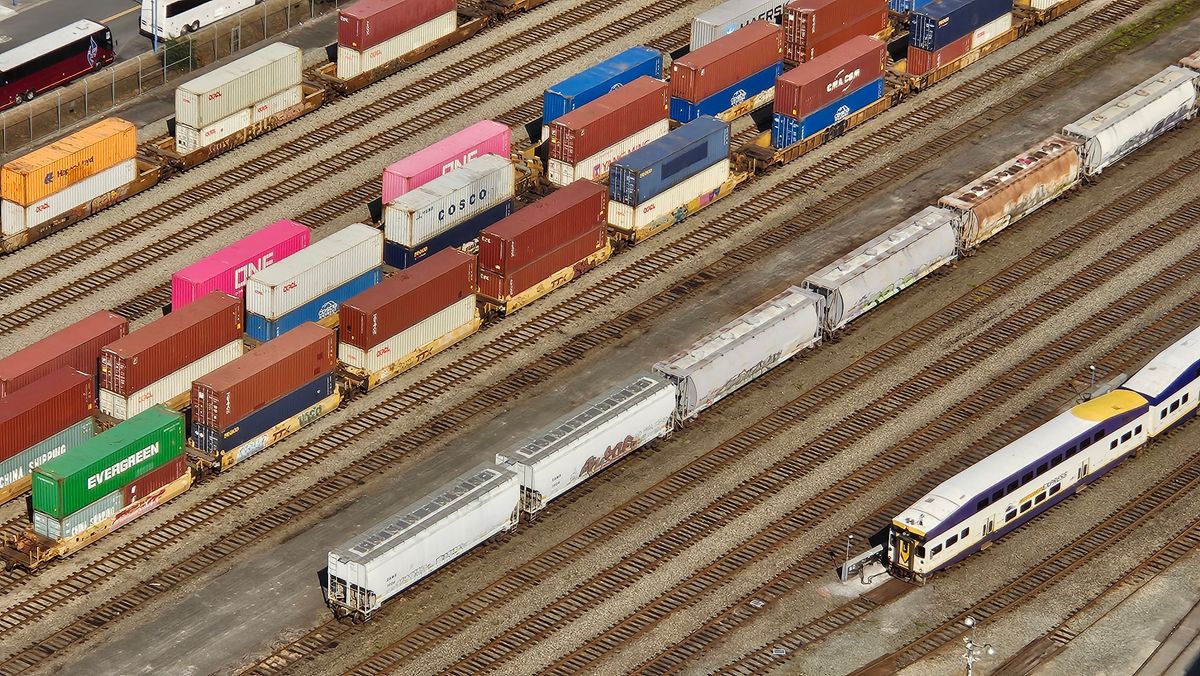
Accenture offers freight and logistics software through partnerships and platforms. Learn what it is, costs, and how to evaluate it for your trucking business.
Accenture is a global consulting firm, not a software vendor in the traditional sense. For freight and logistics, they provide implementation, integration, and managed services around platforms like SAP, Oracle, and their own Accenture Freight and Logistics Software (AFLS). If you’re a small fleet or owner-operator, you likely won’t buy Accenture software directly. Instead, you’ll encounter it through a shipper or 3PL that uses their systems. This guide explains what Accenture offers, what it costs, and how to decide if it matters for your operation.
What Is Accenture Freight and Logistics Software?
Accenture Freight and Logistics Software (AFLS) is a suite of cloud-based solutions built on SAP technology. It covers freight management, warehouse management, and supply chain visibility. But Accenture’s real value is in consulting: they help large companies customize and integrate software from SAP, Oracle, or Manhattan Associates. For a small fleet, the practical takeaway is that your customers might use Accenture-built platforms to tender loads, track shipments, and manage invoices.
How Does Accenture Software Affect Small Fleets?
If you haul for a large shipper or a 3PL that uses Accenture’s systems, you’ll interact with their portals and EDI (Electronic Data Interchange). That means you need to be EDI-capable or use a transportation management system (TMS) that integrates with their network. For example, a shipper using AFLS might require you to submit invoices via EDI 210, receive load tenders via EDI 204, and update status via EDI 214. If you can’t do that, you may lose access to those loads.
What Are the Costs?
Accenture doesn’t publish pricing for its software. For large enterprises, implementation projects can run from $500,000 to $5 million or more, depending on scope. For a small fleet, you won’t pay that. Instead, you’ll pay for your own TMS or EDI provider. Typical costs:
- TMS software: $50 to $150 per truck per month for basic plans, up to $300 per truck for advanced features.
- EDI provider: $50 to $150 per month for a basic EDI package, plus per-transaction fees (often $0.10 to $0.50 per document).
- Integration setup: $500 to $2,000 one-time for connecting your TMS to a customer’s EDI network.
These costs are realistic for 2026. You can start with a simple EDI service like HubTran or EDI Here, or use a TMS like TruckLogics or McLeod that includes EDI modules.
How to Evaluate If You Need Accenture-Compatible Systems
If you’re considering working with shippers that use Accenture, here’s a practical checklist:
- Ask your customer what EDI transactions they require. Common ones: 204 (load tender), 210 (invoice), 214 (status), 990 (response).
- Check if your current TMS supports those transactions. Many TMS platforms have built-in EDI, but you may need to pay for the module.
- Get a quote from an EDI provider. Compare per-transaction fees and monthly minimums.
- Test integration with a sandbox. Most EDI providers offer a test environment to ensure data flows correctly.
- Consider a managed EDI service if you don’t want to handle technical details. Costs range from $100 to $300 per month.
Alternatives to Accenture for Small Fleets
If you’re looking for software that does what Accenture does for big companies, but at your scale, consider these options:
| Software | Best For | Price Range (per month) | Key Features |
|---|---|---|---|
| TruckLogics | Owner-operators | $35-$75 | Dispatch, invoicing, IFTA, basic EDI |
| McLeod TMS | Small fleets | $100-$300 | Advanced dispatch, EDI, integration |
| Axon TMS | Small to mid fleets | $150-$400 | Load tracking, EDI, factoring |
| Aljex | Broker and carrier | $100-$250 | Load management, EDI, document management |
| Tailwind TMS | Small fleets | $50-$150 | Dispatch, accounting, EDI optional |
These are ballpark figures for 2026. Always get a custom quote.
Steps You Can Take This Week
- Identify your top 3 customers and ask if they require EDI. If they do, list the transaction types.
- Check your current TMS for EDI capabilities. If you don’t have one, research the options above.
- Get a quote from one EDI provider for the transactions you need. Compare with your TMS’s built-in module.
- Set up a test with a customer’s EDI team to ensure you can send and receive test files.
- Budget for the cost and decide if the loads justify the expense.
FAQ
Q: Do I need Accenture software as a small fleet? A: No. Accenture targets large enterprises. You need EDI capability, not their software. Focus on a TMS or EDI provider that connects to your customers.
Q: How much does EDI cost for a small trucking company? A: Expect $50 to $150 per month for a basic EDI service, plus per-transaction fees. Setup can be $500 to $2,000.
Q: Can I use Accenture’s software if I’m not a client? A: No. Accenture’s software is for their clients. You interact with it indirectly through their portals or EDI.
Q: What is the difference between Accenture and a TMS? A: Accenture is a consulting and systems integration firm. A TMS is software you use to run your operations. Accenture might implement a TMS for a shipper, but you use your own TMS.
The Bottom Line
Accenture Freight and Logistics Software is enterprise-level, not something you buy as a small fleet. But if your customers use it, you need to be EDI-ready. Start by asking your customers what they require, then choose a TMS or EDI provider that fits your budget. The cost is manageable, and the payoff is access to higher-paying loads. Don’t let the big-name software scare you off. With the right tools, you can work with any shipper, regardless of their platform.