Best Car Carrier Transport Tips
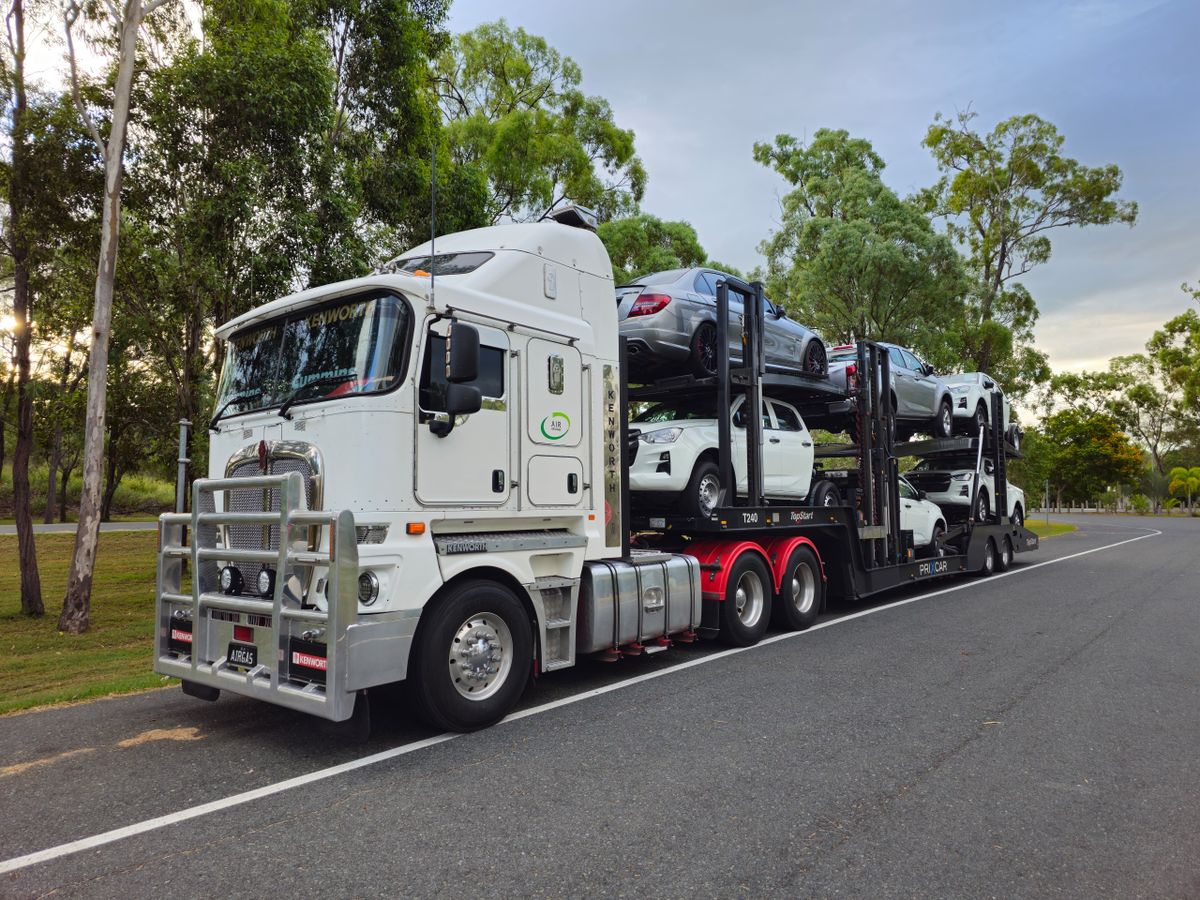
Practical tips for car carriers: loading, securing, routes, and maintenance. Get real-world advice for safe and profitable car hauling.
Car carrier transport is a specialized niche in trucking that demands precision, patience, and a solid understanding of equipment and regulations. Whether you’re new to hauling cars or looking to sharpen your skills, these tips cover the essentials: from choosing the right trailer to securing loads and managing your business. Here’s what you need to know to operate safely and profitably.
1. Choose the Right Trailer for Your Needs
The two main types of car carriers are open and enclosed. Open carriers are cheaper to buy and operate, but expose vehicles to weather and road debris. Enclosed carriers offer better protection and command higher rates, but cost more upfront and have higher maintenance.
- Open carriers: Purchase price ranges from $30,000 to $80,000 new, or $15,000 to $40,000 used. They typically carry 7 to 10 vehicles.
- Enclosed carriers: New units run $80,000 to $150,000, used ones $40,000 to $90,000. Capacity is usually 2 to 6 vehicles, depending on size.
Also consider the deck style: fixed, hydraulic, or tilting. Hydraulic lifts are easier for low-profile cars, but add weight and cost. If you plan to haul classic or exotic cars, enclosed is the way to go. For everyday retail deliveries, open is more cost-effective.
2. Master Loading and Securing Techniques
Proper loading and securing are non-negotiable. A loose car can shift, causing damage or a catastrophic accident. Follow these steps:
- Inspect the trailer: Check ramps, chains, and tie-downs for wear before every load.
- Load heaviest vehicles first: Place them on the bottom deck, closest to the tractor, to maintain stability.
- Use wheel straps or chains: Ratchet straps over the tires are common; chains with binders are used for heavier loads. Always use at least four tie-downs per vehicle, two front and two rear.
- Check clearance: For low-clearance cars, use adjustable ramps or a tilting deck to avoid scraping.
- Secure loose items: Remove or secure any loose parts inside the vehicle, like spare tires or toolboxes.
Practice loading in a safe area until you can do it smoothly. Each vehicle should take 15 to 20 minutes to secure properly.
3. Plan Routes with Height and Weight in Mind
Car carriers are tall and heavy, so route planning is critical. Overhead clearance is a constant concern, especially on secondary roads.
- Know your height: Measure your loaded trailer height; typical is 13’6” to 14’0”. Always check bridge and underpass clearances.
- Use truck-specific GPS: Apps like Trucker Path or Garmin dezl route you around low bridges and weight-restricted roads.
- Check weight limits: A loaded car carrier can weigh 40,000 to 60,000 pounds. Verify bridge weight limits and state regulations.
- Avoid tight urban areas: If possible, schedule deliveries to avoid rush hours or narrow streets. Scout the delivery location with Google Maps Street View.
4. Stay on Top of Maintenance
Your trailer and truck are your livelihood. Regular maintenance prevents breakdowns and costly delays.
- Tires: Check pressure daily. Proper inflation extends tire life and improves fuel economy. Replace tires with less than 4/32” tread depth.
- Brakes: Inspect brake pads and rotors every 10,000 miles. Adjust air brakes per manufacturer specs.
- Hydraulics: For hydraulic decks, check fluid levels and hoses monthly. Look for leaks and worn seals.
- Lights and reflectors: Ensure all lights work; replace burned-out bulbs immediately.
Set a maintenance schedule and stick to it. A simple log helps track service intervals.
5. Manage Your Business Finances
Carrier transport can be profitable, but you need to watch costs. Here are key numbers for 2026:
- Fuel costs: Diesel averages $3.50 to $4.50 per gallon. A car carrier gets 6 to 8 mpg, so plan fuel stops.
- Insurance: Commercial auto liability runs $8,000 to $15,000 per year. Cargo insurance for vehicles is extra, often $2,000 to $5,000 annually.
- Permits and IFTA: You’ll need a USDOT number, MC number, and IFTA license. Costs vary by state, but budget $500 to $1,500 initially.
- Rates: Open carriers earn $1.00 to $1.50 per mile; enclosed carriers $1.50 to $2.50 per mile. Short hauls pay more per mile, but long hauls offer steady work.
Use a load board like Central Dispatch or uShip to find loads. Factor invoices if cash flow is tight, but be aware of fees, typically 2% to 5% of the invoice.
6. Understand Regulations and Compliance
Car carriers are subject to DOT rules, including hours of service (HOS). As of 2026, the rules are:
- 11-hour driving limit after 10 consecutive hours off duty.
- 14-hour on-duty limit after 10 hours off duty.
- 30-minute break required after 8 hours of driving.
- ELD mandate: You must use an electronic logging device to track hours.
Also, you need a CDL with the appropriate endorsements. A Class A CDL is standard for combination vehicles. Some states require a specific endorsement for car carriers, so check your state’s requirements.
7. Build Relationships and Reputation
Repeat business is key in car hauling. Deliver on time, treat vehicles with care, and communicate with customers.
- Be punctual: Arrive within the delivery window. If delayed, call ahead.
- Document condition: Take photos of vehicles before and after loading to protect against damage claims.
- Get referrals: Ask satisfied customers for reviews and referrals. A good reputation on load boards leads to more jobs.
FAQ
Q: Do I need a special license to drive a car carrier? A: Yes, you need a Class A CDL. Some states may require additional endorsements, so check with your DMV.
Q: How much can I earn as an owner-operator car carrier? A: Net income varies widely, but many owner-operators report $40,000 to $80,000 per year after expenses. Enclosed carriers and specialty hauling can earn more.
Q: What’s the most common mistake new car carriers make? A: Improper securing. Always use enough tie-downs and check them periodically during the trip.
Q: Can I haul cars part-time? A: Yes, but you must comply with HOS and ELD rules even for part-time work. Insurance and permits are still required.
The Bottom Line
Car carrier transport is a demanding but rewarding niche. Invest in good equipment, master loading techniques, plan routes carefully, and stay compliant with regulations. Manage your finances with realistic numbers, and build a reputation for reliability. With these tips, you’ll be on the road to success in car hauling.