Assigned to Last Mile Driver for Delivery
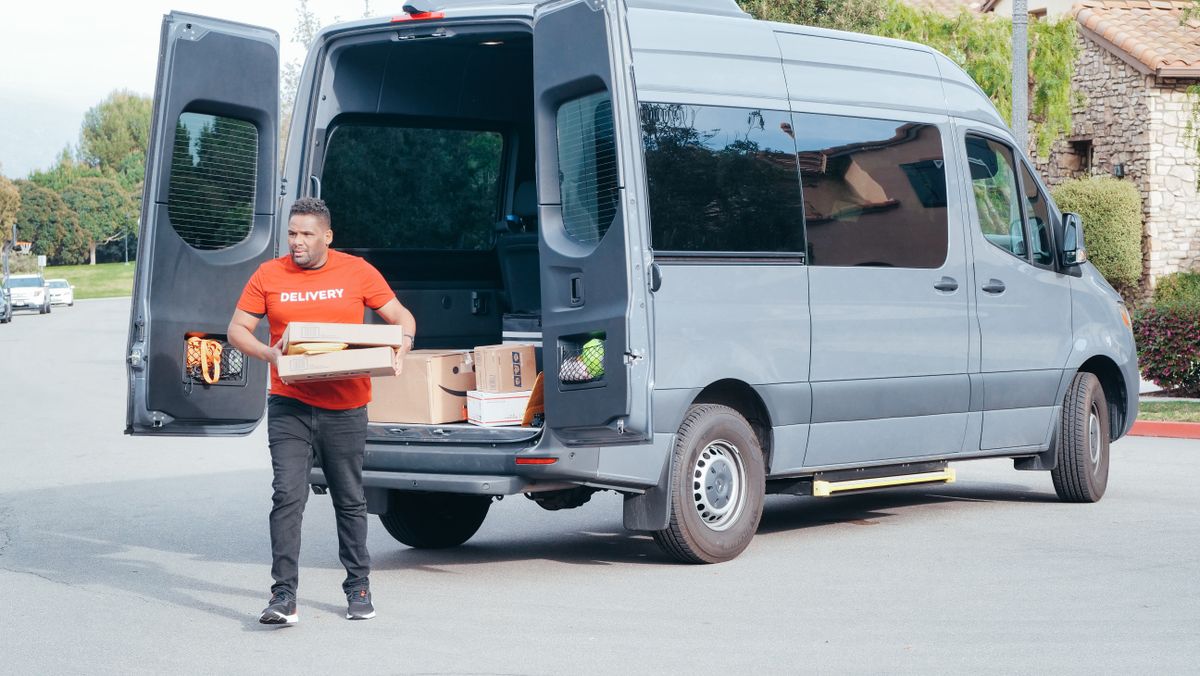
Learn what last mile delivery means for truck drivers, how assignments work, pay rates, and practical steps to succeed in this growing sector.
If you’ve been assigned to a last mile driver role, you’re moving freight from a local distribution center to the final customer, often a home or business. This is different from long haul: shorter routes, more stops, and direct interaction with customers. In 2026, last mile delivery is one of the fastest growing trucking segments, with pay ranging from $18 to $30 per hour for company drivers, or $0.50 to $0.80 per mile for owner-operators. This guide covers what to expect, how to handle the work, and how to make it profitable.
What Last Mile Delivery Involves
Last mile delivery is the final leg of the supply chain. You pick up goods from a local warehouse or cross-dock and deliver them to the end customer. Unlike over-the-road (OTR) work, you’re home daily, but you face tight delivery windows, residential streets, and physical handling.
Typical freight includes:
- Furniture and appliances
- Electronics and white goods
- Parcel packages (from carriers like Amazon, UPS, FedEx)
- Groceries and meal kits
- Medical supplies
Routes usually cover 50 to 200 miles per day, with 10 to 30 stops. You might drive a box truck (Class B) or a cargo van, but some last mile jobs use Class A trucks for larger items like appliances.
How Assignments Work
As an assigned driver, you’re given a set route or a list of deliveries each day. This can come from a dispatch system, a mobile app, or a route sheet. Key points:
- Route planning: Most companies use software that optimizes stops by location and time windows. You’ll get a suggested order, but you can adjust based on traffic or customer access.
- Time windows: Many deliveries require arriving within a specific window, like 9 AM to 12 PM. Missing a window can result in a failed delivery and a penalty.
- Proof of delivery: You’ll need to get a signature, take a photo, or scan a barcode. Always confirm the correct item and condition before leaving.
- Returns: If a customer refuses a delivery or is not home, you may need to return the item to the depot. Document the reason clearly.
Pay and Earnings for Last Mile Drivers
Pay varies by employer, region, and whether you’re a W-2 employee or an independent contractor. As of 2026, here are realistic ranges:
| Employment Type | Pay Structure | Typical Range |
|---|---|---|
| Company driver (hourly) | $18-$30/hour | $40,000-$60,000/year |
| Company driver (per stop) | $1.50-$3.00/stop | $150-$300/day |
| Owner-operator (per mile) | $0.50-$0.80/mile | $500-$1,200/week after expenses |
| Owner-operator (per route) | $150-$350/route | Varies by density |
Note: Owner-operators must cover fuel, maintenance, insurance, and equipment. A typical daily route of 150 miles might gross $100-$150, but net after expenses could be $60-$90. Always calculate your cost per mile (CPM) before accepting a rate.
Equipment and Technology You’ll Use
Most last mile assignments require specific equipment. Here’s what to expect:
- Vehicle: Box truck (Class B) or cargo van. Some companies provide the vehicle; others require you to have your own.
- Hand truck or dolly: Essential for moving heavy items. Invest in a good quality one ($150-$300).
- Straps and tie-downs: To secure freight in the truck.
- Mobile device: For navigation, scanning, and proof of delivery. Most companies provide a phone or tablet.
- GPS and route apps: Apps like Route4Me, Onfleet, or company-specific software.
If you’re using your own vehicle, ensure it’s properly maintained and insured for commercial use. Personal auto policies do not cover delivery work.
Challenges and How to Handle Them
Last mile work has unique challenges. Here’s how to deal with them:
- Tight time windows: Plan your route the night before. Leave buffer time for traffic and parking.
- Residential access: Some neighborhoods have narrow streets, gates, or stairs. Call ahead if you anticipate issues.
- Customer interaction: Be polite and professional. If a customer is unhappy, listen and report to dispatch. Never argue.
- Physical strain: Lifting heavy items can cause injury. Use proper lifting techniques, and ask for help if needed.
- Failed deliveries: If no one is home, follow company policy: leave a notice, attempt a neighbor, or return to depot.
How to Succeed as an Assigned Last Mile Driver
To make the most of your assignment, follow these practical steps:
- Know your route: Review the delivery list and map before you start. Identify any problem addresses.
- Communicate: If you’re running late, call the customer and dispatch. Most customers appreciate a heads-up.
- Inspect your vehicle daily: Check tires, brakes, and lights. A breakdown costs you time and money.
- Track your expenses: If you’re an owner-operator, log every mile and expense for tax purposes.
- Build relationships: A friendly attitude can lead to tips and better reviews, which may influence future assignments.
FAQ
Q: Do I need a CDL for last mile delivery?
A: Often not. Many last mile jobs only require a valid driver’s license and a clean record, especially for cargo vans and small box trucks. But if the vehicle has a GVWR over 26,000 pounds, you’ll need a Class A or B CDL. Always check the job requirements.
Q: Can I make more money as an owner-operator in last mile?
A: Potentially, but you have higher costs. Owner-operators might gross $150-$300 per route, but after fuel, maintenance, and insurance, net can be $60-$150. It depends on route density and your efficiency.
Q: What if a customer is not home?
A: Follow your company’s policy. Usually, you’ll attempt a neighbor, leave a door tag, or return the item. Always document the attempt with a photo or note.
Q: How do I get assigned to better routes?
A: Be reliable, on time, and have few failed deliveries. Dispatchers often give better routes to drivers who perform well. Communicate proactively and ask for feedback.
The Bottom Line
Being assigned to last mile driver for delivery means you’re the face of the company at the customer’s door. It’s a demanding job with physical work and tight schedules, but it offers steady hours and daily home time. Pay ranges from $18 to $30 per hour for employees, or $0.50 to $0.80 per mile for owner-operators. To succeed, master your route, communicate clearly, and take care of your equipment. If you’re new to this, start with a company driver position to learn the ropes before going independent.