Amazon Last Mile Delivery Program
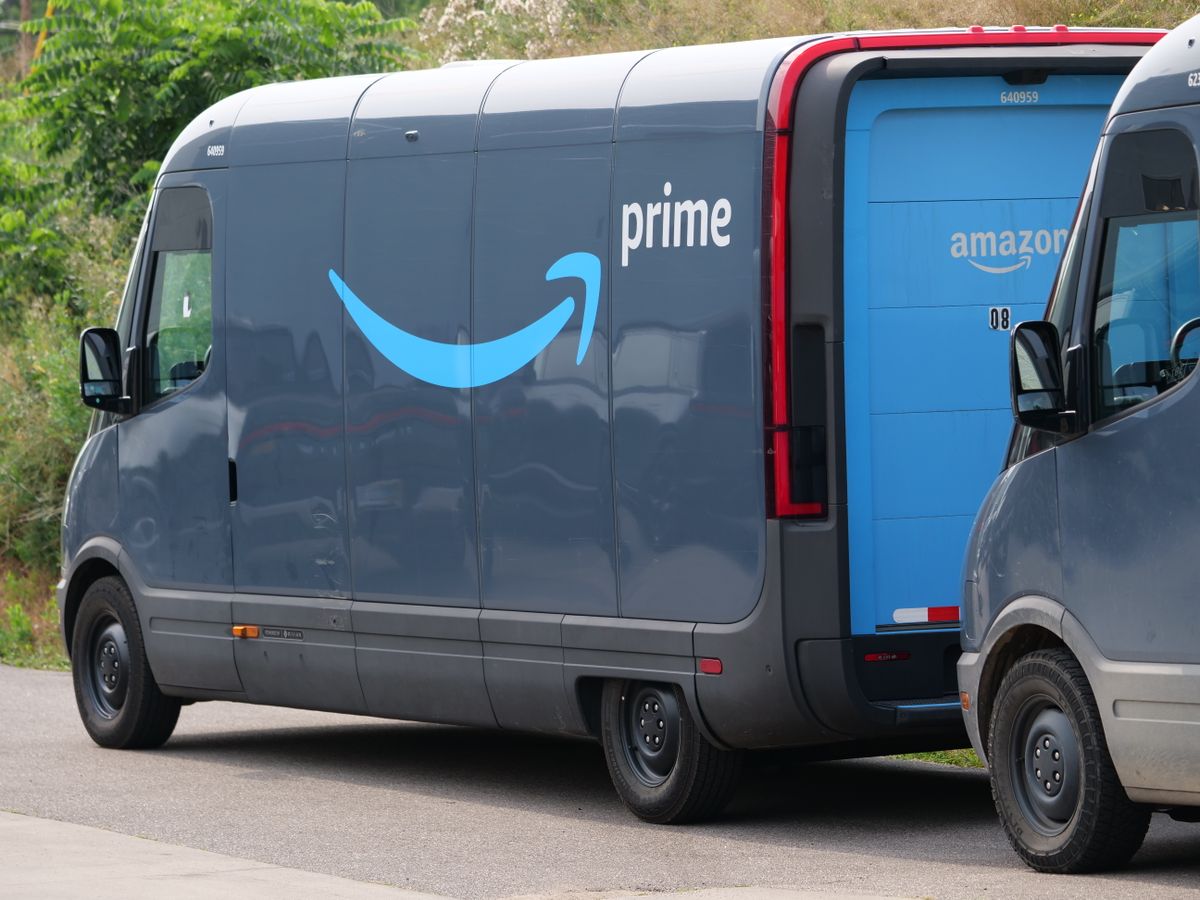
Learn how Amazon's last mile delivery program works, costs, requirements, and whether it's right for your trucking business in 2026.
Amazon’s Last Mile Delivery Program lets independent contractors run delivery routes out of Amazon delivery stations. You use your own van or box truck, hire drivers, and handle deliveries in a defined area. It is not a franchise, but it is a contracted business with Amazon setting the terms. For owner-operators and small fleets, it can be a steady revenue source, but it comes with strict performance metrics and startup costs. Here is what you need to know before signing up.
How the Program Works
Amazon contracts with Delivery Service Partners (DSPs) to handle last mile deliveries. As a DSP, you are responsible for:
- Hiring and managing drivers (Amazon provides training materials)
- Maintaining vehicles (Amazon offers leasing options)
- Delivering packages on assigned routes, typically 6 days a week
- Meeting delivery performance targets (e.g., 95%+ on-time delivery)
Amazon assigns routes from its delivery stations. You do not negotiate rates per package; instead, Amazon pays a flat fee per route, which varies by market and route density. In 2026, typical gross revenue per route ranges from $1,200 to $1,800 per week, depending on stops and drive time.
Requirements to Become a DSP
Amazon looks for experienced business owners. Minimum requirements as of 2026:
- At least $30,000 in liquid capital (cash or easily accessible funds)
- Business registration (LLC or corporation)
- Commercial auto insurance with $1 million liability coverage
- Clean driving record for all drivers
- Ability to hire and manage a team of 20 to 40 drivers
You do not need a CDL, but you must have a valid driver’s license and pass a background check. Amazon also requires you to complete a 4 to 6 week training program before launch.
Startup Costs and Financials
Startup costs vary widely. Here is a realistic breakdown for 2026:
| Cost Item | Range |
|---|---|
| Initial deposit (Amazon) | $3,000 to $10,000 |
| First month’s insurance premium | $2,500 to $5,000 |
| Vehicle down payment (if leasing) | $5,000 to $10,000 per van |
| Uniforms and equipment | $1,000 to $3,000 |
| Payroll setup and software | $500 to $2,000 |
| Total startup (excluding vehicles) | $15,000 to $30,000 |
If you lease vans from Amazon, the cost is about $300 to $500 per week per van, including maintenance. If you use your own box truck, you need to meet Amazon’s age and condition requirements (typically 2015 or newer).
Running the Business Day to Day
Your main job is managing drivers and meeting metrics. Amazon provides a dashboard that tracks:
- On-time delivery rate (target: 95% or higher)
- Customer feedback (target: 4.5 stars or higher)
- Undeliverable packages (target: less than 1%)
- Driver safety incidents (target: zero)
You will need to dispatch drivers each morning, handle route changes, and respond to customer issues. Most DSPs use Amazon’s routing app, but you can also use third-party dispatch software if it integrates with Amazon’s system.
Pros and Cons for Truckers
Pros:
- Steady weekly revenue, paid every two weeks
- No need to find your own freight
- Amazon provides training and support
- Potential to grow to multiple routes (up to 20 vans)
Cons:
- Strict performance metrics; failure can lead to contract termination
- High driver turnover (industry average is 70% to 90% annually)
- Amazon can change terms with 30 days notice
- You are responsible for all operating costs, including fuel, insurance, and maintenance
How to Apply
- Go to Amazon’s DSP application page (logistics.amazon.com)
- Fill out the interest form with your business information
- Complete a phone interview with an Amazon recruiter
- Submit financial documents (bank statements, tax returns)
- Attend a virtual or in-person information session
- Complete the 4 to 6 week training program
- Sign the DSP agreement and start operations
Application review takes 2 to 4 weeks. Approval is not guaranteed; Amazon is selective, especially in saturated markets.
Is It Right for You?
If you are an owner-operator used to long haul, this is a different game. You are running a delivery business, not just driving. You need to manage people and meet tight deadlines. If you prefer solo driving and open road, this may not fit. But if you want a predictable local operation with growth potential, it can be a solid move.
FAQ
Q: Do I need a CDL to be a DSP? A: No, a CDL is not required for vans or box trucks under 26,000 lbs. However, if you use a vehicle over that weight, you will need a CDL.
Q: How much can I earn per route? A: Gross revenue per route is typically $1,200 to $1,800 per week. After expenses (fuel, insurance, driver pay, lease), net profit is often $300 to $600 per route per week.
Q: Can I use my own truck? A: Yes, but it must meet Amazon’s requirements, including being 2015 or newer and passing a vehicle inspection. You can also lease vans from Amazon.
Q: What happens if I miss performance targets? A: Amazon will issue warnings and may require a performance improvement plan. Repeated failures can lead to contract termination.
The Bottom Line
Amazon’s Last Mile Delivery Program offers a steady, local delivery business model, but it requires capital, management skills, and a tolerance for Amazon’s strict oversight. Startup costs range from $15,000 to $30,000, and ongoing profitability depends on your ability to control costs and keep drivers happy. If you are ready to shift from driving to managing, this could be a profitable niche. If not, stick to traditional freight. Do your research, talk to existing DSPs, and crunch the numbers before you commit.