Auto Insurance Shopping Tips
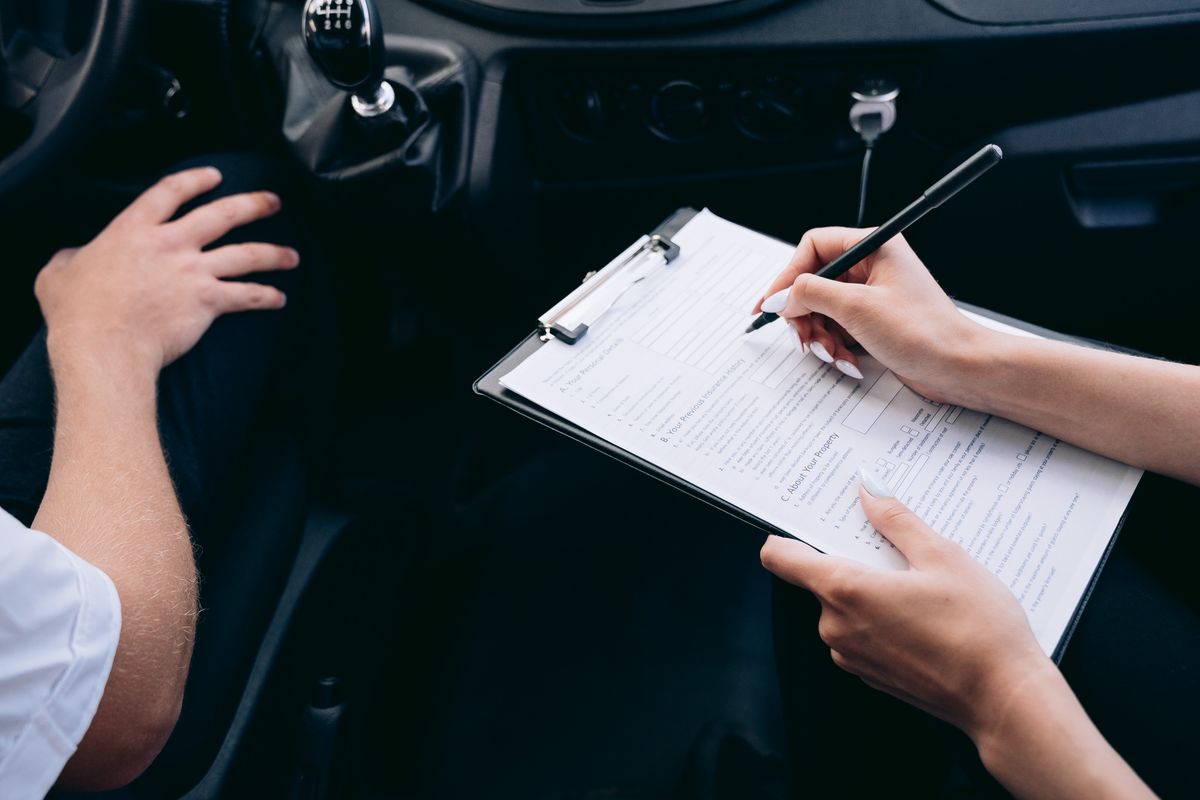
Learn practical steps to compare auto insurance quotes, understand coverage, and save money in 2026. Get tips on discounts and policy review.
Shopping for auto insurance can feel like a chore, but it’s one of the most effective ways to cut your monthly costs. The average driver pays about $1,700 per year for full coverage, but rates vary widely by state, driving record, and vehicle. By comparing quotes and adjusting your coverage, you can often save 10% to 30% without sacrificing protection. Here’s how to do it right.
Know What Coverage You Actually Need
Before you start comparing quotes, understand the basic types of coverage. Most states require liability insurance, which covers damage you cause to others. But you also have options for your own vehicle:
- Liability: Bodily injury and property damage. Minimums vary by state, but consider higher limits like $100,000 per person and $300,000 per accident if you have assets to protect.
- Collision: Pays for damage to your car from an accident, regardless of fault.
- Comprehensive: Covers theft, vandalism, weather damage, and hitting an animal.
- Uninsured/Underinsured motorist: Protects you if the at-fault driver lacks insurance.
- Medical payments or PIP: Covers medical bills for you and passengers.
If your car is older and worth less than $3,000, dropping collision and comprehensive might make sense. The rule of thumb: if the annual premium for these coverages is more than 10% of your car’s value, consider dropping them.
Compare Quotes from Multiple Insurers
Rates can vary by hundreds of dollars for the same driver. A 2026 study found that the difference between the cheapest and most expensive quotes for the same profile averaged $1,200 per year. So it pays to shop around.
- Get quotes from at least three companies: a national carrier like State Farm or GEICO, a regional insurer, and an online-only company like Progressive or Esurance.
- Use independent comparison sites like The Zebra or NerdWallet, but also check directly with insurers because some don’t appear on aggregators.
- When comparing, make sure the coverage limits and deductibles are identical. Otherwise, you’re comparing apples to oranges.
Use the Same Deductible for All Quotes
Your deductible is the amount you pay out of pocket before insurance kicks in. A higher deductible lowers your premium, but you need to be able to afford it if you file a claim. Common deductibles are $500 and $1,000.
For example, raising your collision deductible from $500 to $1,000 can reduce your premium by 10% to 20%. On a $1,700 annual premium, that’s $170 to $340 saved. But if you have a claim, you’ll pay $500 more out of pocket. Make sure you have that cash set aside.
When getting quotes, use the same deductible for each to get an accurate comparison.
Ask About Discounts You Qualify For
Insurers offer many discounts, but they don’t always advertise them. Ask about these common ones:
- Multi-policy: Bundling auto with home or renters insurance can save 10% to 25%.
- Safe driver: No accidents or violations for three to five years.
- Defensive driving course: Completing an approved course can save 5% to 10%.
- Good student: Full-time students with a B average or better.
- Low mileage: Driving fewer than 7,500 miles per year.
- Vehicle safety features: Anti-lock brakes, airbags, and anti-theft devices.
- Pay-in-full: Paying your annual premium upfront can save 5% to 10%.
- Paperless and autopay: Small discounts for going digital.
Ask each insurer for a full list of discounts and verify which ones you qualify for. Some discounts are automatic, but others require you to provide proof.
Review Your Policy Annually
Your insurance needs change over time. A car that’s paid off might not need full coverage. Your driving habits might change. Set a reminder to review your policy every 12 months.
- Check your current coverage and deductibles.
- Get new quotes from competitors.
- Contact your current insurer and ask if they can match or beat the best quote.
- If you switch, make sure the new policy starts the day the old one ends to avoid a lapse.
Lapses in coverage can raise your rates by 10% to 20%, so don’t let that happen.
Consider Usage-Based Insurance
If you’re a safe driver and don’t put many miles on your car, usage-based insurance (UBI) might save you money. Programs like Progressive Snapshot, State Farm Drive Safe & Save, and Allstate Drivewise use a mobile app or a device to track your driving habits.
- Discounts can range from 5% to 30% based on hard braking, speeding, and time of day.
- Some drivers find it invasive, but you can often opt out after a period.
- If you drive less than 10,000 miles per year, UBI is worth a look.
Watch Out for Common Mistakes
When shopping, avoid these pitfalls:
- Buying more coverage than you need: For an older car, comprehensive might not be worth it.
- Ignoring the financial strength of the insurer: Check ratings from AM Best or Standard & Poor’s.
- Not reading the fine print: Know what’s excluded, like rental car coverage or roadside assistance.
- Forgetting to update your policy after life changes: Marriage, moving, or adding a teen driver can affect rates.
FAQ
How often should I shop for auto insurance?
At least once a year. Rates change, and your profile changes. An annual review ensures you’re not overpaying.
Can I switch insurers mid-policy?
Yes, you can cancel at any time. Most insurers pro-rate your refund, but you might owe a small cancellation fee. Just make sure the new policy starts before the old one ends.
Does my credit score affect my rate?
In most states, yes. Insurers use credit-based insurance scores to predict risk. A good score can lower your premium, while a poor score can raise it.
What if I have an accident on my record?
You’ll pay more, but you can still shop around. Some insurers specialize in high-risk drivers. Also, ask about accident forgiveness programs, which can prevent a rate increase after your first at-fault accident.
The Bottom Line
Auto insurance isn’t a one-time purchase. To get the best rate, compare quotes annually, adjust your coverage to match your car’s value, and ask about discounts. A few hours of research can save you $200 to $500 per year. Start by getting three quotes today, and don’t be afraid to switch if you find a better deal.