Apply for IFTA Account
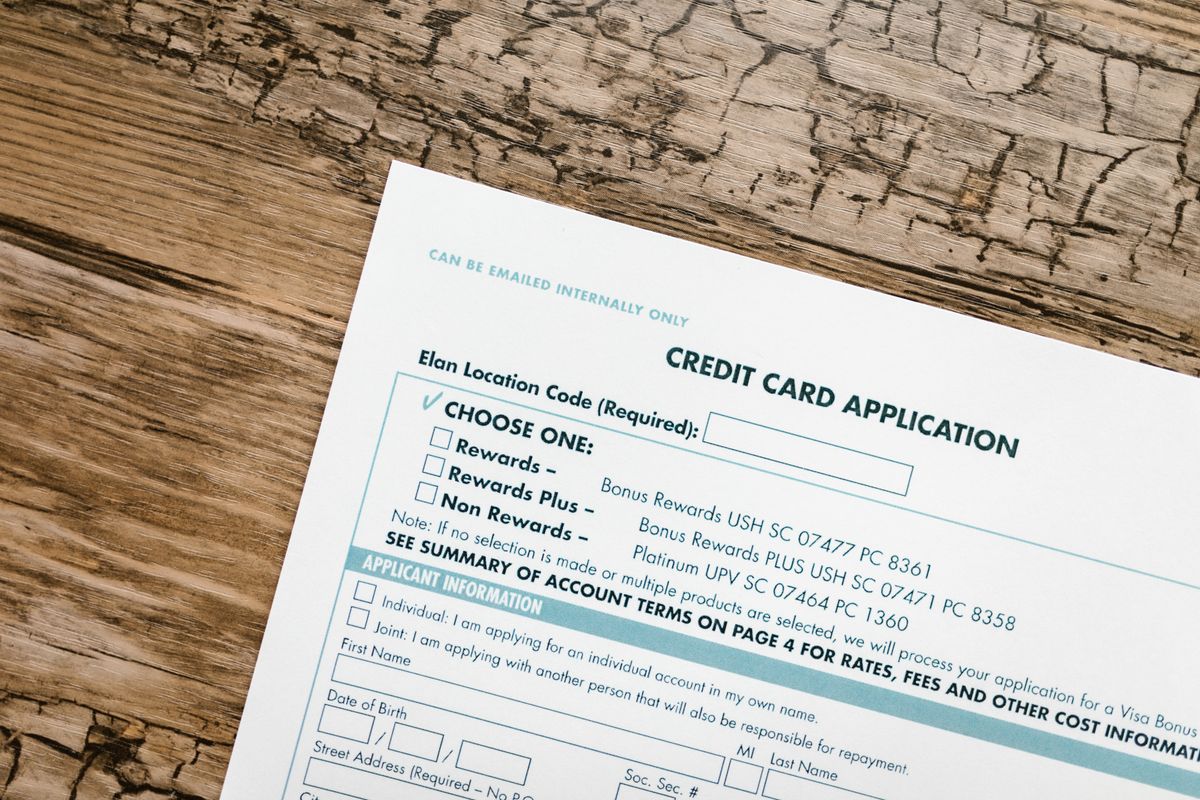
Learn how to apply for an IFTA account, including steps, costs, and requirements for truck drivers and fleet owners in 2026.
Applying for an IFTA (International Fuel Tax Agreement) account is a necessary step for any carrier operating in two or more member jurisdictions. This guide walks you through the process, costs, and requirements so you can get your account set up without delays.
What Is an IFTA Account?
IFTA is an agreement between the 48 contiguous U.S. states, plus the District of Columbia, and the 10 Canadian provinces. It simplifies fuel tax reporting by allowing you to file one quarterly return with your base jurisdiction, instead of filing separately in every state or province you travel through. Your base jurisdiction is the state or province where you register your vehicles, maintain operational records, and have your principal place of business.
Who Needs an IFTA Account?
You need an IFTA account if you operate a qualified motor vehicle in two or more IFTA member jurisdictions. A qualified vehicle is one with two axles and a gross vehicle weight rating (GVWR) over 26,000 pounds, or a three-axle vehicle regardless of weight, or a vehicle used in combination with a GVWR over 26,000 pounds. If you only run within one state, you may not need IFTA, but check your state’s rules because some require it for intrastate operations.
Step-by-Step: How to Apply for an IFTA Account
Step 1: Determine Your Base Jurisdiction
Your base jurisdiction is where you are registered for vehicle registration and where your operational records are kept. For most owner-operators, this is your home state. If you are a company, it is the state where your principal place of business is located.
Step 2: Gather Required Information
Before you apply, have the following ready:
- Your USDOT number (if you have one)
- Your Motor Carrier (MC) number (if you have one)
- Your Employer Identification Number (EIN) or Social Security Number (SSN)
- Vehicle information: VIN, license plate number, and the state where each vehicle is registered
- Your business name, address, and contact information
Step 3: Complete the Application
Most jurisdictions allow you to apply online. Visit your base jurisdiction’s Department of Revenue or Motor Carrier Services website. For example, if you are based in Texas, go to the Texas Comptroller’s website; if in Ontario, go to the Ontario Ministry of Transportation. The application form is typically called the “IFTA Application” or “Motor Fuel Tax Application.” You will need to provide all the information you gathered in Step 2.
Step 4: Pay the Application Fee
Application fees vary by jurisdiction. Expect to pay between $10 and $50 per vehicle. Some states charge a flat fee, others charge per decal. For example, California charges $10 per decal, while Texas charges $25 per vehicle. Check your jurisdiction’s fee schedule before applying.
Step 5: Receive Your Decals and Credentials
Once your application is approved, you will receive two decals for each vehicle, one for each side of the cab, plus a copy of your IFTA license. These must be displayed at all times. The decals are valid from January 1 through December 31 of the year they are issued. If you apply mid-year, you will receive prorated decals.
Costs and Fees
Here is a breakdown of typical costs associated with IFTA:
- Application fee: $10 to $50 per vehicle, depending on the state or province.
- Annual renewal fee: Usually the same as the application fee, paid each year.
- Decals: Included in the application fee, but some states charge extra for replacement decals (around $5 to $10 each).
- Late filing penalty: If you miss a quarterly deadline, you may face a penalty of $50 or 10% of the tax due, whichever is greater, plus interest.
Filing Requirements and Deadlines
Once you have your IFTA account, you must file a quarterly return, even if you have no miles or fuel purchases to report. The deadlines are:
- Q1 (Jan-Mar): Due April 30
- Q2 (Apr-Jun): Due July 31
- Q3 (Jul-Sep): Due October 31
- Q4 (Oct-Dec): Due January 31
You can file online through your base jurisdiction’s portal. You will need to report total miles driven in each jurisdiction, total fuel purchased in each jurisdiction, and the fuel tax paid. The system calculates whether you owe additional tax or receive a credit.
Record Keeping Requirements
You must keep detailed records for at least 4 years to support your IFTA returns. This includes:
- Trip reports with dates, odometer readings, and routes
- Fuel receipts showing gallons purchased and price per gallon
- Mileage logs for each vehicle
- Invoices for tolls and other expenses if you claim credits
Keeping accurate records is critical because IFTA audits are common. If you are audited and cannot provide records, you may face substantial penalties.
Common Mistakes to Avoid
- Missing a filing deadline: Always file on time, even if you owe nothing.
- Incorrect mileage reporting: Use GPS or an electronic logging device (ELD) to track miles accurately.
- Not updating your base jurisdiction: If you move your business to another state, you must transfer your IFTA account.
- Forgetting to renew: Decals expire on December 31 each year. Renew before January 1 to avoid penalties.
FAQ
Can I apply for IFTA if I am a new owner-operator?
Yes. You can apply as soon as you have a vehicle registered in your name and a base jurisdiction. You will need an EIN or SSN, and you must have a physical address for your business.
How long does it take to get my IFTA decals?
Processing times vary by state. Online applications are usually processed within 5 to 10 business days. Mail-in applications can take 2 to 4 weeks. If you need decals urgently, some states offer expedited service for an extra fee.
Do I need IFTA if I only drive in one state?
No, not if you stay within one IFTA jurisdiction. However, if you cross into another state or province, even for a few miles, you need an IFTA account.
What if I operate in Canada? Does IFTA apply?
Yes, all 10 Canadian provinces are IFTA members. If you travel into Canada, you must include those miles and fuel purchases in your IFTA return.
The Bottom Line
Applying for an IFTA account is a straightforward process that takes less than an hour online. The key is to gather your vehicle and business information, choose your base jurisdiction, and pay the small fee. Once you have your account, stay on top of quarterly filings and keep meticulous records. This will save you from headaches and penalties down the road. If you are new to trucking, consider using IFTA software or a service to help you track miles and fuel, which can make filing much easier.