Best Hazmat Trucking Jobs
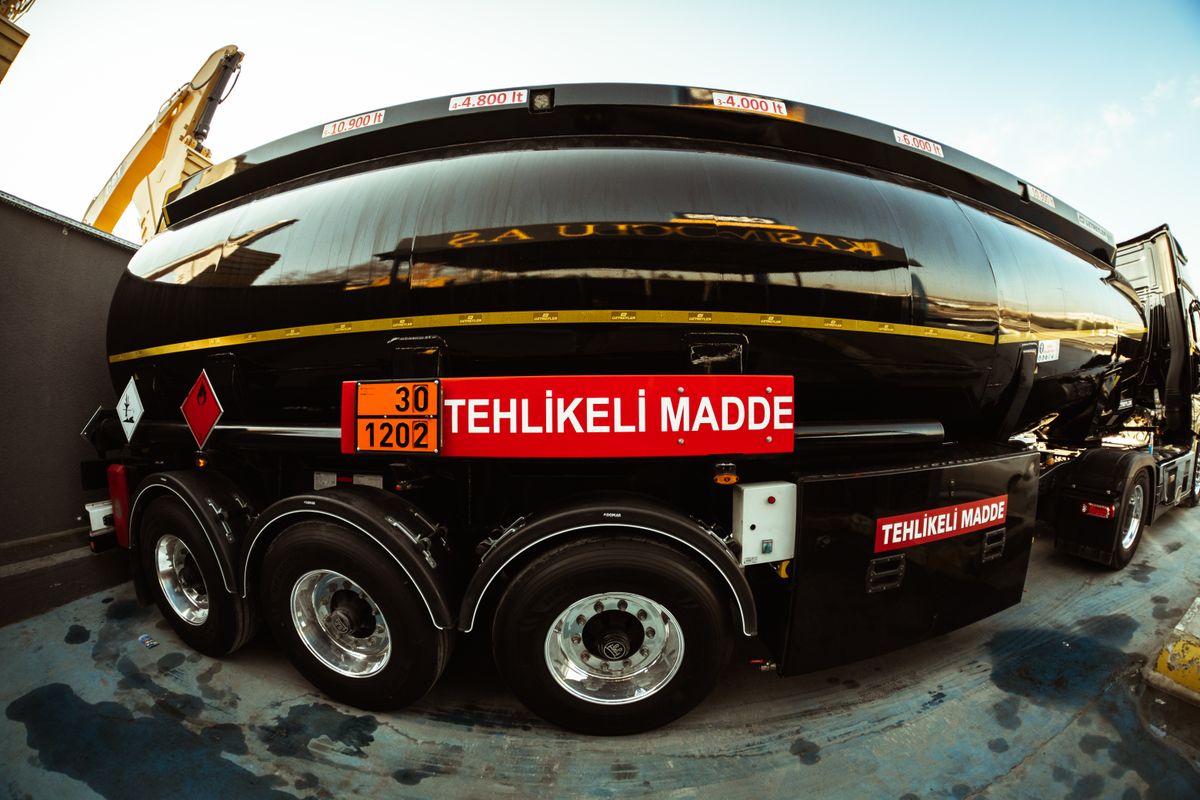
Discover the best hazmat trucking jobs in 2026: fuel hauling, tanker, LTL, and more. Compare pay, home time, and requirements to find your fit.
If you hold a hazmat endorsement, you’re not just a driver; you’re a specialist. That means better pay, more consistent work, and a wider range of job types than a standard dry van driver. But not all hazmat jobs are equal. The best one for you depends on your lifestyle, experience, and tolerance for risk. This guide breaks down the top hazmat trucking jobs in 2026, with realistic pay ranges, pros and cons, and how to get started.
Fuel Hauling
Fuel hauling is the classic hazmat job. You’re delivering gasoline, diesel, and jet fuel to gas stations, airports, and bulk plants. It’s steady, pays well, and often gets you home daily.
Pay: $75,000 to $110,000 per year, depending on region and experience. Some local fuel haulers earn $30 to $35 per hour, plus overtime.
Home time: Mostly local or regional, with many drivers home every day or every other day.
Pros: Consistent demand, good pay, and predictable routes. You’re often done when your route is done, not stuck in traffic.
Cons: Early mornings (often 3 a.m. starts), dealing with tight gas station layouts, and the physical work of dropping hoses and pulling them back. Winter weather can be brutal.
How to get started: Look at major fuel carriers like Pilot Flying J, Love’s, or regional companies. Most require 1 to 2 years of CDL experience, a clean MVR, and a hazmat endorsement. Some will train you on tanker operations.
Tanker Endorsement Jobs (Non-Fuel)
Beyond fuel, tankers haul chemicals, food-grade liquids, and industrial gases. These jobs often pay better than fuel hauling but require more specialized knowledge.
Pay: $80,000 to $120,000 per year. Chemical tanker drivers with 3+ years can earn top dollar.
Home time: Varies widely. Some are regional with weekends home; others are OTR for weeks at a time.
Pros: Higher pay, less physical work than fuel hauling (often just hooking up hoses), and a more technical challenge.
Cons: More dangerous materials, stricter safety protocols, and sometimes longer wait times at chemical plants. You’ll need a tanker endorsement in addition to hazmat.
How to get started: Companies like Schneider, Quality Carriers, and Trimac hire entry-level tanker drivers, but they often prefer some tanker experience. Consider a tanker training program or start with fuel hauling to build experience.
LTL Hazmat (Less-Than-Truckload)
LTL carriers like FedEx Freight, XPO, and Old Dominion move smaller shipments, often including hazmat. These jobs are usually linehaul (night driving between terminals) or P&D (pickup and delivery).
Pay: $70,000 to $95,000 per year for linehaul; P&D can be $60,000 to $80,000 with hourly pay.
Home time: Linehaul drivers are often home daily or every other day. P&D drivers are home nightly.
Pros: Stable company, benefits, and regular hours. You’re not stuck in a truck for weeks.
Cons: Night driving for linehaul, and P&D can involve a lot of stops and physical lifting. Hazmat loads are usually small, but you’re still responsible for compliance.
How to get started: Apply directly to LTL carriers. Many have tuition reimbursement programs and will help you get your hazmat endorsement. Experience with a clean record is key.
Hazmat OTR (Over-the-Road) Dry Van or Reefer
Some OTR companies haul hazmat in dry vans or reefers, like paints, adhesives, or pharmaceuticals. This is the easiest way to get into hazmat without a tanker.
Pay: $60,000 to $85,000 per year for company drivers; owner-operators can gross $150,000 to $200,000 before expenses.
Home time: Usually 2 to 3 weeks out, then a few days home.
Pros: Easier entry, no tanker endorsement required (just hazmat), and you can still get hazmat pay. Good for drivers who like the open road.
Cons: Long time away from home, and you’re still handling hazardous materials, so you need to know the rules.
How to get started: Companies like Swift, Werner, and Schneider hire hazmat OTR drivers. They’ll often pay for your hazmat endorsement if you sign a contract.
Owner-Operator Hazmat
If you own your truck, hazmat loads can be a lucrative niche. You’ll need to find loads on load boards or work with a freight broker.
Pay: Gross $150,000 to $250,000 per year, but net after fuel, maintenance, and insurance can be $80,000 to $120,000. Hazmat loads pay a premium of $0.50 to $1.00 per mile over non-hazmat.
Home time: You control it, but you’ll need to be strategic to maximize earnings.
Pros: Highest earning potential, and you’re your own boss.
Cons: High startup costs, insurance is more expensive (hazmat adds $2,000 to $5,000 per year), and you bear all the risk.
How to get started: Get your own authority, or lease on to a carrier that provides hazmat loads. Build a relationship with a broker who specializes in hazmat.
How to Choose the Best Hazmat Job for You
Start by asking yourself three questions:
- How much home time do you need? If you can’t be away for weeks, stick to local fuel hauling or LTL P&D.
- What’s your experience level? Entry-level drivers should look at OTR hazmat or LTL, not specialized tanker work.
- What’s your risk tolerance? Fuel and chemical hauling pay more but come with higher stakes. If you’re nervous, start with dry van hazmat.
Once you narrow it down, research companies on job boards like Indeed or TruckersReport. Check reviews from current drivers, and don’t be afraid to ask about hazmat pay premiums during interviews.
FAQ
Q: Do I need a hazmat endorsement to start? A: Yes, you need a Class A CDL with a hazmat endorsement (X). That requires passing a written test, a background check, and a TSA threat assessment. It costs about $100 to $200 and takes a few weeks.
Q: What’s the difference between hazmat and tanker endorsements? A: Hazmat (X) allows you to haul hazardous materials. Tanker (N) allows you to haul liquids in bulk. Many hazmat tanker jobs require both. You can get them separately or combined as an X endorsement.
Q: Is hazmat trucking dangerous? A: With proper training and compliance, it’s as safe as any trucking job. The risk is higher if you cut corners, but companies that haul hazmat have strict safety protocols. The biggest danger is often the other drivers on the road.
Q: How much more does hazmat pay? A: Expect a premium of $0.02 to $0.05 per mile for company drivers, or $0.50 to $1.00 per mile for owner-operators. Some local jobs pay a flat hourly premium of $1 to $3 per hour.
The Bottom Line
The best hazmat trucking job is the one that matches your lifestyle and goals. If you want to be home every night and don’t mind early mornings, fuel hauling is a solid choice. If you want to maximize income and have tanker experience, chemical hauling pays top dollar. For new hazmat drivers, LTL or OTR dry van is the easiest entry point. Whatever you choose, the hazmat endorsement opens doors that standard CDL drivers don’t have. Take the time to research, ask questions, and pick a company that values your safety. That’s how you turn a hazmat endorsement into a career you can build on.