Average Diesel Price Over Time
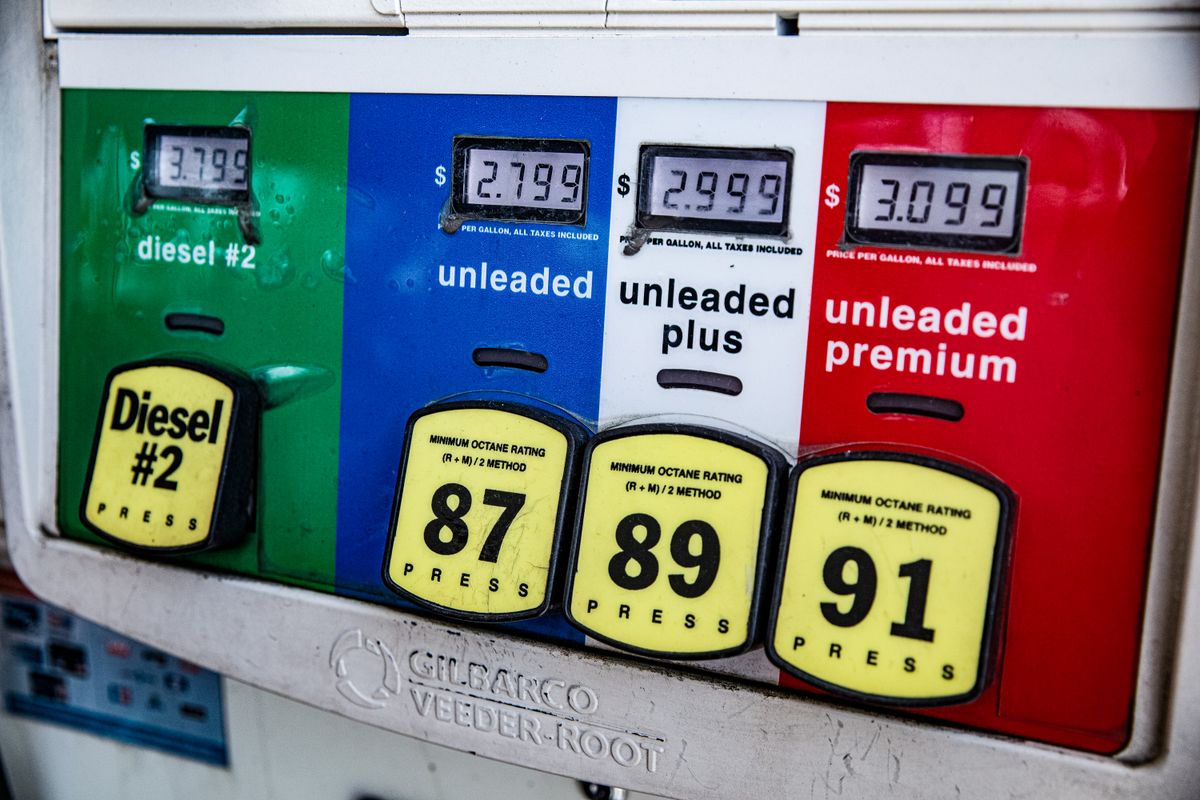
Track diesel price trends from 2000 to 2026, see current averages, and get practical tips to manage fuel costs.
Diesel prices have swung wildly over the past two decades, from under $1.50 a gallon in 2000 to over $5.00 in 2022. As of early 2026, the national average sits around $3.80-$4.20 per gallon, but your actual cost depends on region, taxes, and market conditions. This guide breaks down historical trends, current averages, and actionable steps to keep your fuel budget in check.
Diesel Price History: 2000 to 2026
Diesel prices have been anything but stable. Here’s a look at key milestones:
- 2000-2004: Prices hovered between $1.50 and $2.00 per gallon. The economy was growing, and fuel costs were a minor line item.
- 2005-2008: Hurricane Katrina (2005) and surging global demand pushed prices to $4.76 by July 2008. The Great Recession then crashed prices to $2.20 by early 2009.
- 2010-2014: Recovery brought prices back to $3.50-$4.00, peaking at $4.11 in 2012.
- 2015-2019: A shale boom and OPEC decisions dropped prices to $2.50-$3.00. The 2016 low was around $2.10.
- 2020: COVID-19 caused a historic crash, with diesel briefly below $2.00 in April.
- 2021-2022: Post-pandemic demand and the Russia-Ukraine conflict sent prices to record highs, peaking at $5.75 in June 2022.
- 2023-2025: Prices gradually fell but remained elevated, averaging $3.50-$4.50.
- 2026 (current): As of February 2026, the national average is approximately $3.80-$4.20 per gallon, with regional variations.
Historical Average Prices (Annual U.S. Average, $/gallon)
| Year | Average Price |
|---|---|
| 2000 | $1.51 |
| 2005 | $2.40 |
| 2008 | $3.80 |
| 2012 | $3.95 |
| 2016 | $2.30 |
| 2020 | $2.60 |
| 2022 | $5.10 |
| 2024 | $3.90 |
| 2026 (Jan) | $3.95 |
Note: Figures are approximate U.S. averages. Source: EIA data (check current EIA reports for updates).
Current Diesel Prices (2026)
As of early 2026, the national average for on-highway diesel is about $3.80-$4.20 per gallon. But prices vary significantly by region:
- Northeast: Higher taxes and heating demand push prices to $4.00-$4.40.
- Southeast: Generally lower, around $3.60-$3.90.
- Midwest: $3.70-$4.00, with seasonal swings.
- West Coast: The highest in the nation, often $4.50-$5.00 due to stricter fuel standards and taxes.
- Rockies: $3.80-$4.10.
These ranges are based on EIA data from January 2026. Check the EIA website for weekly updates.
Factors That Drive Diesel Prices
Understanding what moves prices helps you anticipate changes:
- Crude oil costs: Diesel is refined from crude, so oil price changes directly affect diesel. When oil rises, diesel follows.
- Seasonal demand: Winter heating demand for diesel (used in home heating) can push prices up in cold months. Summer driving season also boosts demand.
- Refinery capacity: When refineries undergo maintenance (spring/fall), supply tightens and prices rise.
- Taxes: Federal excise tax is $0.244 per gallon, but state taxes vary from $0.20 to $0.60 or more. California adds about $0.50 in state taxes.
- Global events: Geopolitical tensions, OPEC decisions, and natural disasters can cause spikes.
How to Manage Fuel Costs (Practical Steps)
You can’t control the market, but you can control your fuel spending. Here’s what to do this week:
- Use fuel discount apps: Apps like Trucker Path, Fuelio, or Mudflap offer per-gallon discounts at participating stations. You can save $0.10-$0.50 per gallon.
- Plan your route around fuel stops: Use a fuel card or app to find the cheapest diesel along your route. Avoid filling up at highway rest stops where prices are often higher.
- Monitor your MPG: Track your miles per gallon. A drop of 0.5 MPG can cost you an extra $1,000 per year. Check tire pressure, air filters, and avoid idling.
- Consider a fuel card: Many fuel cards offer discounts and rebates. Compare options: some charge fees, others offer up to $0.15/gal rebates. Look for no-fee cards with good networks.
- Buy in bulk if you have storage: If you own a shop or have tank capacity, buying fuel in bulk can save $0.20-$0.40 per gallon, but you need to manage storage and taxes.
- Use a fuel management service: Services like FleetCor or WEX can help you track purchases and identify savings, but they may charge fees.
Fuel Price Comparison: Options for Saving
| Method | Potential Savings | Cost/Effort | Best For |
|---|---|---|---|
| Fuel discount apps | $0.10-$0.50/gal | Free, easy | Owner-operators |
| Fuel cards (e.g., Pilot/Flying J, Love’s) | Up to $0.15/gal rebate | Free to join, but may have fees | Small fleets |
| Bulk fuel storage | $0.20-$0.40/gal | High upfront cost | Fleets with fixed routes |
| Fuel management services | $0.05-$0.10/gal net | Monthly fees | Larger fleets |
| Route optimization software | 5-10% fuel savings | Subscription $50-$200/month | All drivers |
FAQ
Q: Will diesel prices go up or down in 2026?
A: Analysts expect prices to stay in the $3.50-$4.50 range, barring major geopolitical events. OPEC production decisions and global demand will be key. Check EIA forecasts for monthly updates.
Q: Why is diesel more expensive than gasoline?
A: Diesel has higher federal and state taxes, and U.S. refineries produce less diesel per barrel than gasoline. Also, global demand for diesel (for trucks, ships, and heating) is strong.
Q: How can I find the cheapest diesel near me?
A: Use apps like Trucker Path or GasBuddy (has a diesel filter). Also, check state fuel price reports from the EIA. Plan stops in advance.
Q: Is it worth buying a fuel card?
A: For most drivers, yes. A good fuel card can save $0.05-$0.15 per gallon, and many have no monthly fees. Compare cards at sites like TruckersReport or FuelCardStop.
The Bottom Line
Diesel prices have been volatile, but as of early 2026, you can expect to pay around $3.80-$4.20 per gallon nationally. The key to managing fuel costs is to stay informed, use available tools, and optimize your driving habits. Start with a fuel discount app and a fuel card, track your MPG, and plan your routes around cheaper fuel. Every cent per gallon counts, so make smart choices today.
For the latest prices, check the EIA’s weekly diesel price report or your fuel card’s price index. Keep an eye on global news and plan accordingly. Your bottom line depends on it.