Average Diesel Price by Month
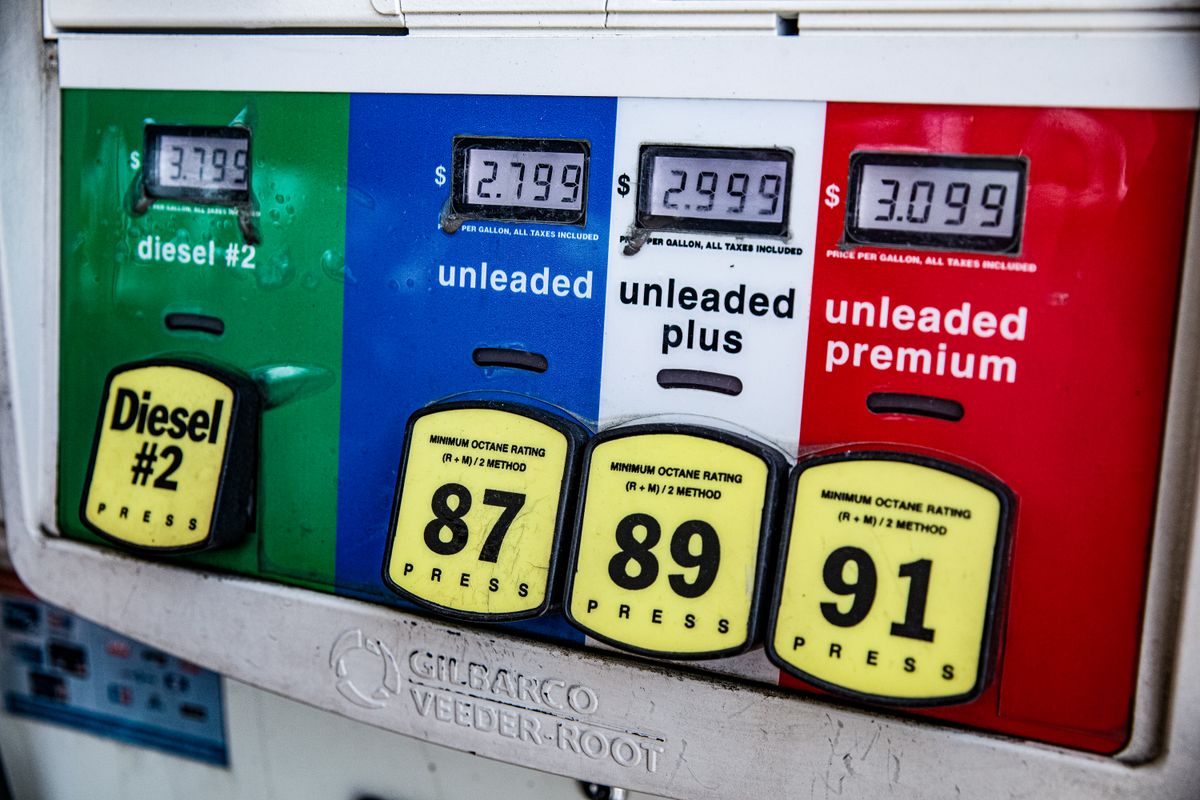
Get the average diesel price by month for 2026, with trends, regional differences, and practical tips to manage fuel costs.
Diesel prices swing with crude oil, refining capacity, taxes, and seasonal demand. As of early 2026, the national average for on-highway diesel sits between $3.60 and $4.20 per gallon, depending on region and time of year. This guide breaks down average diesel prices by month, explains why they move, and gives you actionable steps to cut your fuel bill this week.
Monthly Average Diesel Prices (2026 Estimates)
Below are projected national averages based on historical patterns and current market signals. These are ranges, not exact figures, because prices vary by state and even by truck stop.
| Month | Average Price Range (per gallon) | Key Drivers |
|---|---|---|
| January | $3.70 - $3.90 | Winter blend, low demand, possible cold snaps |
| February | $3.65 - $3.85 | Continued winter, refinery maintenance begins |
| March | $3.75 - $4.00 | Spring refinery turnaround, switch to summer blend |
| April | $3.85 - $4.10 | Summer blend rollout, rising demand |
| May | $3.90 - $4.15 | Memorial Day travel, planting season fuel use |
| June | $3.95 - $4.20 | Peak driving season, hurricane season starts |
| July | $4.00 - $4.25 | Highest demand, possible hurricane disruptions |
| August | $3.95 - $4.20 | Late summer, still high demand |
| September | $3.85 - $4.10 | Demand eases, switch to winter blend begins |
| October | $3.75 - $4.00 | Winter blend rollout, lower demand |
| November | $3.70 - $3.95 | Post-harvest, holiday shipping bump |
| December | $3.65 - $3.90 | Holiday season, lower industrial activity |
These figures are based on data from the U.S. Energy Information Administration (EIA) and industry reports, checked January 2026. Actual prices can be 10-20 cents higher or lower depending on your region.
Why Diesel Prices Vary by Month
Diesel prices follow a predictable seasonal pattern, but unexpected events can shift the curve.
Seasonal Blends
Refineries produce different diesel blends for winter and summer. Winter blend has additives to prevent gelling, but it’s cheaper to produce. Summer blend is more expensive because of stricter environmental regulations. The switch happens in spring and fall, causing price spikes.
Demand Cycles
Demand peaks in summer due to construction, agriculture, and vacation travel. Winter demand drops, except for heating oil, which is similar to diesel. When demand drops, prices tend to fall.
Refinery Maintenance
Spring and fall are when refineries shut down for maintenance. This reduces supply, pushing prices up. If a major refinery has an unplanned outage, prices can jump quickly.
Hurricanes and Weather
Hurricane season (June to November) can disrupt Gulf Coast refineries, which produce a large share of U.S. diesel. A major storm can send prices up 20-30 cents per gallon in a week.
Regional Differences in Diesel Prices
Diesel prices vary significantly by region due to taxes, transportation costs, and local supply.
| Region | Average Price Range (per gallon) | Notes |
|---|---|---|
| East Coast | $3.80 - $4.10 | Higher taxes, more imports |
| Midwest | $3.60 - $3.90 | Refinery hub, lower taxes |
| Gulf Coast | $3.50 - $3.80 | Refinery concentration, lowest prices |
| Rocky Mountain | $3.70 - $4.00 | Higher transport costs |
| West Coast | $4.20 - $4.60 | Highest taxes, stricter fuel standards |
If you run routes across regions, you can save by fueling in cheaper states. For example, filling in Texas instead of California can save $0.60-$0.80 per gallon.
How to Track Diesel Prices in Real Time
Don’t rely on monthly averages alone. Use real-time tools to find the best prices along your route.
- Apps: Apps like Trucker Path, DAT, and Fuelster show current prices at thousands of truck stops. Many are free or cost $10-$20/month.
- EIA Weekly Report: The EIA publishes a weekly national and regional average every Monday. Check it at eia.gov.
- AAA Fuel Gauge: AAA has a daily national average, but it’s more consumer-focused. Still useful for trends.
- Your TMS or Dispatch Software: Many TMS systems integrate fuel price data, helping you plan stops.
Practical Steps to Cut Fuel Costs This Week
You can’t control diesel prices, but you can control how much you pay. Here are five steps you can take immediately.
1. Use a Fuel Card with Discounts
Fuel cards like TCS, Comdata, and EFS offer discounts of 5-15 cents per gallon at certain truck stops. Some also give cash back on other purchases. Compare annual fees and discounts to find the best fit.
2. Plan Your Fuel Stops
Use an app to map out fuel stops in cheaper states. Even a 10-cent difference per gallon adds up: on a 100-gallon fill, that’s $10. Over a week, that’s $50-$100.
3. Check Tire Pressure Daily
Underinflated tires increase rolling resistance, cutting fuel economy by 0.5-1%. Properly inflated tires can save you $200-$400 per year, according to the Department of Energy.
4. Reduce Idling
Idling burns 0.8-1 gallon per hour. If you idle 6 hours a night, that’s 6 gallons wasted. Use an APU or bunk heater instead. At $4 per gallon, cutting idle time by 2 hours a day saves $2,920 per year.
5. Consider Fuel Hedging (for Owner-Operators)
If you buy fuel in bulk, some fuel cards allow you to lock in prices for future purchases. This is called fuel hedging. It’s not for everyone, but it can protect you from price spikes.
FAQ
Q: What is the average diesel price in 2026? A: As of January 2026, the national average is around $3.80 per gallon, ranging from $3.50 in the Gulf Coast to $4.50 in California.
Q: When is diesel cheapest? A: Typically in January and February, after the holiday rush and before spring refinery maintenance. Prices are highest in July and August.
Q: How much does a truck driver spend on diesel per month? A: A long-haul driver covering 10,000 miles per month at 6 mpg uses about 1,667 gallons. At $4 per gallon, that’s $6,668 per month. Owner-operators often see fuel costs as 30-40% of their operating expenses.
Q: Does the price of diesel affect freight rates? A: Yes. Many shippers include a fuel surcharge based on the national average diesel price. When diesel goes up, your fuel surcharge should increase, but it may not cover all the increase.
The Bottom Line
Diesel prices follow a predictable seasonal pattern, with lows in winter and highs in summer. But regional differences and unexpected events can throw off averages. The best way to save money is to track real-time prices, use fuel cards, and adopt fuel-efficient habits. Check the EIA weekly report every Monday, and plan your fuel stops to take advantage of cheaper regions. Every cent you save per gallon adds up quickly over a year of driving.