Are Pickup Trucks Fuel Efficient
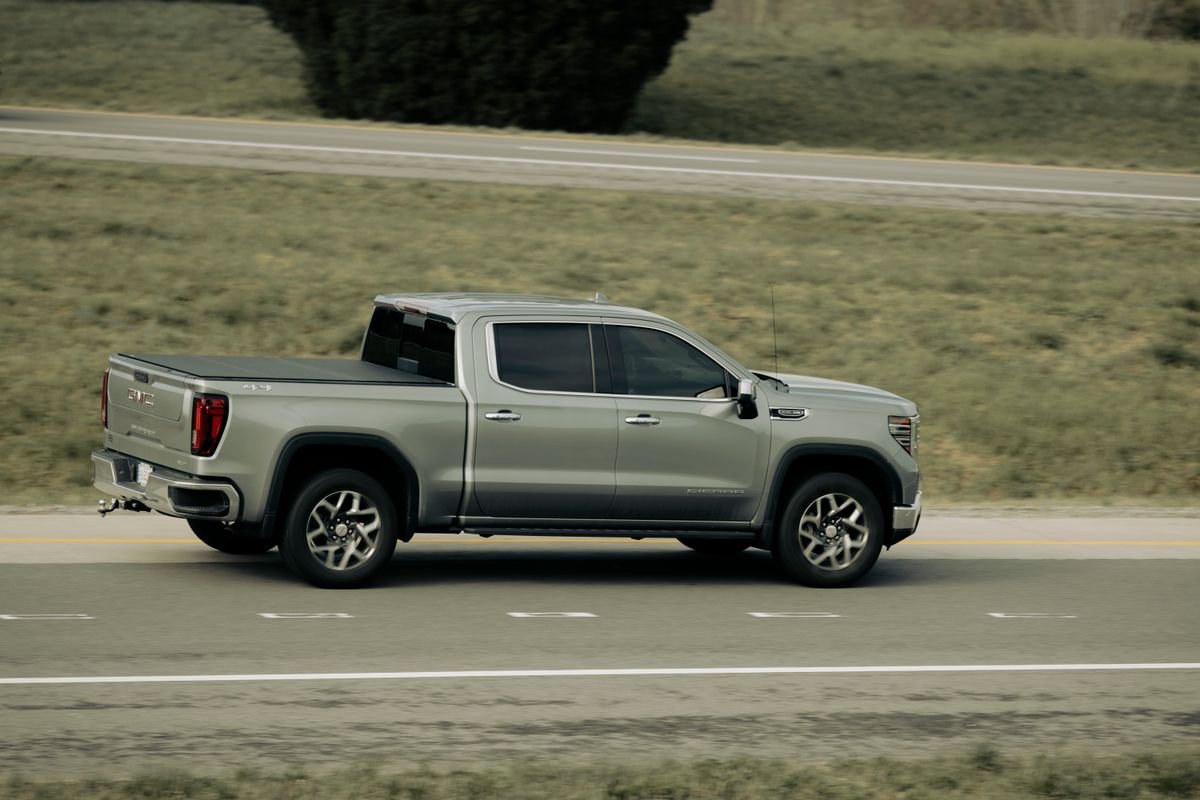
Find out if pickup trucks are fuel efficient in 2026, with real MPG figures, cost comparisons, and practical tips to improve your truck's fuel economy.
Are pickup trucks fuel efficient? The short answer is: it depends on the model, engine, and how you drive. In 2026, the most efficient half-ton pickups achieve around 23-26 MPG on the highway, while heavy-duty trucks and older models often get 12-18 MPG. For truck owners, fuel is a major operating cost, so understanding what affects efficiency and how to improve it can save you thousands per year.
What Affects Pickup Truck Fuel Economy
Several factors determine a pickup’s fuel efficiency:
- Engine size and type: Smaller turbocharged engines (like 2.7L or 3.0L diesel) typically get better MPG than large V8s. Diesel engines offer 20-30% better fuel economy than gasoline equivalents.
- Drivetrain: 4WD systems add weight and driveline drag, reducing MPG by 1-2 MPG compared to 2WD.
- Aerodynamics: Tall, boxy trucks have high drag, especially at highway speeds. Adding a tonneau cover can improve highway MPG by 1-2 MPG.
- Weight and load: Heavier loads reduce efficiency. Every 100 lbs of extra weight can cut MPG by 1%.
- Driving habits: Aggressive acceleration, speeding, and idling can lower MPG by 10-30%.
- Maintenance: Underinflated tires, dirty air filters, and worn spark plugs reduce efficiency.
Real-World MPG Figures for Popular 2026 Pickups
Here are estimated highway MPG figures for common 2026 models (based on manufacturer estimates and owner reports):
| Model | Engine | MPG (Highway) |
|---|---|---|
| Ford F-150 | 2.7L EcoBoost V6 | 23-26 |
| Ford F-150 | 3.5L PowerBoost Hybrid | 24-27 |
| Chevrolet Silverado 1500 | 3.0L Duramax Diesel | 25-28 |
| Ram 1500 | 3.6L V6 eTorque | 22-25 |
| Toyota Tundra | 3.5L Twin-Turbo V6 | 22-24 |
| Ford F-250 | 6.7L Power Stroke Diesel | 18-21 |
Note: These are highway estimates. City MPG is typically 3-6 MPG lower. Heavy-duty trucks (2500/3500 series) are less efficient due to their size and towing capability.
Cost of Fuel for Pickup Trucks
Fuel costs vary by region and driving habits. As of 2026, the average U.S. diesel price is around $3.80-$4.20 per gallon, and gasoline is $3.20-$3.60 per gallon. Here’s a cost comparison for a typical 15,000-mile annual driving scenario:
| Truck Type | Avg MPG | Annual Fuel Cost (Gas) | Annual Fuel Cost (Diesel) |
|---|---|---|---|
| Efficient half-ton (gas) | 24 | $2,000-$2,250 | N/A |
| Efficient half-ton (diesel) | 27 | N/A | $2,100-$2,350 |
| Heavy-duty diesel | 19 | N/A | $3,000-$3,350 |
These figures assume 55% highway driving. If you tow regularly, expect costs to rise by 20-40%.
How to Improve Your Pickup’s Fuel Efficiency
You can take these steps this week to boost MPG:
- Check tire pressure: Underinflated tires can reduce MPG by 0.2% for every 1 PSI drop. Inflate to the recommended pressure on the door sticker.
- Remove unnecessary weight: Clean out tools, gear, and bed covers that you don’t need. Every 100 lbs reduces efficiency.
- Use cruise control on highways: Maintaining a steady speed saves fuel. Set it to the speed limit.
- Avoid idling: If you’re stopped for more than 30 seconds, turn off the engine. Idling burns 0.5-1 gallon per hour.
- Use the right oil: Use the manufacturer’s recommended viscosity. The wrong oil can increase friction and reduce MPG.
- Replace air filters: A clogged air filter can reduce MPG by up to 10% in older trucks. Check it monthly.
- Plan your routes: Avoid stop-and-go traffic and use apps like Waze or Google Maps to find the most efficient route.
For diesel trucks, also consider using a fuel additive to keep injectors clean, which can improve efficiency by 2-3%.
Diesel vs. Gasoline: Which Is More Efficient?
Diesel engines are inherently more efficient because diesel fuel contains about 10-15% more energy per gallon than gasoline. In pickups, the difference is noticeable:
- Diesel: 25-28 MPG highway in half-tons, but fuel costs more per gallon.
- Gasoline: 22-26 MPG highway in half-tons, but fuel is cheaper.
If you drive 15,000 miles a year, a diesel might save you $200-$400 annually in fuel, but the engine costs $5,000-$10,000 more upfront. For most drivers, the payback takes 5-10 years, so it’s only worth it if you tow heavy loads or drive high mileage.
Hybrid and Electric Pickups
Hybrid pickups, like the Ford F-150 PowerBoost, offer improved city MPG (around 25 MPG combined) but not a huge highway advantage. Electric pickups, like the Rivian R1T or Ford F-150 Lightning, have no fuel costs, but their range is limited (200-320 miles), and charging infrastructure is still growing. For long-haul trucking, electric is not yet practical, but for local use, they can cut fuel costs to near zero.
FAQ
What is the most fuel-efficient pickup truck in 2026?
The most efficient half-ton pickup is the Chevrolet Silverado 1500 with the 3.0L Duramax diesel, achieving up to 28 MPG highway. Among gas models, the Ford F-150 with the 2.7L EcoBoost is close at 26 MPG.
How much does it cost to fill up a pickup truck?
A typical half-ton pickup has a 26-36 gallon tank. At $3.50 per gallon for gas, a full tank costs $91-$126. For diesel at $4.00, it’s $104-$144.
Does using 4WD reduce fuel economy?
Yes, 4WD can reduce MPG by 1-2 MPG because of added weight and driveline drag. Use 2WD when you don’t need 4WD.
Can a tonneau cover improve fuel economy?
Yes, a tonneau cover can improve highway MPG by 1-2 MPG by reducing aerodynamic drag in the bed. It’s most effective at speeds above 55 mph.
The bottom line
Pickup trucks are not the most fuel-efficient vehicles, but modern half-tons can achieve respectable MPG if you choose the right engine and drive smart. Diesel and hybrid options offer better efficiency but come with higher upfront costs. By maintaining your truck, adjusting your driving habits, and keeping loads light, you can improve fuel economy by 10-20%, saving hundreds of dollars a year. For truck owners, every MPG counts, so take the steps above to get the most out of every gallon.