Best Company Fuel Cards
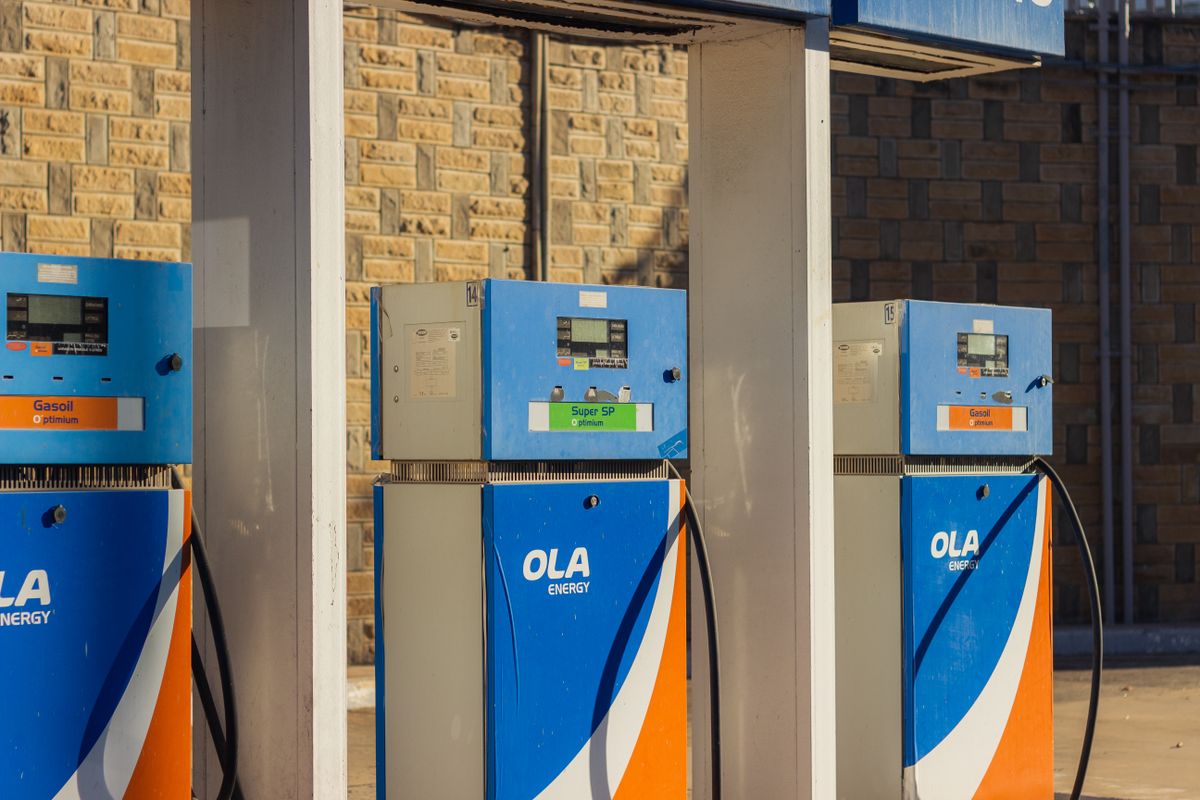
Compare the best company fuel cards for truckers in 2026: fees, discounts, features, and how to choose. Get practical steps and a side-by-side table.
If you’re a truck driver, owner-operator, or small fleet owner, a company fuel card can save you real money and cut administrative headaches. The best card for you depends on your fleet size, typical routes, and how much you value discounts versus control features. This guide breaks down the top options with current fee ranges and practical advice so you can pick the right one this week.
What to Look for in a Fuel Card
Before diving into specific cards, know the key factors that separate a good card from a bad one:
- Discounts: Most cards offer per-gallon discounts at branded or network stations. These range from $0.05 to $0.30 per gallon, but often only at specific locations. Check if the discount applies at your usual stops.
- Transaction fees: Some cards charge a flat fee per transaction (e.g., $0.15 to $0.50) or a monthly fee ($5 to $15). High transaction fees can eat into your savings if you fuel often.
- Network size: A card with a huge network (like Comdata or EFS) is more flexible, but smaller networks (like Mudflap) may offer deeper discounts at fewer places.
- Fuel management features: Real-time tracking, driver PINs, spending limits, and IFTA reporting are standard on most cards. Advanced features like geofencing or fuel tax automation may cost extra.
- Billing and payment terms: Some cards require weekly or monthly payment, while others offer prepaid options. Late fees can be steep, so know the terms.
Top Fuel Cards Compared
Here’s a side-by-side look at six popular fuel cards in 2026. Fees and discounts vary by issuer and your credit, so treat these as realistic ranges.
| Card | Best For | Discount Range | Transaction Fee | Monthly Fee | Key Features |
|---|---|---|---|---|---|
| Comdata | Large fleets, over-the-road | $0.05-$0.15/gal | $0.15-$0.35 | $5-$10 | Huge network, fuel tax reporting, driver tracking |
| EFS | Fleets needing flexible controls | $0.05-$0.20/gal | $0.10-$0.30 | $5-$12 | Custom spending limits, real-time alerts, mobile app |
| FleetCor (Fuelman) | Small to mid fleets | $0.05-$0.15/gal | $0.10-$0.25 | $0-$10 | Wide network, easy online management, discounts at major brands |
| Mudflap | Owner-operators, small fleets | $0.15-$0.30/gal | $0 (no transaction fee) | $0 (free plan) | Discounts at independent stations, app-based, no credit check |
| WEX | Mixed fleets, fuel + maintenance | $0.05-$0.12/gal | $0.15-$0.40 | $5-$15 | Accepts at many brands, maintenance tracking, driver profiles |
| TruckCard | Small fleets with poor credit | $0.05-$0.10/gal | $0.20-$0.50 | $0-$10 | No credit check, prepaid options, simple reporting |
Note: Discounts are per gallon and often tiered based on volume. Transaction fees apply per fuel purchase. Monthly fees may be waived with high volume.
How to Choose the Right Card
Follow these steps to pick the best card for your operation:
- List your fueling habits. Note where you fuel most (branded stations vs. independents), how many gallons you buy per week, and how many drivers you have.
- Calculate potential savings. For each card, estimate your monthly discount: gallons per week x 4.33 x discount per gallon. Subtract transaction and monthly fees. Example: 500 gallons/week at $0.20 discount = $100/week, or $433/month. If fees are $30/month, net savings are $403.
- Check network coverage. Visit the card issuer’s website and see if your regular stops are in-network. A card with a poor network will force you to detour, costing time and fuel.
- Evaluate control features. If you have multiple drivers, look for PIN-based controls, spending limits, and real-time alerts. If you’re a solo owner-operator, you may not need these.
- Read the fine print. Look for hidden fees: late payment penalties, card replacement fees, or inactivity fees. Call customer service with questions.
- Test with a small trial. Many issuers let you start with one card. Use it for a month, track your savings, and compare to your current method.
Real Numbers: What You Can Save
Let’s put this in perspective. An owner-operator driving 2,500 miles per week at 6 mpg uses about 417 gallons per week. At a $0.20 discount, that’s $83.40 per week, or $361 per month. Even after a $10 monthly fee and $0.30 transaction fee (say 2 transactions per week = $2.60/month), you net around $348/month. Over a year, that’s over $4,000.
If you fuel at independent stations with Mudflap, discounts can hit $0.30/gal, saving $125/week or $541/month. No transaction fees, but you may have fewer stations. The trade-off is flexibility.
For a small fleet of 5 trucks, the numbers multiply. At 2,000 gallons per week total, a $0.15 discount saves $300/week, or $1,300/month. Fees are minimal. That’s why even small fleets should use a fuel card.
FAQ
Can I get a fuel card with bad credit? Yes. Cards like TruckCard and Mudflap offer options without credit checks or with prepaid plans. You may pay higher transaction fees or have lower discounts, but it’s still better than using a personal credit card.
Are fuel card discounts worth it if I only fuel once a week? Probably. Even one fill-up per week at 100 gallons with a $0.10 discount saves $10/week, or $43/month. After fees, you might net $30. It’s not huge, but it adds up. If you fuel less than 50 gallons a week, fees may wipe out savings, so do the math.
Do fuel cards work at all truck stops? No. Each card has a network. Comdata and EFS have the largest networks, covering most major truck stops like Pilot, Flying J, Love’s, and TA. Mudflap focuses on independent stations, which are often cheaper but less common. Always check the network map.
Can I use a fuel card for other expenses like repairs? Some cards, like WEX and Comdata, allow purchases at authorized service centers for maintenance. Others are fuel-only. If you need to track maintenance costs, look for a card with that feature.
The bottom line
The best company fuel card is the one that matches your fueling patterns and gives you the highest net savings after fees. For most owner-operators, Mudflap offers the best discounts with no fees, but its network is limited. For fleets that need wide coverage and management tools, Comdata or EFS are solid choices. Start by calculating your potential savings with the steps above, then apply for a card with a trial period. You can switch later if it doesn’t work out. The key is to act now: fuel cards are one of the few ways to cut costs without changing your routes or driving habits.