Freight Broker vs Motor Carrier
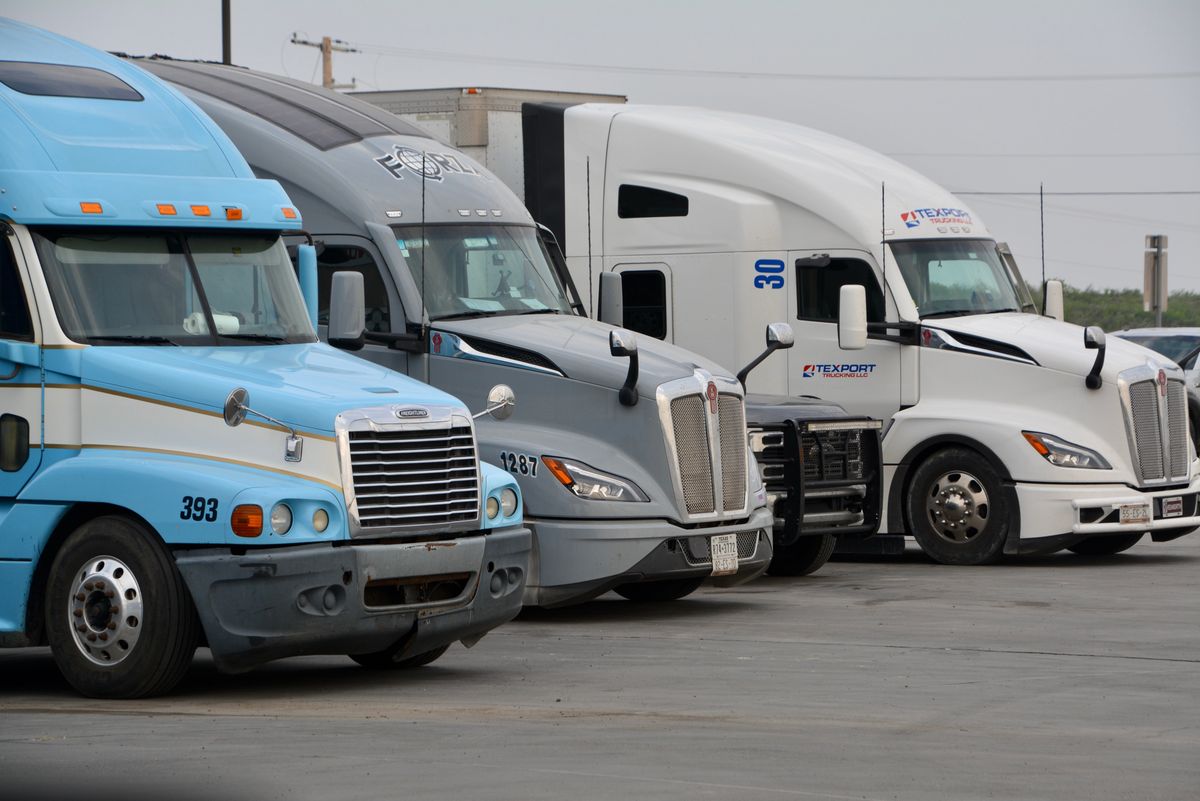
Compare freight broker vs motor carrier roles: duties, costs, earnings, and risks. See which fits your goals with a side-by-side breakdown.
If you’re trying to decide between becoming a freight broker or running a motor carrier operation, you’re weighing two very different business models. A freight broker connects shippers with carriers and earns a commission on the freight bill. A motor carrier owns trucks, employs drivers, and moves the freight itself. Both can be profitable, but they require different capital, skills, and risk tolerance. This guide breaks down the key differences so you can choose the path that fits your situation.
What a Freight Broker Does
A freight broker acts as the middleman between a shipper (who needs goods moved) and a carrier (who has the trucks). You find the load, negotiate the rate, and arrange the pickup and delivery. You don’t touch the freight or own equipment. Your revenue comes from the spread between what you charge the shipper and what you pay the carrier, typically 10% to 20% of the total freight bill.
Key responsibilities:
- Build relationships with shippers to secure freight
- Find reliable carriers to cover loads
- Negotiate rates and contracts
- Handle paperwork, including bills of lading and rate confirmations
- Track shipments and resolve issues
- Ensure carriers have proper insurance and authority
What a Motor Carrier Does
A motor carrier is the actual trucking company. You own or lease tractors and trailers, hire drivers (or drive yourself), and are responsible for moving the freight safely and on time. You deal with maintenance, fuel, driver compliance, and all the operational headaches. Your revenue is the full freight rate you charge the shipper, but you also pay all the costs.
Key responsibilities:
- Maintain trucks and trailers (DOT inspections, repairs)
- Hire and manage drivers (or drive solo)
- Manage fuel, tolls, and other operating expenses
- Ensure compliance with HOS, ELD, and DOT regulations
- Handle cargo claims and liability
- Dispatch and route planning
Cost Comparison: Startup and Monthly
| Cost Category | Freight Broker | Motor Carrier |
|---|---|---|
| Startup capital | $10,000-$20,000 (bond, software, office) | $150,000-$250,000 per truck (new rig) or $50,000-$100,000 used |
| Monthly operating | $2,000-$5,000 (software, phone, marketing) | $15,000-$25,000 per truck (fuel, maintenance, driver pay, insurance) |
| Insurance | $5,000-$10,000/year (errors & omissions, bond) | $15,000-$25,000/year per truck (liability, cargo, physical damage) |
| Licensing | $300-$500 (MC number, bond) | $1,000-$2,000 (IRP, IFTA, authority) |
| Revenue potential | 10%-20% of freight bill per load | Full freight rate minus costs |
Note: These figures are 2026 estimates. Actual costs vary by region, equipment age, and coverage.
Earnings and Profit Potential
Freight broker: Your income is tied to the volume of loads you book. A solo broker might gross $60,000-$120,000 per year, but that’s before overhead. Experienced brokers with a solid client base can earn $150,000-$300,000 or more. The upside is that you can scale without buying trucks.
Motor carrier: Owner-operators (one truck) typically net $50,000-$100,000 after expenses, depending on lanes and freight rates. A small fleet of 5-10 trucks can net $200,000-$500,000 if managed well. But you’re exposed to equipment breakdowns, fuel spikes, and driver turnover.
Risk and Liability
Freight broker: Your main risk is financial, not physical. You’re liable for broker fraud or if a carrier fails to deliver, but you can mitigate with vetting and insurance. You don’t face DOT safety audits or roadside inspections.
Motor carrier: You carry the full liability. A single accident can cost millions in damages. You’re subject to DOT compliance, random inspections, and CSA scores. Driver errors, equipment failures, and weather all hit your bottom line directly.
Lifestyle and Time Commitment
Freight broker: You work from an office or home, usually 8-10 hours a day, but you’re on call for emergencies. You deal with phones, emails, and computer screens. It’s a desk job with high stress during peak times.
Motor carrier: If you drive, you’re on the road for weeks at a time. If you manage drivers, you’re still working long hours, often 60-70 per week, handling dispatch, maintenance, and customer calls. The lifestyle is physically demanding and requires being away from home.
Which One Is Right for You?
Choose freight brokering if you:
- Have strong sales and negotiation skills
- Prefer a desk job and can handle high-stress phone work
- Have limited capital (under $20,000)
- Want to scale without buying equipment
Choose motor carrier if you:
- Enjoy driving and the open road
- Have mechanical aptitude or experience with trucks
- Can secure $50,000-$250,000 in financing
- Are comfortable with high liability and physical work
Practical Steps to Take This Week
If you’re leaning broker:
- Research your state’s requirements for a freight broker bond (typically $75,000, but you pay a premium of $1,500-$3,000/year).
- Sign up for a load board trial (DAT, Truckstop) to see how rates move.
- Shadow a broker or take an online course (e.g., Freight Broker Bootcamp) to learn the ropes.
If you’re leaning carrier:
- Get your CDL if you don’t have one (costs $3,000-$7,000 for training).
- Calculate your cost per mile using current fuel prices ($3.50-$4.50/gallon) and maintenance (15-20 cents/mile).
- Talk to 2-3 insurance agents for quotes to see if the numbers work.
FAQ
Can you do both? Yes, some brokers become carriers and vice versa, but it’s rare to do both simultaneously due to time and capital demands. Start with one and add the other later if you have the resources.
Which has higher startup costs? Motor carrier, by far. A single used truck can cost $50,000-$100,000, plus insurance and maintenance. A broker can start for under $10,000 if you work from home.
Which is more profitable long-term? It depends on your scale. A well-run carrier with multiple trucks can out-earn a solo broker, but the broker has lower risk and can scale with less capital. Both can be profitable if you’re disciplined.
Do I need a CDL to be a broker? No, brokers don’t need a CDL. You only need a surety bond and FMCSA authority. Carriers need a CDL if they drive, but if you hire drivers, you only need a non-driver’s license.
The Bottom Line
Freight brokering and motor carrying are two different businesses. Brokering is a lower-cost, lower-risk path that rewards sales and relationship skills. Motor carrying is capital-intensive, high-risk, but can offer higher direct profits. Your choice should align with your budget, personality, and willingness to take on physical and financial risk. Start by crunching the numbers for your specific situation, and talk to people already in the field. Both paths are viable, but only one will fit you.