Freight Broker vs 3PL
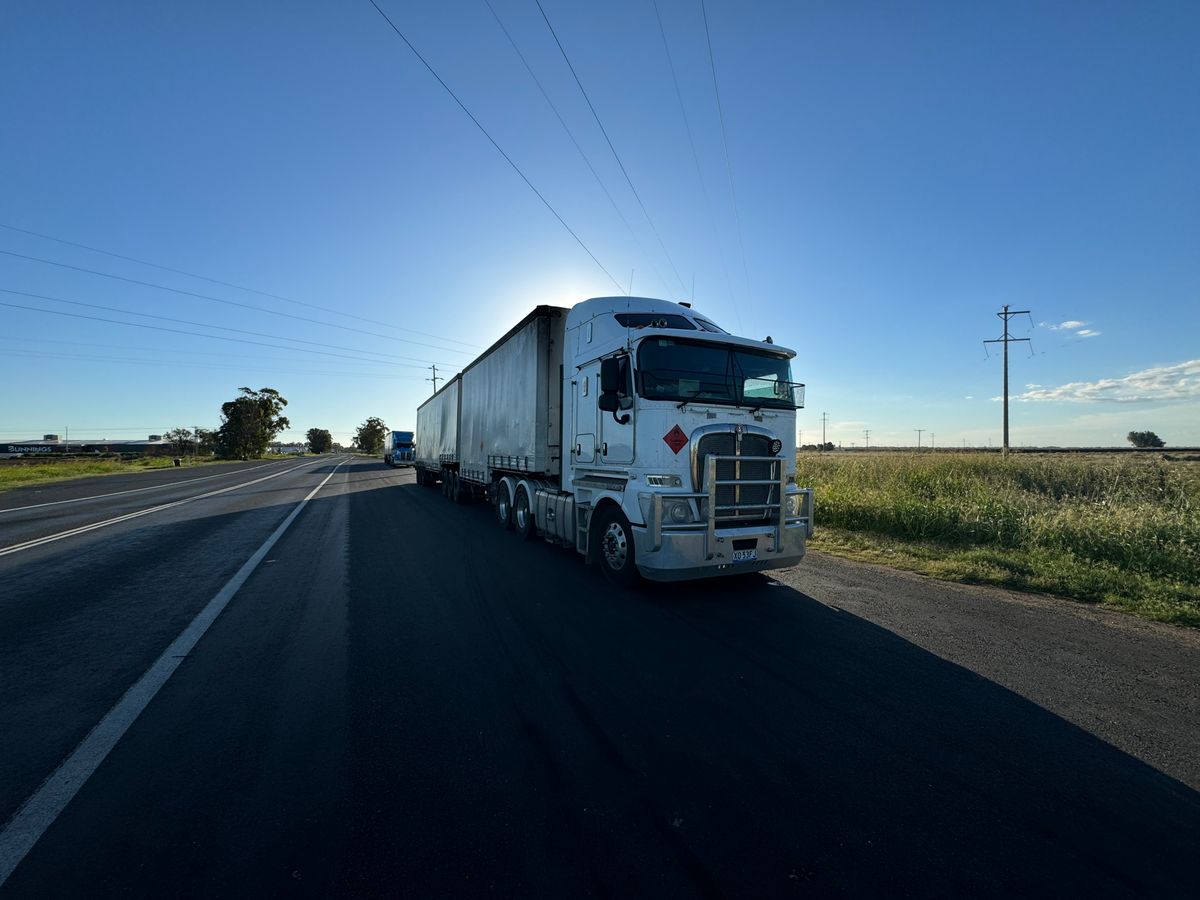
Freight broker vs 3PL: what's the difference, costs, and which is right for your business? Compare services, pricing, and practical steps.
If you’re moving into the freight business, you’ve probably heard the terms “freight broker” and “3PL” used interchangeably. They’re not the same. A freight broker is a licensed intermediary who connects shippers with carriers. A 3PL (third-party logistics provider) is a broader company that offers multiple logistics services, including brokerage, warehousing, and supply chain management. This guide breaks down the differences, costs, and how to choose which model fits your goals.
What Is a Freight Broker?
A freight broker is a middleman. You hold a property broker license from the FMCSA, and you match loads with carriers. You don’t own trucks or warehouses. Your job is to negotiate rates, handle paperwork, and ensure the load moves. You earn a margin between what you charge the shipper and what you pay the carrier.
Typical broker margins range from 5% to 15% of the load value. On a $2,000 load, that’s $100 to $300. Some brokers in niche markets (like oversize or reefer) can push margins higher, but 10% is a common target.
What Is a 3PL?
A 3PL is a company that provides multiple logistics services. It might offer freight brokerage, but it also handles warehousing, inventory management, cross-docking, and sometimes dedicated transportation. A 3PL acts as a full supply chain partner. For example, a 3PL might store your goods, pick and pack orders, and arrange the final delivery. They often use technology to track inventory and optimize routes.
3PLs can be asset-based (they own trucks or warehouses) or non-asset-based (they outsource everything). Most 3PLs are non-asset, but they offer more than just load matching.
Key Differences at a Glance
Here’s a quick comparison table:
| Aspect | Freight Broker | 3PL |
|---|---|---|
| Core service | Match loads to carriers | Full logistics management |
| Licensing | FMCSA property broker license | Same license if doing brokerage, but may need others (e.g., warehousing) |
| Services | Brokerage only | Brokerage, warehousing, inventory, consulting |
| Asset ownership | None | May own warehouses or trucks |
| Cost to start | Low: $300 bond, $75 license fee | Higher: depends on services offered |
| Revenue model | Margin per load | Fees for services, plus margins |
| Typical client | Shippers needing spot capacity | Companies needing end-to-end supply chain |
Cost Comparison: Freight Broker vs 3PL
Starting a freight brokerage is cheaper. You need:
- FMCSA property broker license: $300 (one-time, plus $75 filing fee)
- Surety bond (BMC-84): $75,000 bond, but you pay a premium of about $500 to $1,500 per year, depending on credit
- Operating authority: $300
- Insurance (errors and omissions, general liability): $500 to $1,500 per year for a small operation
- TMS software: $50 to $200 per month for a basic plan
Total startup: roughly $2,000 to $5,000, not counting office costs.
A 3PL startup is more complex. If you add warehousing, you need:
- Warehouse lease: $3,000 to $10,000 per month for a small space
- Forklifts and racking: $20,000 to $100,000 upfront
- Warehouse management system (WMS): $100 to $500 per month
- Additional insurance: $2,000 to $5,000 per year
If you offer only non-asset 3PL services (like brokerage plus consulting), you can start with the same costs as a broker, but you’ll need more expertise and possibly certifications.
Which One Should You Choose?
Your choice depends on your goals and resources.
Choose a freight broker if:
- You want to start small with minimal capital.
- You’re comfortable focusing on sales and carrier relationships.
- You want to scale quickly without heavy assets.
- You prefer a simple business model.
Choose a 3PL if:
- You already have experience in logistics.
- You have capital for warehousing or technology.
- You want to offer a full suite of services to retain clients.
- You’re targeting large shippers that need integrated solutions.
Many successful logistics companies start as brokers and evolve into 3PLs as they grow. That’s a practical path.
Practical Steps for This Week
If you’re leaning toward either model, take these steps now:
- Research your market. Identify 10 local shippers and 10 carriers. Understand their pain points. Are they just moving loads, or do they need warehousing?
- Get your license. If you’re going the broker route, apply for your FMCSA authority and bond. This takes 2 to 4 weeks.
- Choose a TMS. Test a few options. Look for load tracking, accounting features, and carrier management. Prices range from $50 to $150 per month for solo brokers.
- Draft a service menu. For a 3PL, list your services: brokerage, warehousing, inventory management, and any value-adds. Set pricing for each.
- Talk to a mentor. Join a broker association or online forum. Ask about real-world costs and challenges.
FAQ
Can I be both a freight broker and a 3PL? Yes. Many companies start as brokers and add services like warehousing or dedicated fleets. You’ll need to comply with regulations for each service. For example, if you own trucks, you need carrier authority.
Do I need a different license for a 3PL? If you’re doing brokerage, you need the same FMCSA property broker license. If you add warehousing, you may need local business licenses and possibly a warehouse bond, depending on your state. Always check with your state’s department of transportation.
How much can I earn as a broker vs a 3PL? Brokers average $50,000 to $100,000 per year in profit, but top brokers can earn more. 3PL owners can earn $100,000 to $500,000 or more, but they have higher overhead and more complexity. Your earnings depend on your sales skills, niche, and efficiency.
What’s the biggest risk in each model? For brokers, the biggest risk is carrier non-performance (e.g., late or damaged loads). For 3PLs, it’s overextending into services you can’t execute well. Mitigate with strong vetting processes and clear contracts.
The Bottom Line
A freight broker is a focused role: you match loads and earn margins. A 3PL is a broader business that offers multiple logistics services. If you’re just starting, a brokerage is cheaper and simpler. As you grow, you can add services and become a 3PL. The key is to understand your market and start with a solid plan. Check the FMCSA website for current licensing requirements, and talk to an insurance agent about your specific coverage. Then take the first step this week: research your local market and decide which model fits your goals.