Factoring Purchase Order vs Invoice
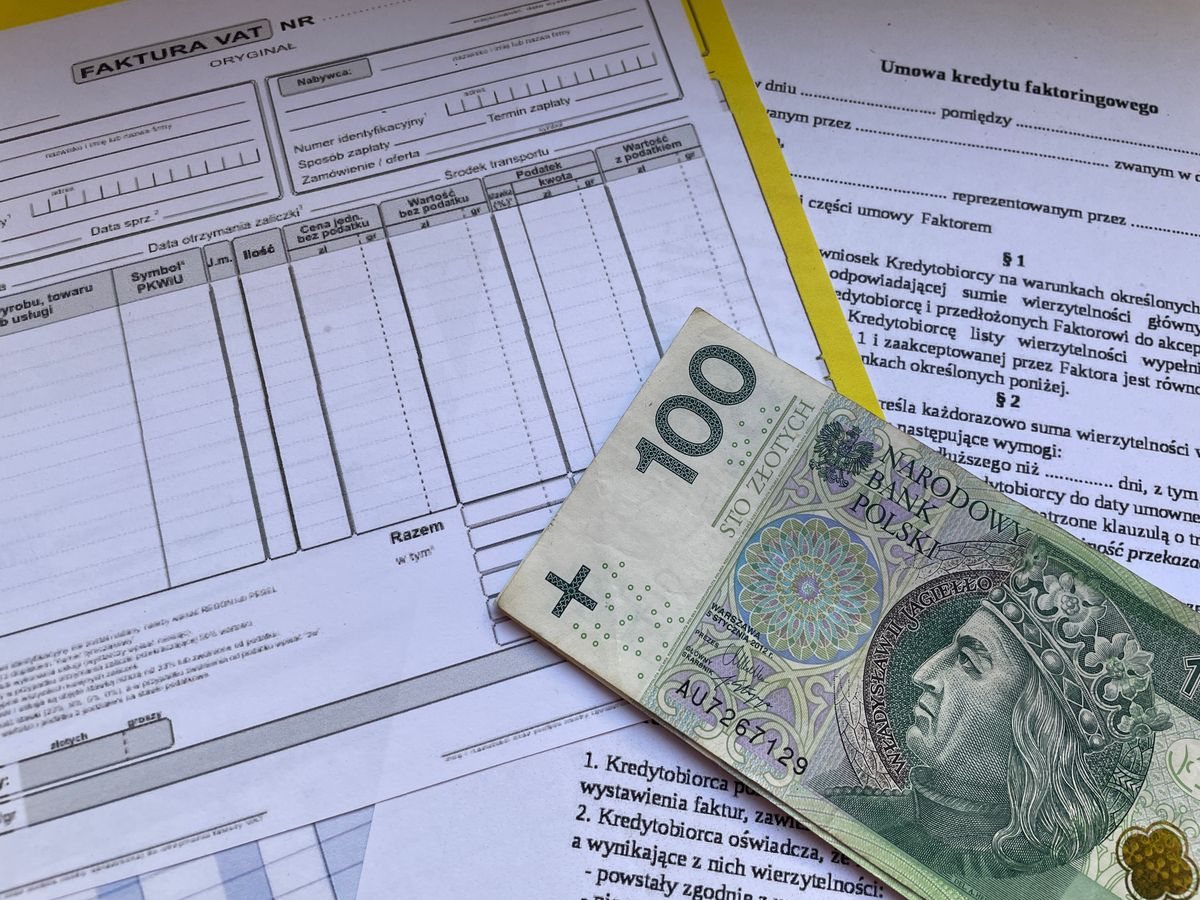
Compare purchase order factoring and invoice factoring for trucking: costs, speed, requirements, and which fits your cash flow needs.
If you’re a truck driver or small fleet owner, you’ve likely heard of invoice factoring: selling your unpaid freight bills to a factor for immediate cash. But there’s another option, purchase order (PO) factoring, which funds the cost of a load before you even haul it. The key difference is timing: invoice factoring advances money on work already completed, while PO factoring funds the purchase of goods or fuel needed to complete a job. This guide breaks down both, with real numbers and practical steps, so you can decide which one fits your operation.
What Is Invoice Factoring?
Invoice factoring is the most common type of freight factoring. You haul a load, deliver it, and instead of waiting 30 to 60 days for the broker or shipper to pay, you sell that invoice to a factoring company. The factor advances you 80% to 95% of the invoice value within 24 hours, then collects payment from the customer and sends you the remaining balance minus a fee.
Typical costs:
- Factoring fee: 1% to 5% of the invoice amount, depending on volume and creditworthiness.
- Advance rate: 80% to 95%, with 90% being common.
- Additional fees: some factors charge a small setup fee ($50 to $200) or a monthly minimum (e.g., $500 in fees per month).
Speed:
- Funding: usually within 24 hours after you submit the bill of lading and invoice.
- Settlement: when the customer pays, typically 30 to 60 days later.
Requirements:
- You must have a completed delivery and a valid invoice.
- The factor will run a credit check on your customer (the broker or shipper).
- You need a clean business history, but bad personal credit is often okay.
What Is Purchase Order Factoring?
Purchase order factoring is less common in trucking but can be useful if you need money to buy fuel, pay for repairs, or cover other costs before you can complete a load. For example, you might get a contract to haul a high-value load, but you don’t have the cash to fill the tank or fix a tire. PO factoring advances funds against a purchase order or contract, not an invoice.
How it works:
- You have a signed contract or PO from a customer.
- The factor pays your supplier (e.g., fuel card company, repair shop) directly, or advances you cash to cover those costs.
- You complete the job and invoice the customer.
- The customer pays the factor, who deducts fees and sends you the rest.
Typical costs:
- Fees: 2% to 8% of the PO amount, plus an origination fee (often $100 to $500).
- Advance rate: up to 100% of the PO value, but usually 80% to 90%.
- Interest: some factors charge a weekly interest rate (0.5% to 1.5%) on the advance.
Speed:
- Funding: can take 3 to 5 business days, because the factor must verify the PO and your supplier.
- Settlement: same as invoice factoring, after customer payment.
Requirements:
- A valid, non-cancelable PO or contract.
- A creditworthy customer.
- You must have a supplier that the factor can pay directly.
Comparison Table: Invoice Factoring vs. PO Factoring
| Feature | Invoice Factoring | PO Factoring |
|---|---|---|
| When you get funds | After delivery | Before delivery |
| Advance rate | 80% to 95% | 80% to 100% |
| Fee range | 1% to 5% | 2% to 8% |
| Funding speed | 24 hours | 3 to 5 days |
| Collateral | Completed invoice | Purchase order/contract |
| Best for | Cash flow while waiting on payment | Covering upfront costs for a load |
| Risk to factor | Lower (work done) | Higher (load may not happen) |
| Common in trucking? | Very common | Rare |
Which One Should You Choose?
Choose invoice factoring if:
- You have already delivered loads and are waiting on payment.
- You want fast, reliable cash flow with lower fees.
- You have a steady stream of invoices to factor.
Choose PO factoring if:
- You have a contract but lack funds to cover fuel, repairs, or other upfront costs.
- You have a high-value load that requires significant prepayment.
- You cannot get a traditional loan or line of credit.
Practical steps for this week:
- List your current unpaid invoices and upcoming contracts.
- Calculate your average monthly invoice volume. If it’s over $10,000, invoice factoring is likely more cost-effective.
- Contact two or three factoring companies (like Triumph, RTS Financial, or Factor Finders) and ask for quotes on both types. Ask for a sample contract and fee schedule.
- If you think you need PO factoring, check if your factor offers it. Many don’t, so you may need a specialized factor.
- Read the fine print: watch for hidden fees like application fees, monthly minimums, or termination penalties.
FAQ
Can I use both invoice and PO factoring at the same time? Yes, some factors offer both, but it’s rare. You might use invoice factoring for your regular cash flow and PO factoring for a specific large contract. Be aware that each has separate fees and contracts.
Is PO factoring more expensive than invoice factoring? Yes, typically. PO factoring carries more risk because the load hasn’t been completed, so fees are higher: 2% to 8% versus 1% to 5%. You also pay an origination fee.
Will factoring hurt my customer relationships? It can, if the factor contacts your customer directly. Many factors handle collections, but you can request a “non-notification” arrangement where the customer isn’t told about the factoring. This may cost extra, so ask.
What if my customer doesn’t pay the factor? With recourse factoring, you’re responsible for the unpaid invoice. With non-recourse, the factor absorbs the loss, but it’s more expensive. Always know which type you’re signing.
The Bottom Line
Invoice factoring is the go-to for truckers who need steady cash flow after delivery. It’s faster, cheaper, and more widely available. PO factoring is a niche tool for specific situations where you need money before you can even start the job. Unless you have a clear need for upfront funding, stick with invoice factoring. But keep PO factoring in your back pocket for those big contracts that require capital you don’t have. Shop around, compare fees, and always read the contract before you sign.