Apply for a Freight Job Requirements
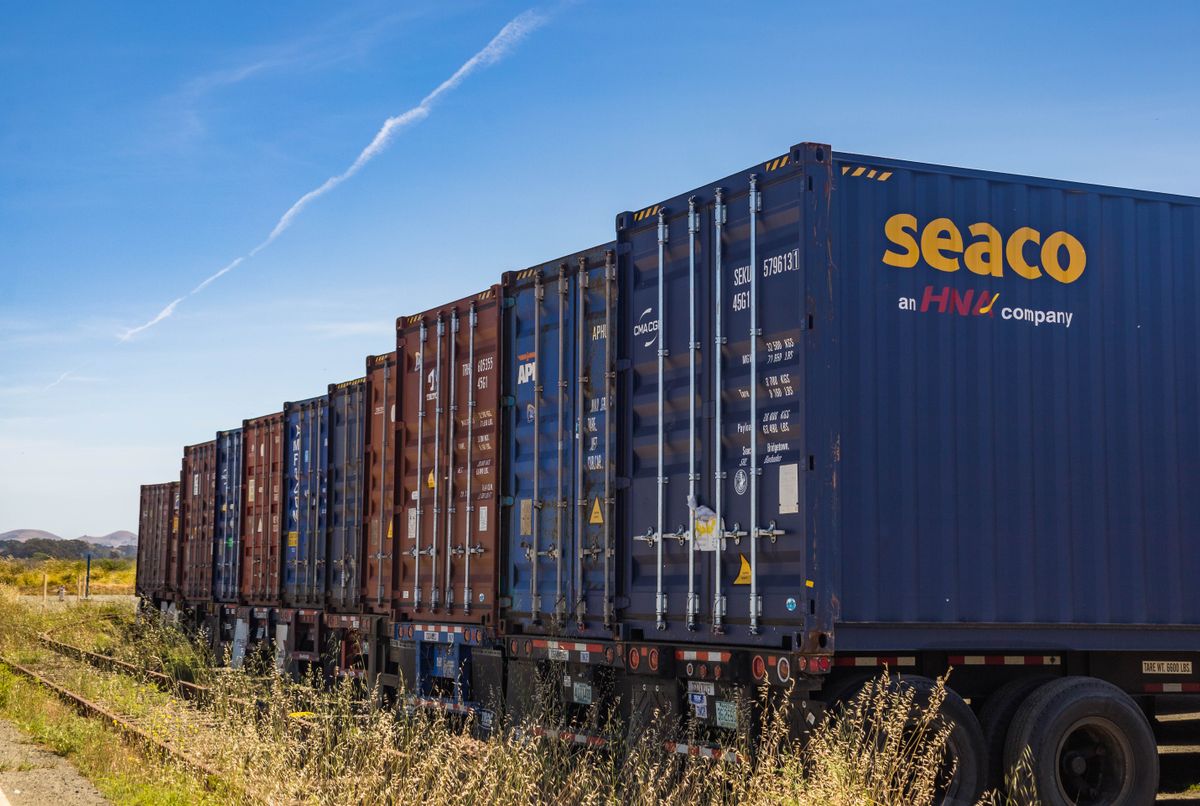
Learn the essential requirements to apply for a freight job in 2026, including CDL, experience, background checks, and practical steps to get hired.
Applying for a freight job in 2026 means proving you meet federal, state, and company-specific standards. The core requirements are a valid Commercial Driver’s License (CDL), a clean driving record, passing a DOT physical and drug test, and often verifiable driving experience. Beyond that, you’ll need to pass background checks and possibly a road test. This guide breaks down each requirement with current figures and steps you can take this week to strengthen your application.
CDL License and Endorsements
You must hold a CDL appropriate for the vehicle you’ll drive. For most freight jobs, that’s a Class A CDL. If you’re hauling hazardous materials, you’ll need an H endorsement, which requires a TSA background check and a written test. Tanker (N) and doubles/triples (T) endorsements are also common for specialized freight. In 2026, the cost to get a Class A CDL through a private school ranges from $3,000 to $8,000, depending on your state and program. Many carriers offer paid CDL training if you sign a contract to work for them for a year or more.
If you already have a CDL, check that it’s not expired and that your medical certificate is current. You must self-certify your type of driving (interstate vs. intrastate) with your state DMV.
Minimum Age and Experience
Federal rules require interstate drivers to be at least 21. Intrastate drivers can be 18 in some states, but most freight companies prefer 21 or older. Experience requirements vary: many entry-level positions accept new graduates from accredited CDL schools, but some insurers require drivers to have at least 1 to 2 years of verifiable experience. In 2026, the average starting pay for a new driver is $0.45 to $0.60 per mile, while experienced drivers earn $0.65 to $0.85 per mile. If you lack experience, consider a company-sponsored training program that provides on-the-job mentoring.
Clean Driving Record and Background Checks
Employers run a Motor Vehicle Record (MVR) check for the past 3 to 5 years. A clean record means no major violations like DUI, reckless driving, or multiple at-fault accidents. Minor violations (e.g., speeding under 15 mph over) may be acceptable if they’re not recent. You’ll also undergo a criminal background check. A felony conviction doesn’t automatically disqualify you, but it depends on the crime and how long ago it occurred. Be upfront about your history; honesty matters. A DUI within the last 5 to 10 years is often a deal-breaker for most carriers.
DOT Physical and Drug Screening
The Department of Transportation (DOT) physical exam ensures you’re medically fit to drive. It includes vision, hearing, blood pressure, and a review of your medical history. You’ll receive a Medical Examiner’s Certificate (MEC) valid for up to 24 months, but some conditions (like high blood pressure) may require a shorter period. The exam costs $80 to $150 if you pay out of pocket. You must also pass a pre-employment drug screen, typically a urine test for marijuana, cocaine, opiates, amphetamines, and PCP. In 2026, many carriers also test for synthetic opioids and fentanyl. Refusing a drug test is treated as a positive result.
Documentation and Paperwork
Gather these documents before applying: your CDL, MEC, Social Security card, birth certificate or passport, and a current DOT medical card. You’ll also need a list of your past employers for the last 10 years (for the employment verification and background check). If you have a CDL, you must register in the FMCSA Drug and Alcohol Clearinghouse; carriers will check it. Keep your paperwork organized in a folder or digital file.
Application Process Steps
- Research carriers: Look for companies that match your experience level and preferred freight type (dry van, reefer, flatbed, tanker). Check reviews on sites like TruckersReport or Glassdoor.
- Prepare your resume: Highlight your CDL, endorsements, driving experience, and safety record. Even if you’re new, list any relevant training or certifications.
- Apply online or in person: Most carriers have online applications. Fill out everything accurately; errors can delay the process.
- Pass the pre-employment screening: This includes the MVR check, background check, drug test, and often a road test. The road test may be a simple skills test or a short drive with an evaluator.
- Complete orientation: If hired, you’ll attend orientation, which can last 1 to 5 days. Some carriers pay for travel and lodging.
Costs You Might Incur
Be prepared for some upfront costs, even if the carrier reimburses later. These include:
- CDL training: $3,000 to $8,000 (if not company-sponsored)
- DOT physical: $80 to $150
- Drug test: $30 to $60 (often paid by employer)
- Endorsement tests: $10 to $50 per endorsement, plus state fees
- Background check: $50 to $100 (usually employer-paid)
Many carriers offer tuition reimbursement or sign-on bonuses, especially for experienced drivers. In 2026, sign-on bonuses range from $2,000 to $10,000 depending on the lane and demand.
FAQ
Do I need a CDL to apply for a freight job? Yes, for any freight job that involves driving a commercial vehicle over 26,000 pounds. Some non-driving roles (like dispatcher) don’t require a CDL, but driver positions do.
Can I get a freight job with a DUI on my record? It’s difficult. Most carriers won’t hire drivers with a DUI within the last 5 to 10 years, and some insurance policies prohibit it entirely. You may need to wait or seek a carrier that specializes in high-risk drivers.
How long does the hiring process take? Typically 1 to 3 weeks, depending on how quickly you complete the drug test, background check, and road test. Some carriers can do it in under a week if you’re local.
What if I have no experience? Many carriers offer paid CDL training or apprenticeship programs. You’ll start with lower pay but can gain experience quickly. Check with major carriers like Swift, Schneider, or Prime for their training programs.
The bottom line
Applying for a freight job in 2026 requires a valid CDL, a clean record, passing a DOT physical and drug test, and meeting experience expectations. Start by gathering your documents, checking your MVR, and researching carriers that fit your profile. If you’re new, consider a company-sponsored training program. The process can take a few weeks, but being prepared with the right paperwork and a clean record will speed it up. Take the first step today: pull your MVR and schedule your DOT physical, so you’re ready when the right job opens up.