Dump Truck vs Tipper Truck
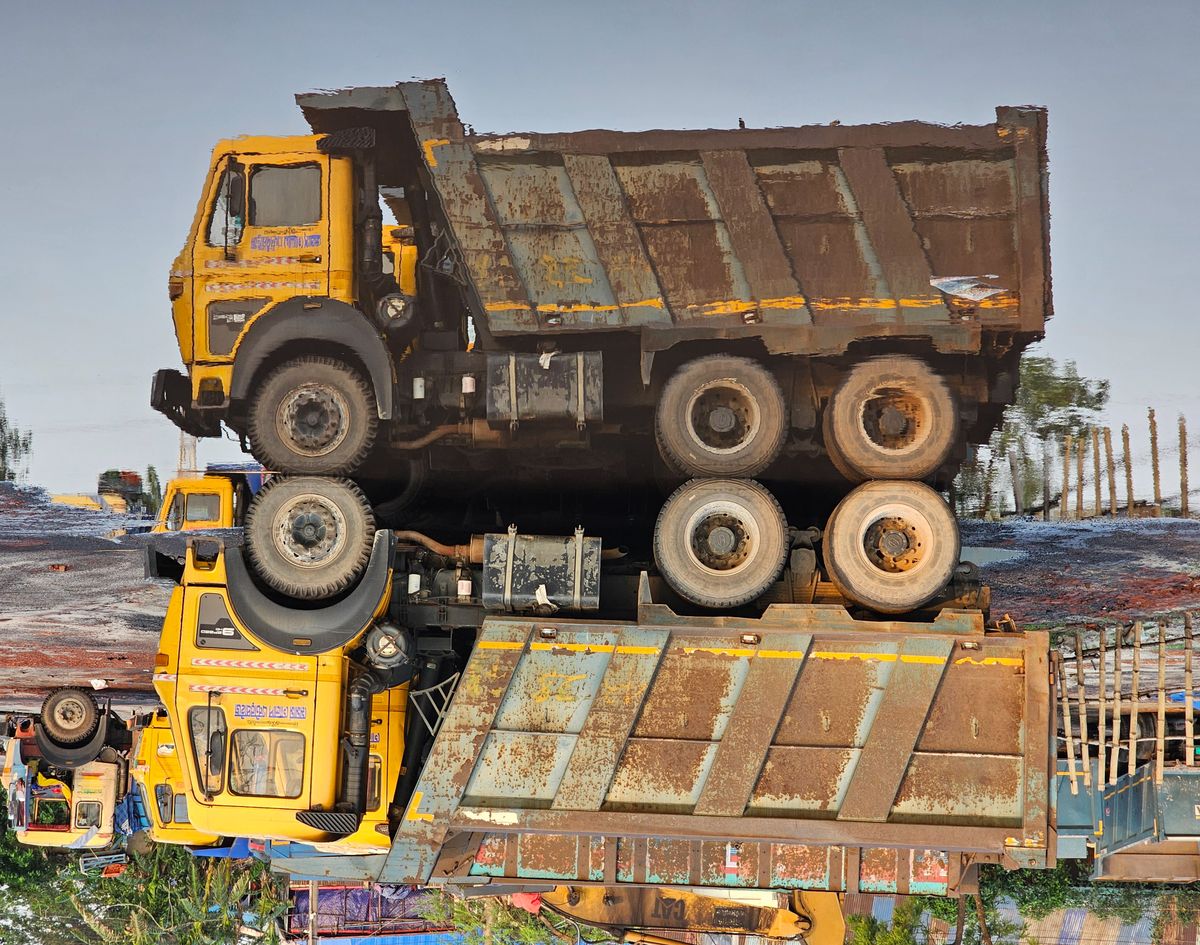
Dump truck and tipper truck are often used interchangeably, but there are key differences in design, use, and cost. This guide breaks down what you need to know.
If you’re new to the heavy trucking world, you might hear “dump truck” and “tipper truck” used as if they’re the same thing. In most everyday conversation, they are. But there are subtle differences in design, terminology, and regional usage that matter when you’re buying, leasing, or spec’ing a truck for a specific job. This guide will help you understand the distinctions, what each is best suited for, and what you should consider before making a purchase.
What Is a Dump Truck?
A dump truck is a truck with a chassis-mounted dump body that hydraulically raises to discharge its load at the rear (or sometimes to the side). The body is typically made of steel or aluminum, and the lifting mechanism is a hydraulic hoist. Dump trucks come in many configurations, from straight trucks (like a Ford F-550 with a dump body) to heavy-duty articulated haulers used in mining.
What Is a Tipper Truck?
“Tipper truck” is a term more commonly used in the UK, Australia, and parts of Europe. It refers to the same basic machine: a truck with a hydraulically operated tipping body. The word “tipper” comes from the action of tipping the load out. In North America, “dump truck” is the standard term, but you’ll still hear “tipper” in certain industries, especially in construction and mining.
Key Differences: Terminology and Design
While the core function is identical, there are a few practical differences to be aware of:
- Terminology by region: In the US and Canada, “dump truck” is the norm. In the UK and Australia, “tipper truck” is standard. If you’re buying used equipment from overseas or working with international clients, this matters.
- Body style: Some tippers have a “drop-side” or “grain” body that can be tipped to the side, while most North American dump trucks are rear-dump only. Side-dump trailers are a separate category.
- Chassis vs. trailer: A “dump truck” often refers to a straight truck (rigid chassis), while a “tipper” can also refer to a trailer (e.g., a tipper trailer pulled by a tractor unit). In the US, these are called “dump trailers.”
- Hoist type: Both use hydraulic hoists, but the configuration can vary: underbody hoists, scissor hoists, or telescopic hoists. The choice depends on the load and the terrain.
Comparison Table: Dump Truck vs. Tipper Truck (2026)
| Feature | Dump Truck (North America) | Tipper Truck (UK/Australia) |
|---|---|---|
| Common usage | Construction, road maintenance, aggregate hauling | Same, plus agricultural and mining |
| Body material | Steel or aluminum | Steel or aluminum, sometimes with higher side walls for lighter materials |
| Typical GVWR | 26,000 to 80,000 lbs (Class 8) | 26,000 to 80,000 lbs (similar) |
| Price range (new, 2026) | $80,000 to $180,000 for a straight truck | $85,000 to $190,000 (converted to USD) |
| Price range (used, 2026) | $30,000 to $100,000 depending on age and condition | $28,000 to $95,000 |
| Common brands | Mack, Peterbilt, Kenworth, Freightliner | Volvo, Scania, Mercedes-Benz, DAF |
| Regulatory differences | DOT and state regulations on weight and safety | Similar, but local regulations vary by country |
Note: Prices are estimates for a typical 10-wheel dump truck (e.g., a Mack Granite or Peterbilt 567) with a 14-16 foot steel body. Actual prices vary based on spec, options, and market conditions.
Which One Should You Choose?
Your choice should be based on your location, the type of work you do, and your budget. Here’s a practical breakdown:
- If you’re in North America: Buy a “dump truck.” Parts, service, and resale value are all tied to that terminology. You’ll find more options and better support.
- If you’re in the UK, Australia, or Africa: Buy a “tipper truck.” The same logic applies.
- If you’re buying a trailer: In the US, look for “dump trailers.” In the UK, look for “tipper trailers.” They’re the same thing, but the market is different.
- If you’re doing off-road mining work: Consider an articulated hauler (often called a “dumper” in mining). That’s a different beast entirely, with prices starting around $500,000.
Practical Steps to Take This Week
- Define your job: What materials will you haul? What’s the average load weight? What terrain? This will determine the body type, hoist, and chassis.
- Research local regulations: Check your state or country’s weight limits, permit requirements, and safety standards. For example, in the US, you need a CDL for most dump trucks over 26,000 lbs.
- Compare new vs. used: Get quotes from at least three dealers. For used trucks, have a mechanic inspect the hoist, hydraulics, and frame for cracks.
- Calculate operating costs: Include fuel, maintenance, insurance, and permits. A typical dump truck gets 5-8 mpg, and insurance can run $8,000 to $15,000 per year for a new operator.
- Talk to other owners: Join forums like TruckersReport or local trucking associations. Ask about real-world reliability of specific models.
FAQ
Q: Is a tipper truck the same as a dump truck? A: Yes, functionally they are the same. The difference is mainly regional terminology. In North America, “dump truck” is standard; in the UK and Australia, “tipper truck” is used.
Q: Can I use a dump truck for hauling grain or light materials? A: Yes, but you may need a higher-sided body to increase volume without exceeding weight limits. Some tippers are designed for agricultural use with taller sides.
Q: What’s the average lifespan of a dump truck? A: With proper maintenance, a well-built dump truck can last 15-20 years or more. The engine and transmission may need major work at 500,000 to 750,000 miles, but the chassis and body can last longer.
Q: Do I need a special license to drive a dump truck? A: In the US, if the truck has a GVWR over 26,000 lbs, you need a Class B CDL. Some states require additional endorsements for air brakes or hazardous materials. Check your local DMV.
The Bottom Line
Whether you call it a dump truck or a tipper truck, the machine does the same job: hauling and dumping loose material. The real differences are regional terminology and minor design variations. When buying, focus on your specific needs, local regulations, and total cost of ownership. Don’t get hung up on the name; get the right truck for the work. If you’re in North America, search for “dump trucks for sale.” If you’re elsewhere, search for “tipper trucks.” Either way, you’ll find what you need.