Dump Truck vs Roll Off
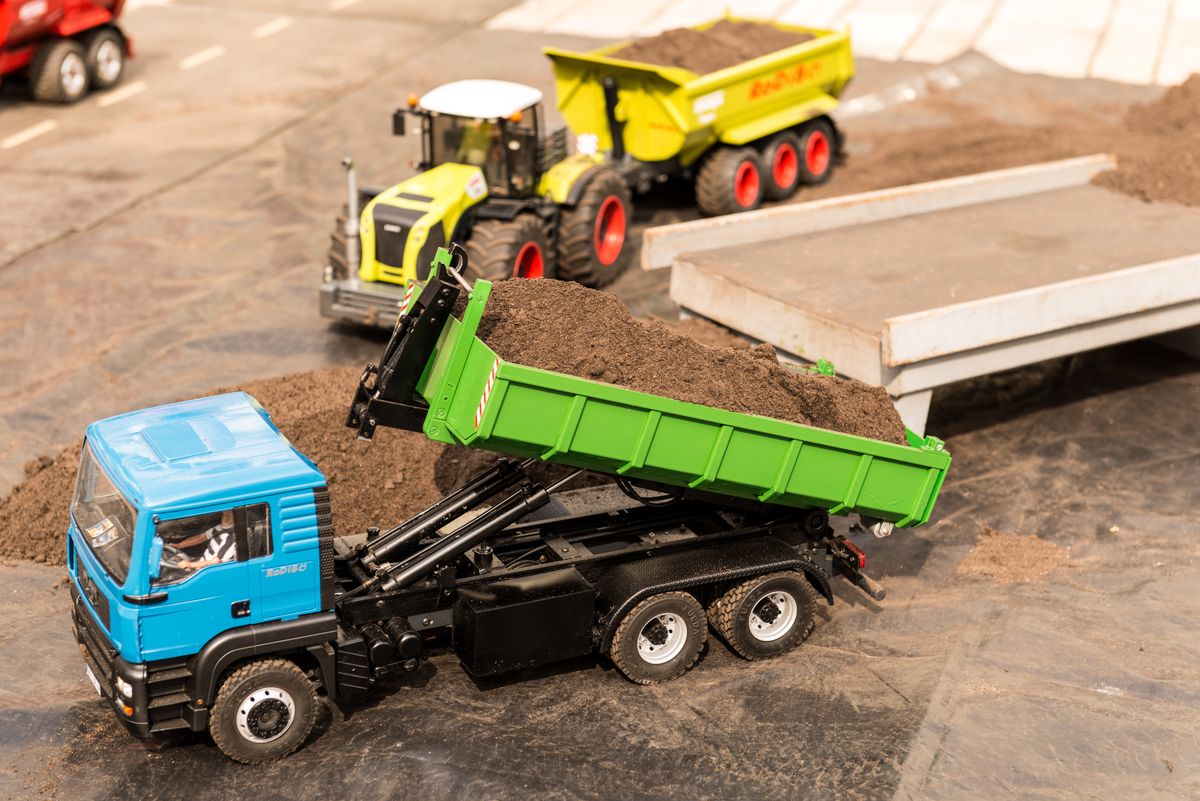
Compare dump truck vs roll off truck: costs, uses, payload, licensing, and which is better for your hauling business in 2026.
If you’re deciding between a dump truck and a roll off truck, the short answer is: it depends on what you haul and how you get paid. Dump trucks are built for loose material like gravel, sand, and dirt. Roll offs are built for containers, trash, and construction debris. Both can make money, but they have different costs, different customers, and different daily operations. This guide lays out the real numbers and practical differences so you can pick the right tool for your market.
What Each Truck Does
A dump truck has a hydraulic lift that raises the bed to dump loose material out the back. It’s the standard for aggregate hauling, road work, and site prep. You load it with an excavator or loader, drive to the site, and dump.
A roll off truck uses a cable or hook lift to load and unload large steel containers. You drop an empty container at a job site, come back later to pick up the loaded one, and haul it to a landfill or recycling center. Roll offs are the backbone of the waste and demolition industry.
Cost Comparison: Purchase and Operating
Here’s a realistic look at 2026 prices for used and new trucks, plus what it costs to run them.
| Truck Type | New Price Range | Used Price Range (3-5 years old) | Average Operating Cost per Mile |
|---|---|---|---|
| Dump Truck (10-14 yard) | $120,000 - $180,000 | $60,000 - $110,000 | $1.50 - $2.20 |
| Roll Off (20-40 yard) | $130,000 - $200,000 | $70,000 - $120,000 | $1.60 - $2.40 |
Operating costs include fuel, maintenance, tires, insurance, and driver pay. Roll offs often have more hydraulic wear because of the lifting system, but dump trucks take more abuse from loading impacts. Expect to budget $0.10 to $0.15 per mile for maintenance on either.
Payload and Capacity Differences
Dump trucks typically carry 10 to 14 cubic yards of material, which translates to 15 to 25 tons depending on the material density. A 12-yard load of gravel weighs about 21 tons. You need to watch your gross vehicle weight rating (GVWR) and state bridge laws.
Roll off trucks carry one container at a time, usually 20, 30, or 40 cubic yards. A 40-yard container holds about 5 to 6 tons of loose trash, but can be heavier with dirt or concrete. You’re limited by the truck’s payload rating, typically 15 to 20 tons, but the container itself weighs 2 to 3 tons empty.
Licensing and Regulations
Both truck types require a commercial driver’s license (CDL) if you cross state lines or exceed 26,001 pounds GVWR, which is almost always the case. You’ll need a Class B CDL as a minimum, and some operators get a Class A for flexibility. Expect to spend $3,000 to $6,000 on CDL training if you don’t already have one.
DOT regulations apply to both: you need a DOT number, and if you haul interstate, you’ll need to comply with hours of service and ELD rules. Intrastate rules vary by state, so check your state’s DOT website. Also, dump trucks often need a special permit for overweight loads if you’re hauling near legal limits.
Which One Makes More Money?
Rates vary by region, but here’s a ballpark for 2026:
- Dump truck: $75 to $120 per hour, or $400 to $700 per day for local work. Aggregate hauling pays by the ton, often $15 to $25 per ton.
- Roll off: $300 to $600 per container haul, depending on distance and disposal fees. Monthly container rentals run $200 to $400, plus hauling charges.
Roll offs can generate more revenue per load because you’re charging for the container rental and the haul. But dump trucks have more consistent work in construction seasons. A dump truck might do 3 to 5 loads a day, while a roll off might do 4 to 8 hauls, depending on distance.
Job Opportunities and Customer Base
Dump truck customers: construction companies, landscapers, municipalities, and farmers. You’ll haul gravel, sand, topsoil, asphalt millings, and snow. Work is seasonal in northern states, with a peak from April to November.
Roll off customers: waste management companies, demolition contractors, retail stores, restaurants, and property managers. You’ll handle trash, construction debris, and recyclables. This work is steadier year-round because trash never stops.
If you want year-round income, roll off has the edge. If you prefer higher-paying short-haul gigs and don’t mind seasonality, dump truck might be better.
Maintenance and Daily Operations
Dump trucks: You’ll deal with tailgate seals, hydraulic cylinders, and pivot points. Dirt and dust get into everything. You’ll wash out the bed regularly to prevent material buildup. Loading impacts can bend the bed or frame if you’re not careful.
Roll offs: The hoist system needs regular greasing and inspection. Cables stretch and fray, and rollers wear out. You’ll spend more time on the ground hooking and unhooking containers, which is physical work. But you’re not dealing with the same loading abuse.
Both need daily pre-trip inspections per DOT rules. Keep a grease gun handy and check your air brakes and tires daily.
How to Choose: 5 Questions to Ask Yourself
- What materials are in your local market? If there’s a lot of construction, dump trucks win. If there’s a lot of waste, roll offs win.
- Do you want steady year-round work or higher seasonal pay? Roll offs are steadier.
- Are you comfortable with physical container hookups? Roll offs require more manual labor.
- What’s your startup budget? Both are similar, but roll offs often require buying containers, which adds $3,000 to $6,000 per container.
- Do you have a disposal site or landfill relationship? Roll offs need a place to dump trash, and that can be a hurdle.
Practical Steps for This Week
- Call 3 local construction companies and 3 waste haulers. Ask what they pay per load and how often they need trucks.
- Check your state’s DOT website for specific licensing and permit requirements for each truck type.
- Visit a dealership or auction site to compare actual prices for used dump trucks and roll offs in your area.
- Calculate your break-even rate: monthly truck payment, insurance, fuel, maintenance, and your desired pay, divided by expected loads per month.
- Talk to an insurance agent about premiums for each type. Roll offs may have higher liability due to container handling.
FAQ
Can I use a dump truck to haul roll off containers?
No, not safely. A dump truck bed is not designed to carry a roll off container. You’d need a roll off hoist system, which is a different frame and hydraulic setup.
Do I need a special license to drive a roll off truck?
No, a Class B CDL is sufficient for most roll off trucks. Some states require a Class A if you pull a trailer, but standard roll offs are straight trucks.
Which truck has lower insurance costs?
Dump trucks typically have slightly lower premiums because they’re not carrying waste, which can have higher liability. But rates vary by driving record and location. Expect $8,000 to $15,000 per year for either.
Can I switch between dump and roll off work with the same truck?
Not easily. You’d need to swap the body, which costs $20,000 to $40,000 and takes days. It’s more practical to buy the truck that matches your primary market.
The Bottom Line
Choose a dump truck if you have steady aggregate or construction work and want a simpler, lower-maintenance truck. Choose a roll off if you want year-round waste hauling and are willing to handle containers and disposal logistics. Both can be profitable, but the right choice depends on your local market and your willingness to adapt to its demands. Start by researching your area’s rates and talking to potential customers before you buy.