Dump Truck vs Garbage Truck
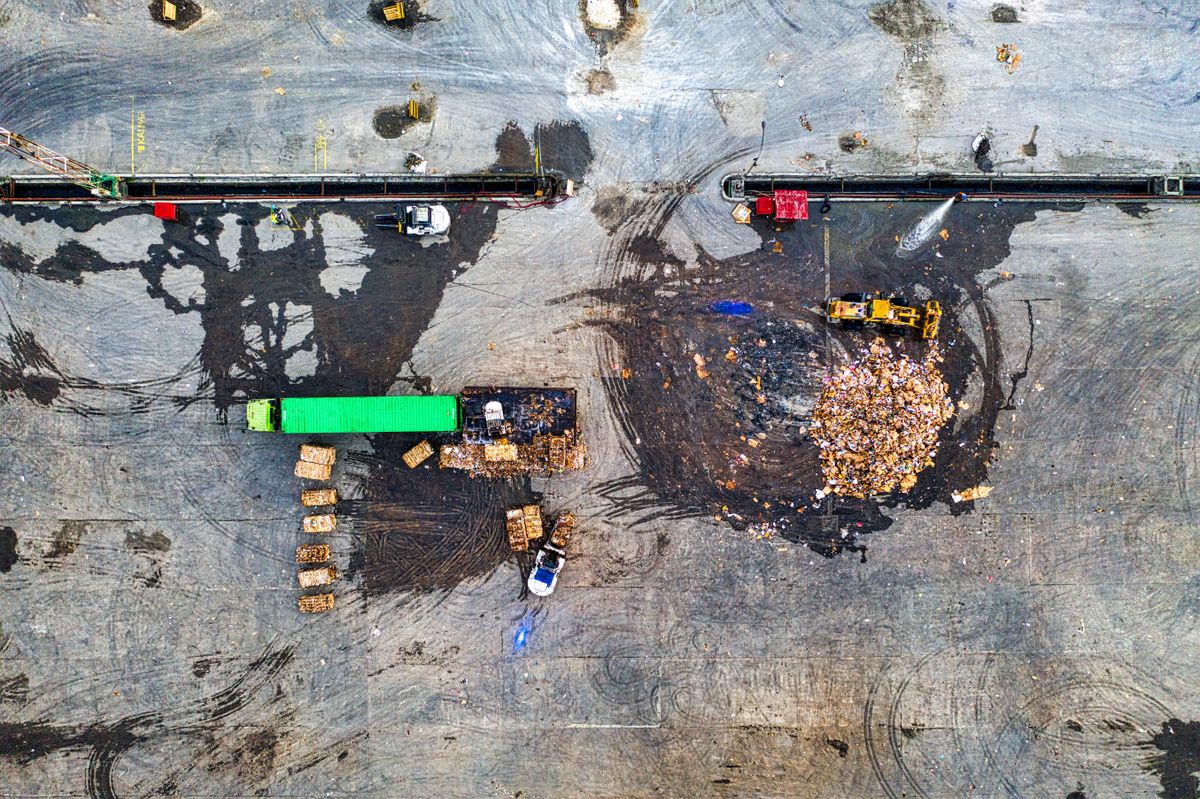
Compare dump trucks and garbage trucks: costs, uses, regulations, and which is better for your trucking business in 2026.
If you’re deciding between a dump truck and a garbage truck, you’re comparing two very different business models. Dump trucks haul loose materials like sand, gravel, and dirt to construction sites. Garbage trucks collect residential and commercial waste. Both can be profitable, but they differ in startup costs, daily operations, and regulatory burdens. This guide breaks down the key differences so you can choose the right path.
What Each Truck Does
Dump trucks are built for hauling bulk materials. They have an open box bed that hydraulically tilts to dump the load. Common uses include construction, road work, landscaping, and agriculture. You’ll typically work with contractors, material suppliers, or government agencies.
Garbage trucks are designed for waste collection. There are several types: front loaders (for commercial dumpsters), rear loaders (for residential cans), and side loaders (automated or manual). You’ll work for municipalities, waste management companies, or private hauling firms.
Cost Comparison (2026 Figures)
Here’s a realistic look at costs as of early 2026. Prices vary by region, condition, and specifications.
| Item | Dump Truck | Garbage Truck |
|---|---|---|
| New purchase price | $80,000 - $150,000 | $150,000 - $300,000 |
| Used purchase price | $30,000 - $80,000 | $50,000 - $150,000 |
| Monthly insurance | $300 - $600 | $500 - $1,000 |
| Fuel cost per mile | $0.50 - $0.80 | $0.80 - $1.20 |
| Maintenance per month | $500 - $1,500 | $1,000 - $3,000 |
| Average revenue per hour | $60 - $100 | $75 - $120 |
Garbage trucks cost more upfront and have higher operating costs due to heavier loads, more hydraulic components, and frequent stop-and-go driving. Dump trucks are cheaper to enter but may have more seasonal work.
Regulatory Differences
Both require a CDL (Class B for most dump trucks, Class B or A for garbage trucks depending on weight). You’ll need a DOT number and must follow Hours of Service rules. However, garbage trucks often have exemptions for local routes, but you’ll still need to track your time.
Dump trucks may need additional permits for overweight loads, especially in certain states. You’ll also deal with scale houses and weight limits. Garbage trucks face stricter local regulations, including route approvals, noise ordinances, and landfill fees. You’ll also need to comply with waste handling regulations, which can include special training.
Daily Operations and Workflow
Dump truck operations are straightforward: load, haul, dump, repeat. You’ll spend time at quarries, construction sites, and job sites. You’ll need to know how to spread materials evenly and maneuver on uneven ground. The work is often project-based, so you may have busy seasons and slow periods.
Garbage truck operations follow a fixed route. You’ll start early (often before dawn), lift and empty containers, and deal with traffic and tight streets. The work is steady year-round, but it’s physically demanding and requires constant attention to safety. You’ll also need to handle customer complaints and missed pickups.
Business Model and Income Potential
Dump truck owners can work as independent contractors, charging by the hour or by the load. You can find work through load boards, direct contracts, or by partnering with construction companies. In 2026, typical rates are $60-$100 per hour, but you’ll need to cover fuel, maintenance, and downtime.
Garbage truck owners usually work under contract with municipalities or waste companies. Contracts can be lucrative but competitive. You might also start a small hauling business, but you’ll need to secure permits and build a customer base. Revenue is steadier, but the upfront investment is higher.
Which Should You Choose?
Choose a dump truck if:
- You have a smaller budget and want lower startup costs.
- You prefer varied work and don’t mind seasonal fluctuations.
- You’re comfortable with construction sites and material hauling.
Choose a garbage truck if:
- You have more capital and can handle higher operating costs.
- You want consistent, year-round work.
- You’re willing to deal with municipal contracts and waste regulations.
Practical Steps for This Week
- Research your local market: Check load boards for dump truck demand and call local waste companies about contract opportunities.
- Calculate your costs: Use the table above to estimate your monthly expenses and compare with potential revenue.
- Talk to owners: Reach out to 2-3 dump truck and garbage truck owners in your area. Ask about their daily routines, maintenance issues, and profit margins.
- Check insurance quotes: Get quotes for both types to see the real difference in premiums.
- Visit a dealer: Look at both types of trucks in person to understand the physical differences and maintenance access.
FAQ
Can I use a dump truck for garbage hauling? No, not practically. Garbage trucks have compaction systems and sealed bodies to handle waste. A dump truck isn’t designed for that, and you’d face regulatory issues.
Which truck is easier to drive? Dump trucks are generally easier to drive because they handle like a regular heavy truck. Garbage trucks have more blind spots and require more maneuvering in tight neighborhoods.
Do I need a special license for either? Both require a CDL. For most dump trucks, a Class B is enough. Garbage trucks may require Class B or A depending on the gross vehicle weight rating. Check your state’s requirements.
What’s the average lifespan of each? A well-maintained dump truck can last 10-15 years. Garbage trucks often last 8-12 years due to more wear and tear from stop-and-go and hydraulic use.
The Bottom Line
Dump trucks and garbage trucks are both viable businesses, but they serve different markets. Dump trucks offer lower entry costs and more flexibility, but income can be seasonal. Garbage trucks require a bigger investment but provide steady work and long-term contracts. Assess your budget, local demand, and personal preferences. If you want to start small and learn the ropes, a dump truck is a safer bet. If you have capital and want stable revenue, consider a garbage truck. Either way, do your homework and talk to experienced owners before committing.