Dump Trailer vs Dump Truck
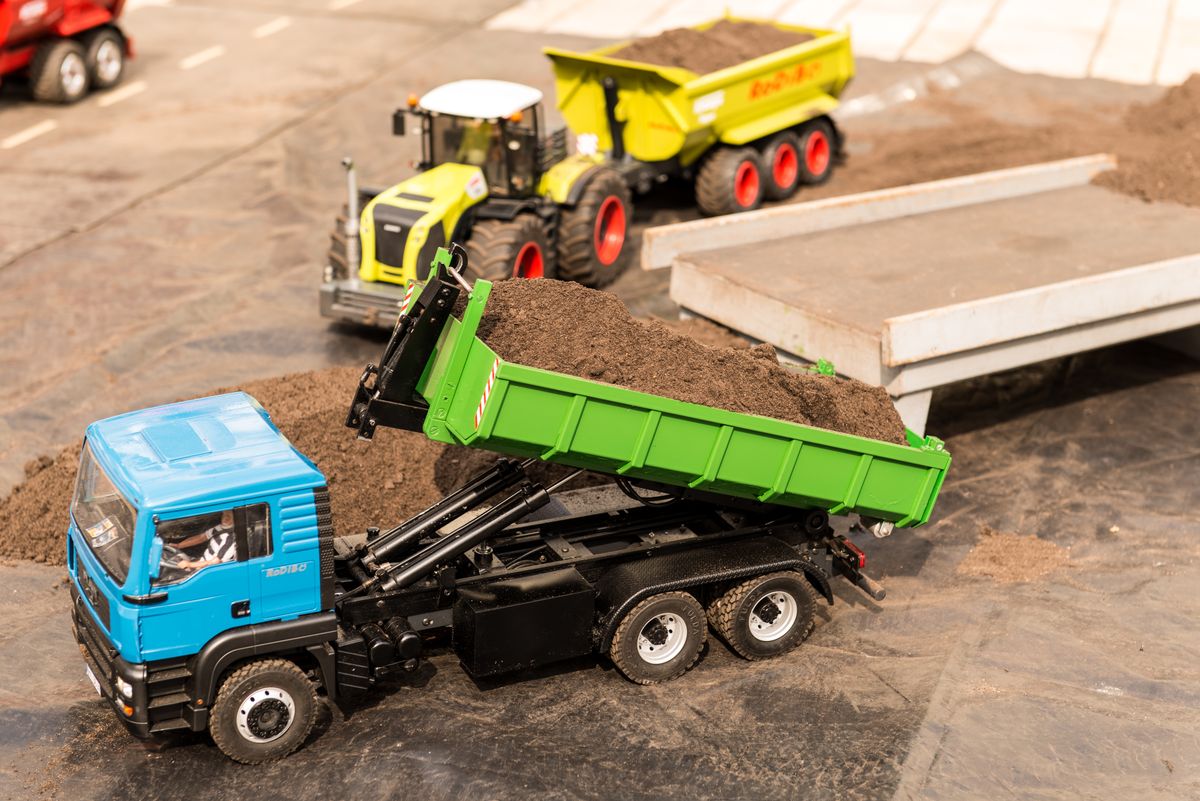
Compare dump trailers and dump trucks: costs, capacity, versatility, and maintenance. Learn which is better for your hauling business in 2026.
When you’re starting or expanding a dump truck operation, one of the first decisions is whether to run a straight dump truck or a dump trailer. Both move loose material, but they differ in cost, capacity, maneuverability, and how they fit into your business model. This guide compares the two so you can choose based on your hauling needs, budget, and typical job sites.
Cost Comparison: Purchase and Operating
Purchase Price (New, 2026)
- Dump Truck (Straight): $90,000 to $160,000 for a Class 8 truck with a dump body. A used one runs $40,000 to $90,000.
- Dump Trailer: $25,000 to $60,000 for a new 14 to 20 foot dump trailer. Used trailers range from $10,000 to $35,000.
But remember: a dump trailer requires a truck to pull it. If you already own a suitable tractor (like a day cab with a fifth wheel), the trailer is the only purchase. If not, add $80,000 to $150,000 for a used or new tractor.
Operating Costs
- Fuel: A straight dump truck with a 300 to 400 HP engine gets 5 to 7 mpg loaded. A tractor-trailer combo gets 5 to 6 mpg, but you can pull more weight per mile, so cost per ton-mile is often lower.
- Maintenance: Straight trucks have simpler drivetrains and fewer components to wear out. Trailers have tires, brakes, and suspension that need attention, plus the tractor’s maintenance. Budget $0.15 to $0.25 per mile for maintenance on either setup, but trailers add about $0.05 per mile for extra tires and brakes.
- Insurance: Expect $800 to $1,500 per month for a straight truck, and $1,200 to $2,000 for a tractor-trailer, depending on your record and coverage.
Capacity and Payload
A straight dump truck typically has a GVWR of 33,000 to 56,000 pounds, with a payload of 15 to 25 tons. A dump trailer (usually a tandem or tri-axle) can carry 20 to 30 tons, but the total combination (tractor + trailer) must stay within legal limits, often 80,000 pounds gross. That means a tractor-trailer can legally haul more per trip, which is a big advantage for long hauls.
However, many states have bridge laws and weight limits that affect where you can run. For example, a tri-axle dump truck may be legal at 54,000 pounds in some states, while a tractor-trailer might be restricted on certain roads. Check your state’s DOT regulations before choosing.
Maneuverability and Job Site Access
Straight dump trucks are shorter and have a tighter turning radius, making them ideal for residential streets, tight construction sites, and small quarries. They can also back into spots where a trailer would jackknife. Dump trailers are longer (40 to 53 feet overall) and require more space to turn and maneuver. If you do a lot of work in urban areas or on small sites, a straight truck is easier.
Versatility: What Else Can You Haul?
A straight dump truck is a dedicated dump vehicle, but you can add a spreader for gravel or salt, or a tool box for equipment. A dump trailer can be detached, freeing your tractor for other work like flatbed or tanker hauling. That flexibility is a plus if you want to diversify. Also, some dump trailers have side-dump or bottom-dump options, which spread material more evenly.
Resale Value and Depreciation
Both depreciate, but straight dump trucks hold value well because they’re always in demand. A well-maintained 5-year-old dump truck might sell for 60% of its original price. Dump trailers also hold value, but they’re less expensive to begin with, so the dollar loss is smaller. However, trailers are easier to sell because there’s a bigger market of owner-operators looking for used trailers.
Comparison Table
| Feature | Straight Dump Truck | Dump Trailer (with Tractor) |
|---|---|---|
| Initial Cost (New) | $90,000 - $160,000 | $25,000 - $60,000 (trailer) + $80,000 - $150,000 (tractor) |
| Payload Capacity | 15 - 25 tons | 20 - 30 tons |
| Maneuverability | Excellent | Fair (longer turning radius) |
| Versatility | Limited to dump work | Tractor can be used for other trailers |
| Maintenance Cost | Lower (simpler) | Higher (more components) |
| Best For | Residential, tight sites | Long hauls, high volume |
Which Should You Choose?
If you’re just starting out and want to keep costs low, a used straight dump truck is the most practical entry point. You can buy a reliable truck for $50,000 to $80,000 and start hauling immediately. If you already own a tractor, a dump trailer is a smart addition because it lets you haul more per trip and keeps your tractor flexible.
For established operations with steady work, a tractor-trailer combo can lower your cost per ton and increase daily revenue. But you need to have enough volume to justify the higher insurance and maintenance.
Practical Steps to Take This Week
- Calculate your break-even: Estimate your monthly fixed costs (truck payment, insurance, permits) and variable costs (fuel, maintenance). Divide by your expected tons per month to get cost per ton.
- Check your state’s weight laws: Visit your state DOT website and look up maximum gross weights for straight trucks and tractor-trailers on different road classes.
- Talk to local haulers: Ask three established dump truck operators what they run and why. Their experience is gold.
- Test drive both: Rent or borrow a straight dump truck and a tractor-trailer for a day. Drive through a residential area and a construction site to feel the difference.
FAQ
Q: Can a dump trailer be pulled by a pickup truck? A: Yes, but only smaller trailers (7,000 to 14,000 GVWR) that are within your pickup’s towing capacity. These are often used for landscaping, not commercial hauling. For 20-ton loads, you need a Class 8 tractor.
Q: Do I need a CDL to drive a dump truck or dump trailer? A: In most cases, yes. If the vehicle’s GVWR is over 26,001 pounds, or the combination is over 26,001 pounds, you need a Class A or Class B CDL. A straight dump truck over 26,000 pounds requires a Class B; a tractor-trailer requires a Class A. Check FMCSA rules as of 2026.
Q: Which has better fuel economy? A: Straight dump trucks often get slightly better mpg (5-7 mpg) than tractor-trailers (5-6 mpg), but because a tractor-trailer hauls more per trip, its fuel cost per ton is usually lower.
Q: Can I use a dump trailer for other types of hauling? A: Yes, if you have a tractor with a fifth wheel, you can disconnect the dump trailer and hook up a flatbed, tanker, or dry van. That’s a major advantage for diversifying your income.
The Bottom Line
Choose a straight dump truck if you prioritize maneuverability, lower startup costs, and simplicity. Choose a dump trailer if you already have a tractor, need higher payloads, or want the flexibility to switch trailers. Both can be profitable, but your decision should be based on your local market, typical job sites, and budget. Do the math, talk to experienced haulers, and test drive before you commit.