Drayage vs Truckload
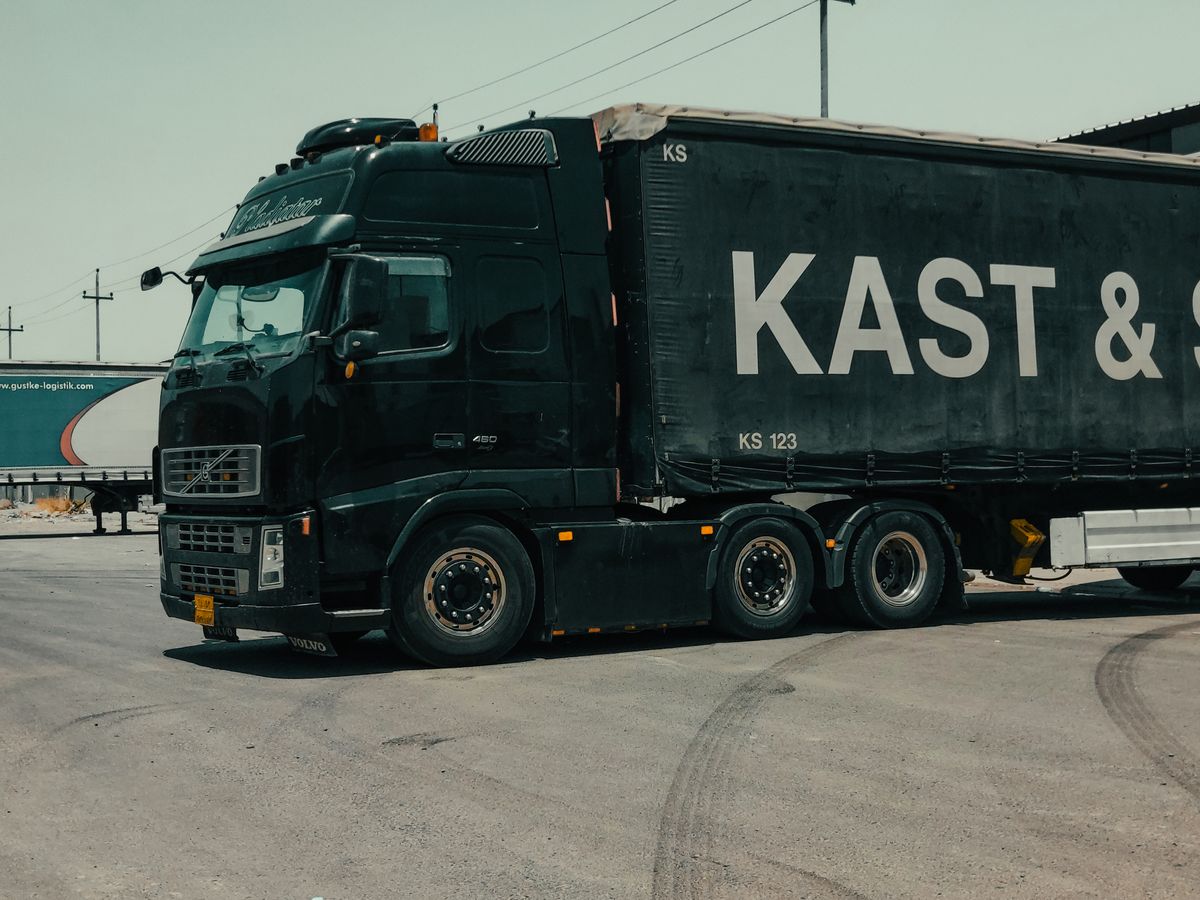
Compare drayage and truckload: definitions, costs, equipment, and operations. Find which fits your business with practical steps for 2026.
Drayage and truckload are two distinct segments of freight hauling, and choosing between them affects your equipment, income, and daily routine. Drayage moves containers over short distances, typically between ports, rail ramps, and warehouses. Truckload (TL) covers long-haul moves of full trailers from shipper to consignee. This guide breaks down the differences so you can decide which path suits your goals.
What Is Drayage?
Drayage involves moving shipping containers or trailers over short distances, usually within 50 miles of a port or rail yard. The freight is often already loaded in a container, and you haul the container on a chassis. You might do several moves per day, with each move paid separately. Typical loads include import/export goods, and you often deal with port congestion, chassis pools, and appointment windows.
What Is Truckload?
Truckload (TL) is moving a full trailer of freight from one point to another, often over 200 miles or more. You pick up a loaded trailer, drive to the destination, and drop it. You may be paid per mile or per load. TL drivers often spend days on the road, sleep in the truck, and manage their own schedules under Hours of Service (HOS) rules. The focus is on long-haul efficiency and maximizing miles.
Key Differences: Drayage vs Truckload
| Factor | Drayage | Truckload |
|---|---|---|
| Distance | Short: 10-100 miles per move | Long: 200-3,000 miles per load |
| Equipment | Day cab tractor, chassis, container | Sleeper tractor, dry van or reefer trailer |
| Pay structure | Per move, often $50-$150 per move | Per mile, often $1.50-$2.50 per mile |
| Daily volume | 3-8 moves per day | 1 load per day or less |
| Home time | Usually home daily | Often away for days or weeks |
| Entry cost | Lower: day cab and chassis can be cheaper | Higher: sleeper and trailer cost more |
| Skill focus | Port/rail procedures, chassis handling | Long-haul driving, trip planning |
Cost and Revenue Comparison (2026 Figures)
Drayage:
- Average revenue per move: $75-$150, depending on port and distance.
- Daily gross revenue: $300-$800, with 4-6 moves.
- Operating costs: fuel, chassis rental ($10-$20 per day), port fees, insurance.
- Net profit margin: 15%-25% for owner-operators.
Truckload:
- Average revenue per mile: $1.50-$2.50 for dry van, higher for specialized.
- Weekly gross revenue: $2,500-$4,500 for 2,500-3,000 miles.
- Operating costs: fuel, maintenance, truck payments, insurance.
- Net profit margin: 10%-20% for owner-operators.
Equipment costs:
- Day cab tractor: $80,000-$120,000 new, $30,000-$60,000 used.
- Sleeper tractor: $120,000-$180,000 new, $50,000-$90,000 used.
- Chassis: $15,000-$25,000 new, $5,000-$10,000 used.
- Dry van trailer: $40,000-$60,000 new, $15,000-$30,000 used.
Operational Differences: What Your Day Looks Like
Drayage driver:
- Start at a port or rail yard, pick up a chassis, and wait for a container.
- Complete paperwork, inspect the chassis, and hook up.
- Drive to the destination, often a warehouse or another rail ramp.
- Repeat 3-6 times per day. You deal with congestion, but you’re home at night.
Truckload driver:
- Pick up a loaded trailer at a shipper.
- Drive for hours or days, stopping for fuel, meals, and rest.
- Deliver, then find the next load via a dispatcher or load board.
- Sleep in the truck, manage HOS logs, and plan routes.
Which One Fits You? Practical Steps to Decide
- Assess your lifestyle: If you want to be home daily, drayage is likely better. If you don’t mind long stretches away, truckload may offer more income potential.
- Calculate startup costs: Compare the cost of a day cab plus chassis versus a sleeper plus trailer. Include insurance and permits.
- Check your local market: If you live near a major port (e.g., Los Angeles, Long Beach, Savannah, New York/New Jersey), drayage work is plentiful. If you’re in a rural area, truckload may be more accessible.
- Talk to drivers: Join forums or visit truck stops. Ask about actual earnings and daily hassles.
- Try a short-term lease or rental: Some companies offer day cab rentals or lease-purchase options. Test drayage for a month before committing.
FAQ
Can you do both drayage and truckload? Yes, some owner-operators switch between them, but it requires having both types of equipment or being flexible. Drayage equipment (day cab, chassis) isn’t ideal for long hauls, and a sleeper is overkill for port work.
Which pays more per hour? Drayage often pays more per hour because you’re working shorter, more intensive shifts. Truckload pays more per mile but includes unpaid waiting time. A 2026 survey showed drayage drivers averaging $25-$35 per hour, while truckload averages $20-$30 per hour.
Do I need a special license for drayage? No, a standard Class A CDL is required for both. However, drayage often requires TWIC (Transportation Worker Identification Credential) for port access. That costs about $125 and takes a few weeks to process.
Is drayage harder on equipment? Yes, drayage involves frequent stops, tight turns, and chassis maintenance. Expect higher brake and tire wear. Truckload has more highway miles, so engine wear is higher but components last longer.
The Bottom Line
Drayage and truckload are different careers. Drayage offers daily home time, lower startup costs, and steady local work, but it’s tied to port schedules and congestion. Truckload offers higher per-mile rates and long-haul adventure, but you sacrifice home time and face higher equipment costs. Evaluate your priorities, local market, and budget. If you’re near a port, drayage can be a profitable entry point. If you prefer the open road, truckload might be your path. Either way, start with research and a clear plan.