Drayage vs Intermodal
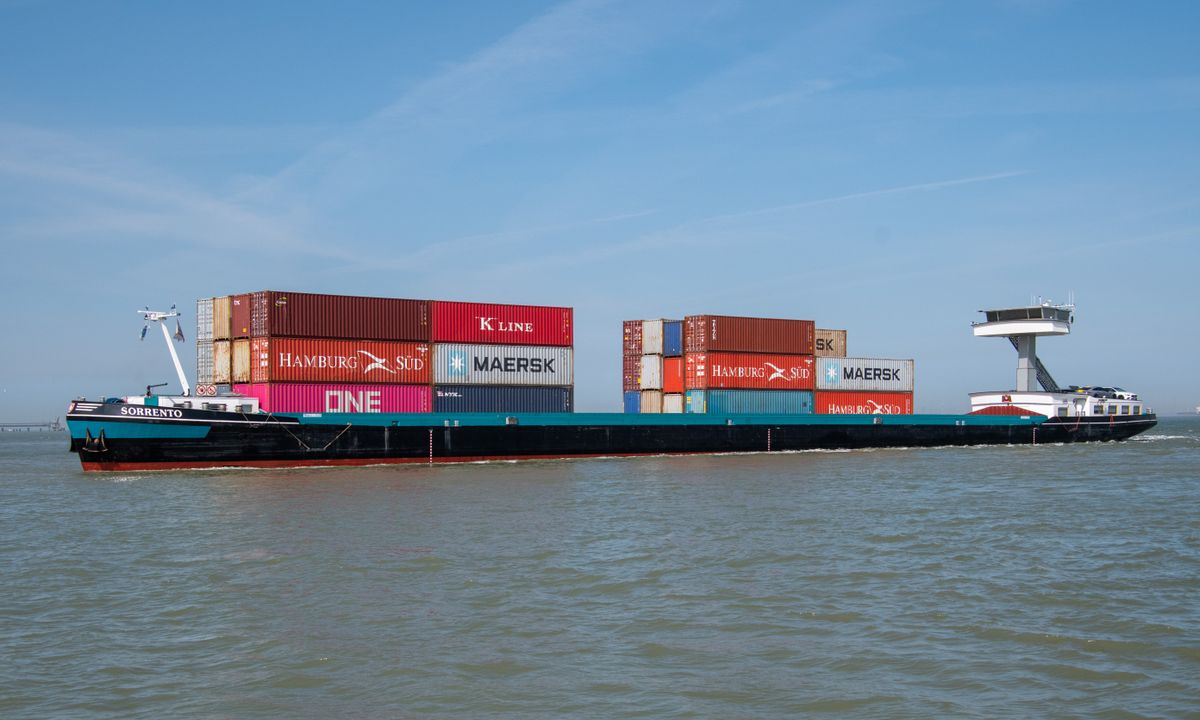
Compare drayage and intermodal trucking: costs, equipment, runs, and how to choose. Practical guide for drivers and small fleets.
If you’re trying to decide between drayage and intermodal work, the short answer is: drayage is the trucking leg of an intermodal shipment, while intermodal refers to the whole system of moving freight on multiple modes (truck, rail, ship). For a driver, drayage means short hauls to and from ports or rail ramps, often with a chassis. Intermodal as a career can mean either running those drayage moves or doing longer over-the-road hauls that connect to rail. This guide breaks down the practical differences in pay, equipment, schedules, and business setup so you can pick the right lane.
What Is Drayage?
Drayage is a specific type of trucking: moving shipping containers or trailers over short distances, usually within 50 to 150 miles of a port, rail ramp, or warehouse. You pick up a container from a vessel or train, haul it to a customer, and often return the empty container. The work is local, with frequent stops, and you’re paid by the move (per diem or per load) rather than by the mile.
Typical drayage loads include:
- Import containers from a port to a distribution center
- Export containers from a shipper to a port
- Transfers between rail ramps and local warehouses
- Empty container repositioning
What Is Intermodal?
Intermodal is the broader freight system that uses multiple modes: a ship brings a container to port, a train moves it across the country, and a truck handles the first and last miles. When people say “intermodal trucking,” they usually mean either:
- Drayage (the local truck legs), or
- Longer highway hauls that involve dropping or picking trailers at rail ramps (often called “intermodal OTR”)
In the intermodal OTR model, you might drive 300 to 600 miles to a rail ramp, drop a container, pick up another, and run back. That’s still regional, but the miles are longer and the schedule is more predictable than pure drayage.
Key Differences: Drayage vs Intermodal Trucking
| Factor | Drayage | Intermodal OTR |
|---|---|---|
| Typical haul length | 20-150 miles per move | 300-600 miles per round trip |
| Pay model | Per move, often $50-$150 per move | Per mile, often $1.50-$2.50 per mile |
| Daily earnings | $200-$400 (5-8 moves/day) | $250-$450 (500-700 miles/day) |
| Equipment | Day cab + chassis (owned or leased) | Sleeper or day cab, often company-provided |
| Home time | Daily home time | Daily or every other day |
| Schedule | Port/ramp hours, often early morning or night | Fixed rail schedules, but more predictable |
| Entry barrier | TWIC card, port/ramp credentials | Standard CDL, sometimes no TWIC needed |
| Business costs | Chassis lease ($50-$100/month), port fees | Higher fuel and maintenance costs |
Costs and Earnings: What You Need to Know
Drayage Costs
If you’re an owner-operator in drayage, your fixed costs are lower because you can run a day cab (no sleeper). But you’ll need a chassis, either owned or leased. Chassis leases run $50-$100 per month, and you’ll pay for storage if you keep a chassis at a port (some ports charge $50-$200 per month). You also need a Transportation Worker Identification Credential (TWIC), which costs $125.25 for five years (check current fee). Port and ramp access fees can add $10-$50 per visit, depending on the facility.
Intermodal OTR Costs
Intermodal OTR means more fuel, more miles, and more wear on the truck. You’ll be running 500-700 miles a day, so fuel costs are your biggest variable. At $3.50-$4.50 per gallon (2026 estimate), a truck getting 6-7 mpg will cost $250-$350 in fuel per day. Maintenance and tires also run higher. But you’ll likely get better per-mile rates, and you may not need a TWIC if you only use rail ramps.
Realistic Earnings
- Drayage: $200-$400 per day after expenses, but volume varies. Some ports have slow seasons.
- Intermodal OTR: $250-$450 per day, with more consistent miles.
- Company drivers: drayage pays $25-$35/hour; intermodal OTR pays $0.60-$0.80 per mile.
How to Choose: Which Is Right for You?
Choose drayage if:
- You want to be home every night
- You prefer shorter, more varied work
- You’re comfortable with port congestion and waiting times
- You can handle the physical work of checking chassis and securing containers
Choose intermodal OTR if:
- You want more miles and higher per-mile pay
- You prefer a predictable schedule (rail ramps run on fixed times)
- You don’t mind longer drives (300-600 miles per leg)
- You want to avoid port traffic and TWIC hassles
Practical Steps to Get Started This Week
- Get your TWIC card if you’re leaning toward drayage. Apply online at tsa.gov, schedule a fingerprinting appointment, and budget $125.25.
- Research your local port or rail ramp for access requirements. Call the terminal office and ask about chassis pool, parking, and gate hours.
- Compare pay packages on load boards like DAT or Truckstop. Search “drayage” and “intermodal” in your area to see current rates.
- Talk to a dispatcher at a local drayage company or intermodal carrier. Ask about average daily moves, wait times, and fuel surcharges.
- Calculate your break-even using a simple spreadsheet: fixed costs (insurance, truck payment, permits) plus variable costs (fuel, maintenance) divided by expected daily revenue.
FAQ
Do I need a CDL for drayage or intermodal?
Yes, both require a Class A CDL. Some drayage moves with smaller containers might only need a Class B, but most port and rail work requires Class A.
Is drayage harder on your body?
Drayage involves more physical work: cranking landing gear, checking chassis, and securing containers. Intermodal OTR is mostly driving, but you still handle some loading.
Can I do both drayage and intermodal OTR?
Yes, many drivers mix them. You might run drayage during peak port season and intermodal OTR when port volumes drop. That flexibility can smooth out income.
What’s the biggest hidden cost in drayage?
Wait times. Port congestion can eat hours, and you’re not paid for waiting. Some drayage companies pay detention after two hours, but not all. Factor that into your rate.
The Bottom Line
Drayage and intermodal are two sides of the same coin. Drayage offers daily home time and lower startup costs, but it’s sensitive to port congestion and requires a TWIC. Intermodal OTR gives you more miles and predictable schedules, but higher fuel costs and less home time. Your choice depends on your lifestyle and tolerance for waiting. Start by getting your TWIC, researching local rates, and talking to dispatchers. That will give you real numbers to make the call.