Drayage vs Flatbed
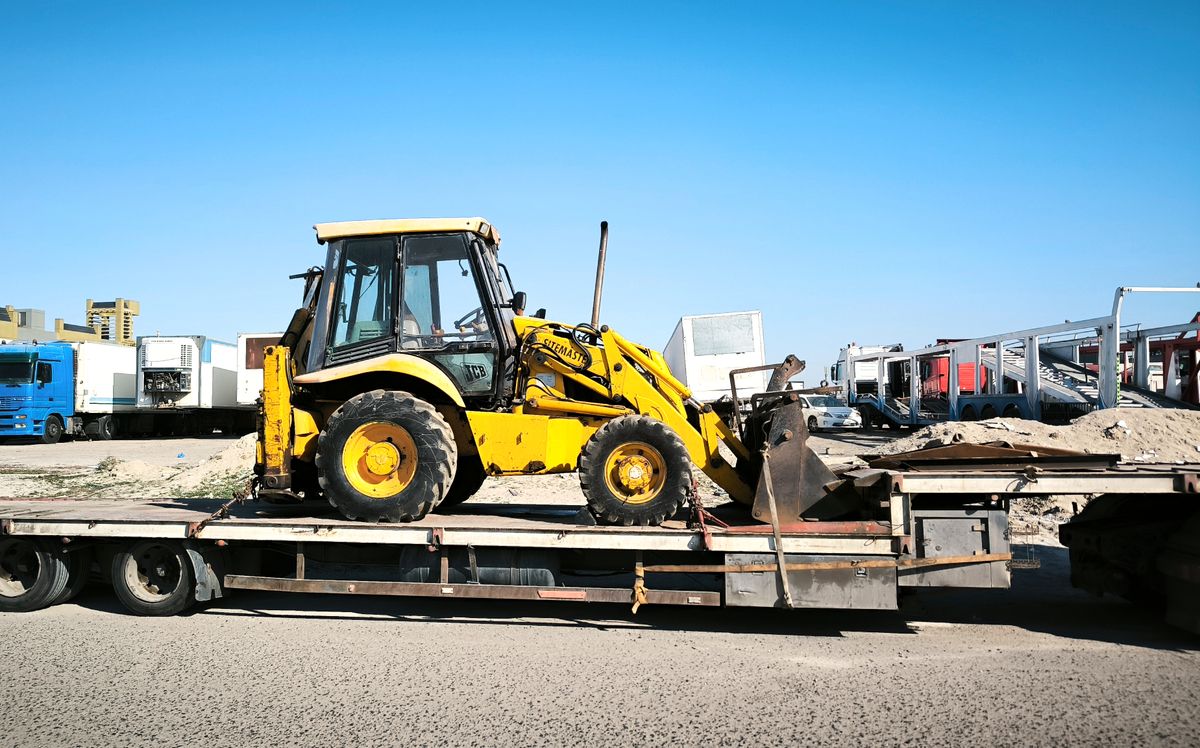
Compare drayage and flatbed trucking: pay, work, equipment, and lifestyle. See which fits your goals and how to transition.
If you’re deciding between drayage and flatbed, you’re weighing two very different careers. Drayage means short hauls around ports and rail yards, with lots of waiting and container handling. Flatbed means longer hauls, physical tarping, and securing loads. Both pay well, but the daily grind and earning potential differ. Here’s the straight comparison to help you choose.
What Is Drayage?
Drayage is the short-distance transport of shipping containers and trailers, usually between ports, rail ramps, and nearby warehouses. Trips are typically under 100 miles, and you’re often paid by the load, not by the mile. You’ll deal with chassis, container locks, and port congestion. The work is steady in major hubs like Los Angeles, Long Beach, Houston, and New York/New Jersey.
What Is Flatbed?
Flatbed trucking involves hauling freight on an open trailer, such as steel, lumber, machinery, and building materials. You’re responsible for securing the load with chains, straps, and tarps. Hauls can be regional or long-haul, often 500 to 1,500 miles. You’ll work outdoors in all weather, and physical fitness matters.
Pay and Income: Which Pays More?
Drayage drivers often earn $50,000 to $80,000 per year as company drivers, but owner-operators can gross $150,000 to $250,000 before expenses. However, port drayage has high costs: chassis rental ($50 to $100 per day), fuel, and maintenance. Detention pay (waiting at ports) is common but varies by customer.
Flatbed drivers earn $55,000 to $85,000 as company drivers, with experienced drivers making more. Owner-operators gross $180,000 to $300,000, but tarp pay and securement bonuses add up. Per-mile rates for flatbed are higher, often $1.80 to $2.50 per mile for owner-operators, versus drayage’s per-load rates of $100 to $300 per move.
Here’s a quick comparison table:
| Factor | Drayage | Flatbed |
|---|---|---|
| Average pay (company) | $50k-$80k/year | $55k-$85k/year |
| Owner-operator gross | $150k-$250k/year | $180k-$300k/year |
| Typical trip length | 10-100 miles | 500-1,500 miles |
| Physical demands | Moderate (lifting chassis pins) | High (tarping, chaining) |
| Home time | Daily (usually) | Weekly or more |
| Entry barriers | TWIC card, port experience | CDL, flatbed training |
| Main costs | Chassis rental, port fees | Tarp replacement, chains |
Work Environment and Daily Routine
Drayage is stop-and-go. You’ll spend hours waiting at port gates or customer docks. You might do 3 to 5 moves per day, each taking 2 to 4 hours. You’ll back into tight dock doors and navigate congested streets. The work is less physically demanding, but the mental stress of deadlines and traffic is real.
Flatbed is more active. You’ll spend 30 to 60 minutes securing each load, and tarping can take another 30 to 45 minutes. You’ll climb on the trailer, throw straps, and use a tarp bar. The work is outdoors, so you’ll deal with heat, cold, and rain. But you’ll see more of the country and have more open-road time.
Equipment and Costs
Drayage requires a day cab or sleeper with a chassis. Many drivers lease or own a chassis, which adds $300 to $600 per month in costs. You’ll need a TWIC card (Transportation Worker Identification Credential) for port access, which costs $125 and takes 2 to 4 weeks to process. Ports may also require additional fees, like container fees or gate passes.
Flatbed requires a flatbed trailer, which costs $20,000 to $40,000 new, or $8,000 to $15,000 used. You’ll need chains, binders, straps, and tarps, totaling $1,500 to $3,000 for a full kit. Tarps wear out and need replacement every 1 to 2 years, costing $300 to $600 each.
Lifestyle and Home Time
Drayage offers more home time. Most drayage jobs are local, so you’re home every night. If you value family time, drayage wins. However, the schedule can be unpredictable due to port delays, and you might work nights or weekends.
Flatbed often involves regional or over-the-road routes, meaning you might be away for days or weeks. Some regional flatbed jobs get you home weekly, but long-haul can be 2 to 3 weeks out. If you’re single or don’t mind being on the road, flatbed offers more adventure.
How to Choose: Practical Steps
- Assess your lifestyle needs: Do you need to be home daily? Choose drayage. If you’re okay with being away, flatbed offers higher earning potential.
- Check your physical condition: Flatbed requires strength and stamina. If you have back or knee issues, drayage is safer.
- Research your local market: Look at job boards in your area. Drayage is concentrated near ports; flatbed is more widespread.
- Talk to drivers: Join forums like TruckersReport or Reddit’s r/Truckers. Ask about pay, dispatchers, and equipment.
- Try a short stint: If possible, do a few weeks with a company in each sector before committing. Some companies offer trial periods.
FAQ
Q: Can I switch from drayage to flatbed easily? A: Yes, if you have a CDL. You’ll need flatbed training, especially for securement and tarping. Many companies offer paid training for new flatbed hires.
Q: Which has better job security? A: Both are in demand. Drayage depends on import/export volumes, which fluctuate with trade policy. Flatbed is tied to construction and manufacturing, which are steadier in most regions.
Q: Do I need a TWIC card for drayage? A: Yes, for most port work. It costs $125 and takes a few weeks to get. Some rail yards may not require it, but it’s a standard requirement.
Q: Is flatbed more dangerous? A: Flatbed has higher injury risk due to falls and heavy lifting. Drayage has more collision risk in congested port areas. Both require careful safety practices.
The Bottom Line
Drayage and flatbed are both solid careers, but they suit different people. Drayage offers daily home time and less physical strain, but you’ll deal with port congestion and per-load pay. Flatbed offers higher pay potential and more open road, but demands physical work and time away. Look at your priorities: family, fitness, and income. If you want to be home every night, start with drayage. If you’re ready to work hard and see the country, flatbed is your path. Either way, get the right training and talk to current drivers before you commit.