Drayage vs Cartage
Understand the key differences between drayage and cartage in trucking, including costs, use cases, and how to choose the right service for your freight.
If you’re new to trucking, the terms drayage and cartage can be confusing. Both involve moving freight over short distances, but they serve different purposes. Drayage typically refers to moving shipping containers to and from ports or rail ramps, while cartage is local freight delivery within a city or region. This guide breaks down the differences, costs, and when to use each.
What Is Drayage?
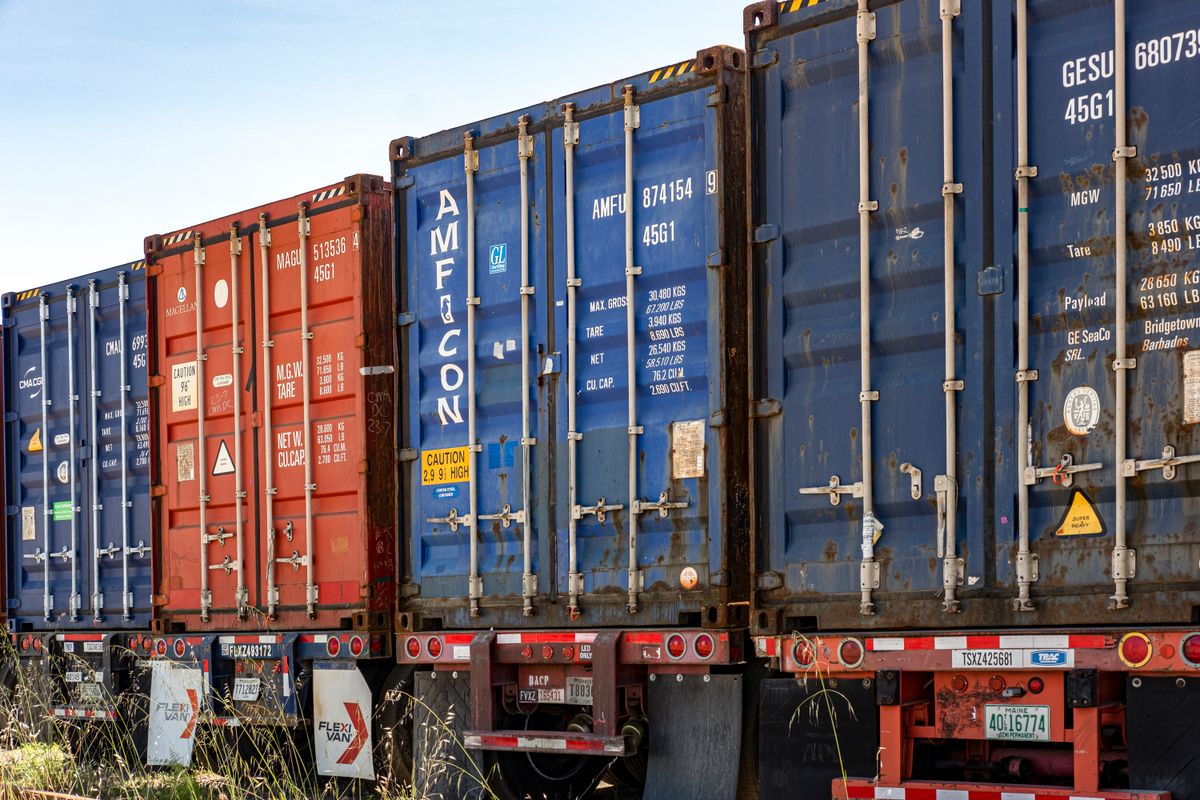
Drayage is the trucking of goods over a short distance, usually as part of a longer intermodal journey. The most common scenario is moving a container from a port or rail yard to a warehouse, distribution center, or another terminal. Drayage is a critical link in the supply chain, connecting ocean or rail transport with road transport.
Key characteristics:
- Involves containers (20, 40, or 45 feet) or trailers that are transferred from ship or train.
- Requires knowledge of port and rail yard operations, including chassis pools and appointment systems.
- Often subject to congestion, detention, and per diem fees.
- Typically charges by the move, with rates based on distance, port, and container size.
What Is Cartage?
Cartage is local freight delivery, usually within a single metro area or a radius of 50 to 150 miles. It involves moving goods from a warehouse or distribution center to retail stores, businesses, or residential addresses. Cartage can be less-than-truckload (LTL) or full truckload (FTL), but the focus is on quick, local deliveries.
Key characteristics:
- Handles palletized freight, parcels, or loose items, not typically containers.
- Requires knowledge of local roads, traffic patterns, and delivery appointment windows.
- Often involves multiple stops per trip, with stop-off charges.
- Charges by the hour, by the stop, or by weight, depending on the carrier.
Key Differences Between Drayage and Cartage
The main differences lie in the freight type, equipment, and operational focus. Drayage is container-focused and tied to intermodal infrastructure, while cartage is general freight and tied to local distribution.
| Aspect | Drayage | Cartage |
|---|---|---|
| Primary freight | Shipping containers | Pallets, parcels, general freight |
| Typical distance | 10-50 miles from port/rail | 50-150 miles within a region |
| Equipment | Chassis + container, often with twist locks | Dry van, reefer, box truck, or flatbed |
| Pricing model | Per move, often with detention fees | Per hour, per stop, or per mile |
| Key skills | Port/rail yard procedures, chassis management | Local navigation, customer service, multi-stop routing |
| Example use | Moving a 40-foot container from Port of LA to a warehouse | Delivering pallets from a distribution center to 10 retail stores |
Cost Comparison: Drayage vs Cartage
Costs vary widely by region, but here are realistic 2026 figures to give you a ballpark.
| Service | Typical Rate Range | What’s Included |
|---|---|---|
| Drayage (port move, 20-30 miles) | $150-$300 per move | Chassis, fuel, driver, basic wait time (often 1-2 hours free) |
| Drayage (rail ramp move, 30-50 miles) | $200-$400 per move | Similar to port move, but rail ramps may have different fees |
| Cartage (local delivery, per hour) | $60-$100 per hour | Driver, truck, fuel, first 30 minutes of loading/unloading |
| Cartage (per stop, LTL) | $50-$150 per stop | Includes one delivery, with additional stops at $25-$50 each |
| Cartage (per mile, FTL) | $2.50-$4.00 per mile | For longer local hauls, often with a minimum charge |
Note: Detention fees for drayage can run $50-$150 per hour after free time. Cartage may charge a similar rate for waiting at a delivery dock.
How to Choose Between Drayage and Cartage
Your choice depends on the freight and the customer’s needs. Here are practical steps to decide:
- Identify the freight type: If it’s a container coming from a port or rail, you need drayage. If it’s pallets or parcels from a local warehouse, cartage is likely.
- Check the origin and destination: If either is a port, rail yard, or intermodal terminal, drayage is required. If both are within the same metro area and not intermodal, cartage works.
- Consider the equipment: Containers need a chassis and a truck with a twist lock system. General freight can go on a standard dry van or box truck.
- Evaluate the distance: Drayage is usually under 50 miles, but cartage can go up to 150 miles. For longer distances, you might need regional trucking instead.
- Ask about appointments: Ports and rail yards require scheduled appointments, often with tight windows. Cartage deliveries may have flexible windows or require specific dock times.
Can a Trucking Company Do Both?
Yes, many carriers offer both drayage and cartage services. However, they require different operational setups. For drayage, you need relationships with chassis pools, port authorities, and rail operators. For cartage, you need a strong local network and dispatch system to handle multiple stops efficiently.
If you’re starting out, focus on one niche first. Drayage can be more lucrative but comes with higher risk of congestion and detention. Cartage offers steadier work but lower margins per stop.
Practical Steps for This Week
- Research your local market: Look at the volume of port imports or distribution centers in your area. Check online load boards like DAT or Truckstop.com for drayage and cartage postings to see rates.
- Talk to other drivers: Join forums or Facebook groups for truckers in your region. Ask about typical rates and pain points.
- Get the right insurance: Both drayage and cartage require cargo insurance, but drayage may need higher limits due to container value. Check with your insurer for quotes.
- Consider equipment: If you’re leaning drayage, you’ll need a truck with a wet kit (for hydraulic lifts) and access to chassis. If cartage, a dry van or box truck is more versatile.
FAQ
Is drayage more profitable than cartage?
Drayage can be more profitable per move, but it also has higher costs for equipment and more downtime due to port congestion. Cartage offers more consistent work but lower margins. Profitability depends on your efficiency and local demand.
Do I need a special license for drayage?
No, a standard Class A CDL is sufficient for both drayage and cartage. However, you may need TWIC (Transportation Worker Identification Credential) to access ports, which requires a background check and costs about $125-$150.
Can I use the same truck for both?
Yes, if you have a day cab or sleeper with a chassis, you can do both. But you’ll need to switch between container chassis and a dry van or flatbed, which takes time. Many drivers specialize to avoid the hassle.
How do I find drayage or cartage jobs?
For drayage, contact local drayage companies or check with port authorities for approved carriers. For cartage, sign up with load boards, work with freight brokers, or approach local warehouses directly. Networking is key.
The Bottom Line
Drayage and cartage are both short-haul trucking, but they serve different niches. Drayage is container-focused and tied to ports and rail, while cartage is general freight within a local area. Choose based on your freight type, equipment, and comfort with port operations. Start by researching your local market and talking to experienced drivers. With the right approach, either can be a solid business, but don’t try to do both until you’ve mastered one.