Average Diesel Fuel Prices by State
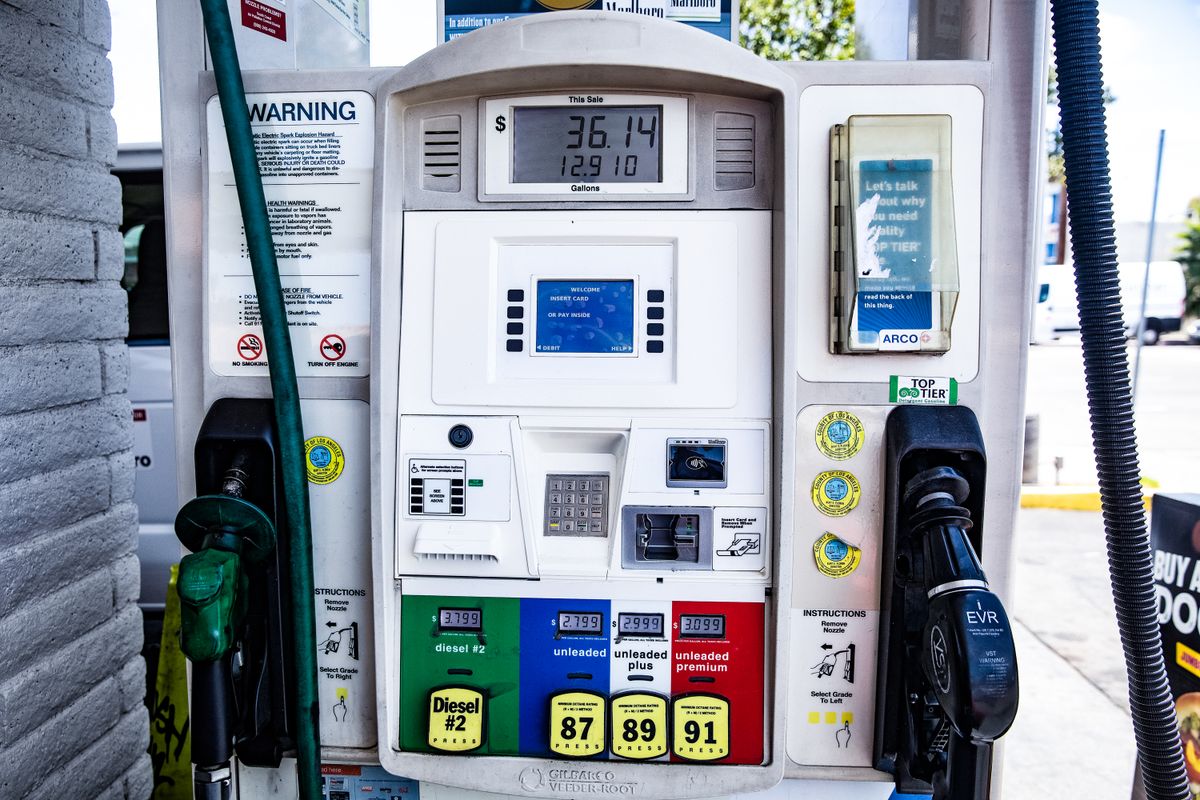
See current average diesel prices by state, regional trends, and practical tips to cut fuel costs. Updated for 2026.
Diesel fuel is one of the biggest operating costs for any trucker, and prices vary widely depending on where you fill up. As of early 2026, the national average for on-highway diesel is around $3.85 per gallon, but state averages range from roughly $3.40 in the Gulf Coast region to over $4.50 on the West Coast. This guide breaks down the latest numbers by state and region, explains why prices differ, and gives you actionable steps to save money at the pump this week.
Why Diesel Prices Vary by State
Several factors push diesel prices up or down in different states:
- State fuel taxes: Diesel excise taxes range from about $0.15 per gallon in Alaska to over $0.40 in Pennsylvania and California. Combined state and federal taxes (federal is $0.244 per gallon) can add $0.40 to $0.70 per gallon.
- Proximity to refineries and pipelines: States near the Gulf Coast, where most U.S. refining happens, tend to have lower prices. The Northeast and West Coast often pay more because of transportation costs and stricter fuel blends.
- Environmental regulations: California and other states require special low-emission diesel blends, which cost more to produce and distribute.
- Local competition and demand: Urban areas with many truck stops may have more competitive pricing, while remote stretches with few options can be pricier.
Average Diesel Prices by State (January 2026)
The following table shows approximate average retail prices per gallon for on-highway diesel. Figures are based on recent data from the U.S. Energy Information Administration and state fuel tax reports. Prices are rounded to the nearest cent and can vary by $0.10 to $0.20 within a state.
| State | Average Price per Gallon |
|---|---|
| Alabama | $3.52 |
| Alaska | $4.10 |
| Arizona | $3.95 |
| Arkansas | $3.48 |
| California | $4.85 |
| Colorado | $3.65 |
| Connecticut | $4.05 |
| Delaware | $3.75 |
| Florida | $3.70 |
| Georgia | $3.55 |
| Idaho | $3.90 |
| Illinois | $3.85 |
| Indiana | $3.60 |
| Iowa | $3.50 |
| Kansas | $3.45 |
| Kentucky | $3.55 |
| Louisiana | $3.40 |
| Maine | $4.00 |
| Maryland | $3.80 |
| Massachusetts | $4.05 |
| Michigan | $3.75 |
| Minnesota | $3.60 |
| Mississippi | $3.45 |
| Missouri | $3.50 |
| Montana | $3.80 |
| Nebraska | $3.55 |
| Nevada | $4.20 |
| New Hampshire | $3.95 |
| New Jersey | $3.70 |
| New Mexico | $3.60 |
| New York | $4.15 |
| North Carolina | $3.65 |
| North Dakota | $3.55 |
| Ohio | $3.60 |
| Oklahoma | $3.40 |
| Oregon | $4.30 |
| Pennsylvania | $4.10 |
| Rhode Island | $4.00 |
| South Carolina | $3.50 |
| South Dakota | $3.60 |
| Tennessee | $3.55 |
| Texas | $3.45 |
| Utah | $3.70 |
| Vermont | $4.10 |
| Virginia | $3.65 |
| Washington | $4.45 |
| West Virginia | $3.80 |
| Wisconsin | $3.60 |
| Wyoming | $3.65 |
Note: These are statewide averages. Prices can be higher or lower depending on the specific location and time of day.
Regional Breakdown: Where to Fill Up Cheap
If you’re planning a route, here’s how the regions stack up:
- Gulf Coast (TX, LA, MS, AL): Lowest prices, often $3.40 to $3.55. This is due to refinery concentration and lower taxes.
- Southeast (GA, FL, SC, NC): Moderate, $3.50 to $3.70. Competitive markets keep prices reasonable.
- Midwest (OK, KS, MO, IA): Generally $3.45 to $3.60. Good options if you’re crossing the country.
- Northeast (NY, PA, CT, MA): Higher, $4.00 to $4.15. Higher taxes and colder weather blends increase costs.
- West Coast (CA, OR, WA): Highest, $4.30 to $4.85. Strict environmental rules and limited pipeline access drive prices up.
How to Save on Diesel This Week
You don’t have to accept the pump price. Here are practical steps you can take now:
- Use fuel discount apps: Apps like Trucker Path, Mudflap, and FuelMe offer per-gallon discounts at participating truck stops. You can save $0.10 to $0.50 per gallon.
- Join loyalty programs: Major chains like Pilot Flying J, Love’s, and TA offer rewards that reduce the price per gallon. Sign up for free and stack with other discounts.
- Plan your fuel stops: Use apps or websites to compare prices along your route. A 50-cent difference per gallon on a 200-gallon fill is $100. Plan to fill up in cheaper states when possible.
- Consider fuel cards: Many fuel cards offer rebates of $0.05 to $0.15 per gallon. If you have a business, these can add up. Compare cards like EFS, Comdata, and T-Chek.
- Check your tire pressure: Under-inflated tires increase rolling resistance and fuel consumption. Properly inflated tires can improve fuel economy by up to 3%.
- Reduce idling: Idling burns about 0.8 to 1 gallon per hour. Use an APU or shore power to cut costs.
Frequently Asked Questions
Why is diesel more expensive than gasoline?
Diesel has a higher energy content and requires more refining, but the main reason is demand. Diesel is used for freight, agriculture, and heating, so it’s less affected by seasonal gasoline swings. Taxes and production costs also play a role.
How often do diesel prices change?
Diesel prices can change daily, but the national average is updated weekly by the EIA. Local prices can change more frequently based on supply and demand.
Is it worth driving a few miles to a cheaper station?
If you’re a trucker, yes, if the detour is short. For example, if you need 200 gallons and the price is $0.20 cheaper, you save $40. But if you burn 5 gallons to get there and back, that’s about $19 in fuel, so you still save $21. Use a truck-specific GPS to factor in time and miles.
What is the federal tax on diesel?
The federal excise tax on diesel is $0.244 per gallon. State taxes add on top of that, ranging from about $0.15 to $0.40 per gallon.
The Bottom Line
Diesel prices vary significantly by state, and the West Coast is consistently the most expensive, while the Gulf Coast offers the lowest prices. To cut costs, use fuel discount apps, plan your stops, and maintain your truck. Even small changes can save you hundreds of dollars a month. Check current prices before you roll, and always factor fuel into your rate negotiations.