Average Cost of Diesel in USA
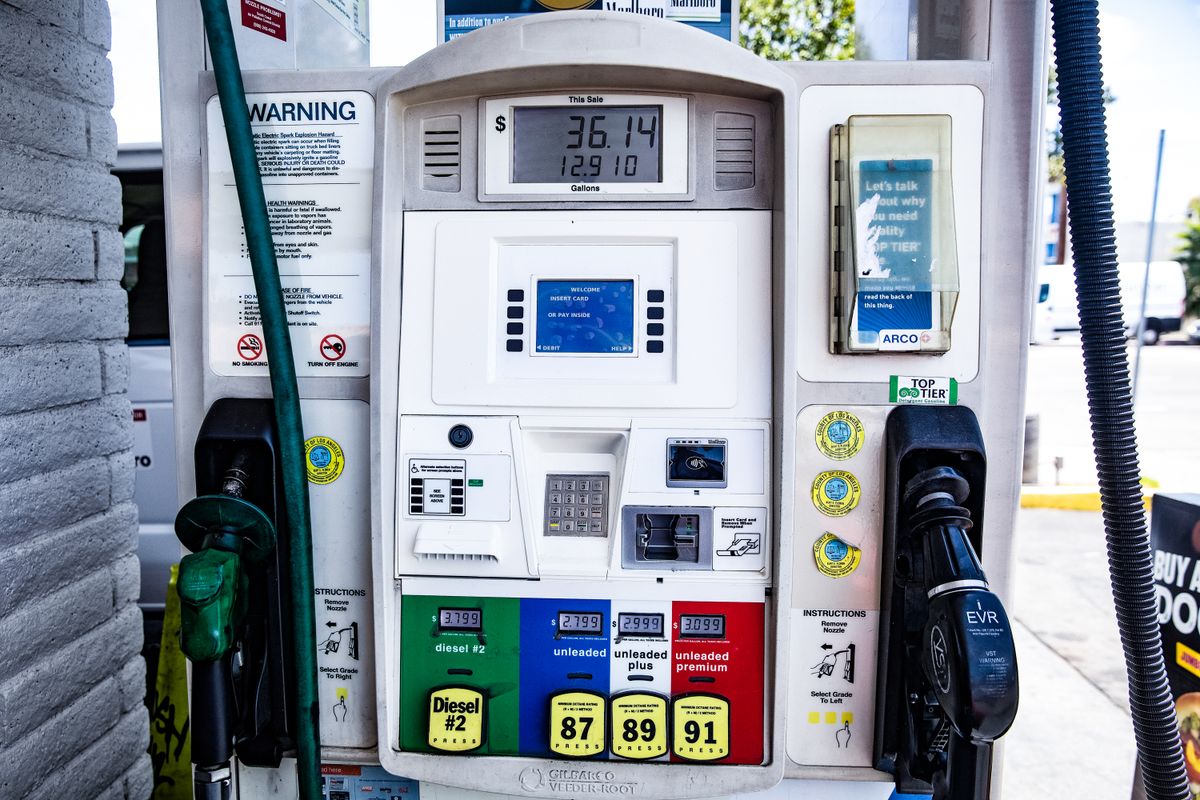
Get the current average diesel price in the USA, factors affecting costs, and practical tips to save on fuel in 2026.
As of early 2026, the average cost of diesel in the USA is around $3.60 to $4.20 per gallon. However, prices vary significantly by region, with states like California often exceeding $5.00, while Gulf Coast states may see prices below $3.50. This guide breaks down the numbers, what drives them, and how you can manage your fuel budget.
Current National Averages
The U.S. Energy Information Administration (EIA) tracks diesel prices weekly. In January 2026, the national average for on-highway diesel is approximately $3.85 per gallon. Here’s a snapshot of regional averages (as of early 2026):
| Region | Average Price per Gallon |
|---|---|
| East Coast | $3.90 - $4.10 |
| Midwest | $3.70 - $3.90 |
| Gulf Coast | $3.45 - $3.65 |
| Rocky Mountain | $3.80 - $4.00 |
| West Coast | $4.50 - $5.20 |
These are retail prices at truck stops, including taxes. Wholesale prices are lower, but as a driver, you pay retail.
Why Diesel Prices Vary
Several factors affect what you pay at the pump:
- Crude oil prices: Diesel is refined from crude, so global oil prices are the biggest driver. In 2026, crude is around $70-$85 per barrel.
- Refining capacity: When refineries undergo maintenance or unexpected outages, diesel supply tightens, pushing prices up.
- Taxes: Federal excise tax is $0.244 per gallon, but state taxes range from $0.15 (Alaska) to $0.74 (California). This alone can cause a $0.60 swing.
- Regional supply and demand: Areas with high agricultural or industrial activity may see higher prices due to demand. Remote regions have higher transport costs.
- Seasonality: Diesel prices often rise in winter due to increased heating oil demand (similar fuel) and in summer due to driving season.
How to Find the Best Diesel Prices
You don’t have to accept the first price you see. Here are practical steps to cut your fuel costs:
- Use fuel discount apps: Apps like Trucker Path, Fuelio, or the Pilot Flying J app show real-time prices at thousands of truck stops. Many offer loyalty discounts (e.g., 3-5 cents off per gallon).
- Join truck stop loyalty programs: Pilot Flying J, Love’s, and TA/Petro offer points and discounts. For example, Love’s gives 2 cents off per gallon for members.
- Consider fuel cards: Cards like EFS, Comdata, or WEX often have negotiated discounts at specific chains. Compare the per-gallon savings and fees.
- Plan your route around fuel stops: Use apps to find cheaper fuel along your route, but factor in detour time and miles. A 20-mile detour may cost more than the savings.
- Buy in bulk where possible: Some truck stops offer lower prices for 100+ gallon purchases. If your tank holds 150 gallons, fill up completely.
- Check state fuel tax rates: If you’re crossing state lines, plan to fill up in states with lower taxes. For example, filling in Texas instead of California can save $0.50-$0.70 per gallon.
Budgeting for Fuel Costs
Fuel is typically your largest variable expense, often 30-40% of operating costs. Here’s how to budget:
- Know your truck’s mpg: Most Class 8 trucks get 6-8 mpg. If you average 7 mpg and drive 10,000 miles per month, you’ll use about 1,429 gallons. At $3.85/gallon, that’s $5,500 per month.
- Track fuel purchases: Use a logbook or app to record every fill-up. This helps you spot trends and identify where you’re overpaying.
- Set a target price: Based on your route, set a target price per gallon. If prices are higher, adjust your routing or load planning.
- Use fuel surcharges: If you’re an owner-operator under contract, ensure your rate includes a fuel surcharge that adjusts with diesel prices. The average surcharge is around $0.15-$0.25 per mile when diesel is $3.50-$4.00.
Fuel Saving Strategies
Beyond finding cheaper diesel, you can reduce consumption:
- Reduce idling: Idling burns 0.8-1.0 gallons per hour. Use an APU or bunk heater instead. Saving 2 hours of idling per day can save $200-$300 per month.
- Maintain proper tire pressure: Underinflated tires increase rolling resistance, cutting mpg by up to 3%. Check weekly.
- Drive at 60-65 mph: Every 5 mph over 65 reduces mpg by about 0.5-1.0 mpg. At 7 mpg, dropping from 70 to 65 could save 0.5 mpg, translating to $275 per 10,000 miles.
- Use cruise control: On flat terrain, cruise control maintains a steady speed, improving fuel economy by 5-10%.
- Plan efficient routes: Avoid congested areas and steep grades where possible. Use GPS designed for trucks.
FAQ
Why is diesel more expensive than gasoline?
Diesel is subject to higher federal and state taxes, and U.S. refineries produce less diesel relative to demand, so it often costs more. Additionally, diesel has higher energy content, which can justify a premium, but taxes are the main reason.
How often do diesel prices change?
Diesel prices are updated weekly by the EIA, but retail prices can change daily based on crude oil movements and local competition. Truck stops often adjust prices on Monday or Thursday.
Can I negotiate fuel prices?
As an individual driver, you typically can’t negotiate at a pump. However, if you’re a fleet owner or buy in bulk (e.g., 1,000+ gallons per month), you can negotiate with fuel card providers or local fuel suppliers for volume discounts.
What is the average diesel price per mile?
At 7 mpg and $3.85/gallon, fuel cost per mile is about $0.55. This varies with your truck’s efficiency and regional prices.
The Bottom Line
Diesel prices in the USA in 2026 average $3.60-$4.20 per gallon, but your actual cost depends on location, taxes, and how you manage fuel. Use apps to find the best prices, join loyalty programs, and adopt fuel-saving habits. By tracking your spending and planning routes, you can cut fuel costs by 10-15%, which on a $5,000 monthly fuel bill saves $500-$750. Stay informed with weekly EIA updates and adjust your budget accordingly. Every cent per gallon counts when you’re driving 100,000 miles a year.