Are Diesel Prices Coming Down
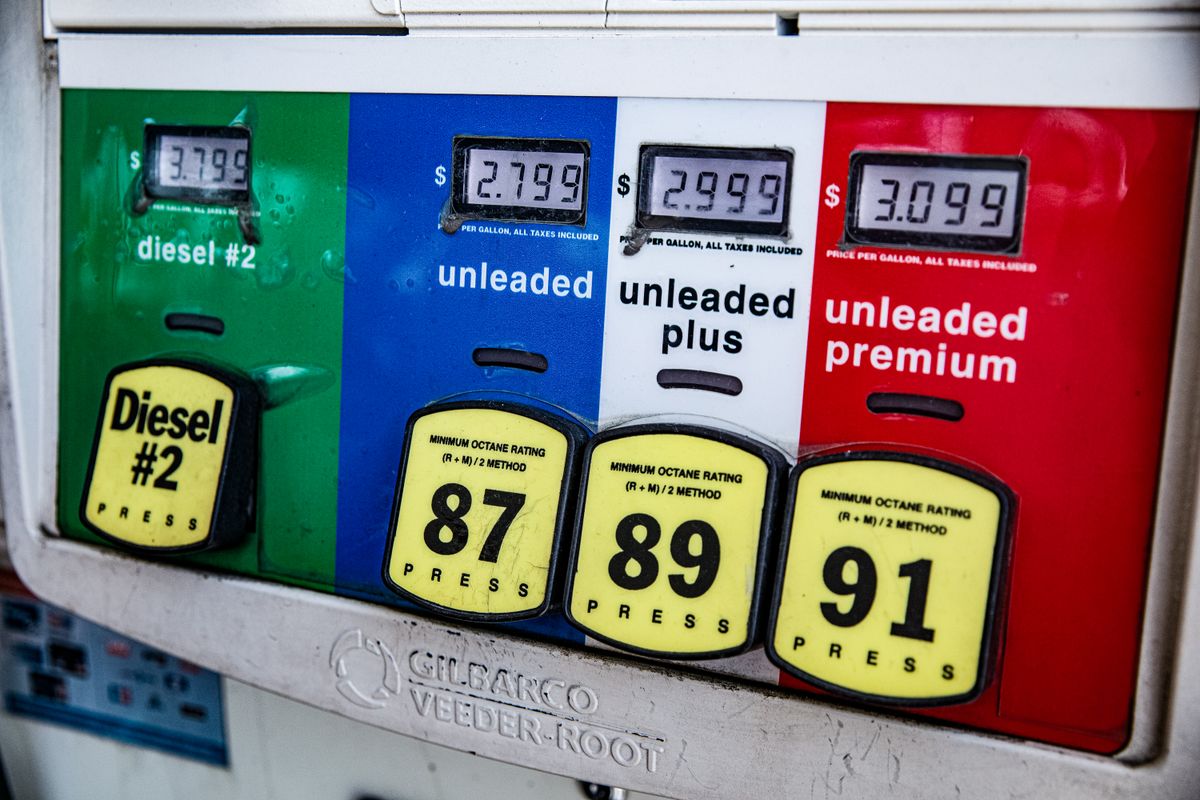
Diesel prices in 2026: current trends, forecasts, and practical steps to manage fuel costs. Get straight answers for truckers.
Diesel prices are a moving target, and as of early 2026, the national average sits around $3.85 per gallon, down from $4.20 a year ago. But are they coming down further? The short answer: yes, but slowly and unevenly. Here’s what’s driving the trend, what to expect in the coming months, and how to protect your bottom line regardless of the pump price.
Current Diesel Price Snapshot (February 2026)
The national average for on-highway diesel is approximately $3.80 to $3.90 per gallon, according to the latest EIA data. Regional differences are significant:
- Gulf Coast: $3.55-$3.65 (lowest, due to refinery concentration)
- Midwest: $3.70-$3.80
- West Coast: $4.20-$4.40 (highest, due to CARB standards and taxes)
- Northeast: $3.90-$4.00
These are retail prices at truck stops; your actual cost per gallon can be lower with fuel cards, bulk discounts, or negotiated rates.
Why Prices Are Trending Down
Several factors are pushing diesel prices lower in 2026:
- Global crude oil supply: OPEC+ has increased production quotas, and US shale output remains strong. Brent crude is hovering around $70-$75 per barrel, down from $85 in mid-2025.
- Weaker demand: Slower industrial activity and a mild winter have reduced heating oil demand, which shares a distillate pool with diesel.
- Refinery capacity: New refinery expansions in the US and Middle East have added supply, easing the tightness seen in 2022-2023.
- Strong dollar: A firmer US dollar makes oil cheaper in dollar terms, contributing to lower import costs.
However, don’t expect a crash. Diesel prices are sticky due to taxes (federal excise tax of $0.244 per gallon, plus state taxes averaging $0.33), and refining margins remain above historical norms.
Forecast for the Next 6 Months
Most analysts predict diesel will stay in the $3.70-$4.00 range through mid-2026. Here’s a rough timeline:
- Q1 2026 (now): Prices are near the bottom of the range, but spring refinery maintenance could cause temporary spikes of $0.10-$0.20.
- Q2 2026: Expect moderate increases as driving season approaches, but not above $4.10 nationally unless geopolitical events disrupt supply.
- Q3 2026: Summer demand peaks, but if OPEC+ continues to increase supply, prices could dip back to $3.80.
Key wildcards: hurricanes in the Gulf (refinery shutdowns), Russia-Ukraine conflict escalation, or a sudden OPEC+ policy change. None are predictable, but they’re worth monitoring.
Practical Steps to Cut Fuel Costs This Week
Regardless of the macro trend, you can reduce your per-mile fuel cost with these actions:
- Use a fuel card with discounts: Programs like TSD, Fuelman, or Comdata offer $0.10-$0.50 off per gallon at partner stations. Compare rates; some charge fees, so calculate net savings.
- Check apps for price differences: Apps like Trucker Path, Fuelio, or GasBuddy show real-time prices. A 50-cent difference between stations can save $20 on a 40-gallon fill-up.
- Optimize your route: Use routing software that factors in fuel prices and terrain. Avoiding mountains and traffic can improve mpg by 5-10%.
- Maintain tire pressure: Underinflated tires can cut fuel economy by up to 3%. Check weekly; use a tire pressure monitoring system if you have one.
- Reduce idling: Idling burns 0.8-1.5 gallons per hour. Use APUs or shore power when possible. Even cutting idle time by 1 hour per day saves $3-$5 at current prices.
- Buy in bulk: If you have storage capacity, purchase fuel in bulk from suppliers like Pilot Flying J or Love’s at wholesale rates, which can be $0.20-$0.40 cheaper per gallon.
Fuel Cost Comparison: Strategies at a Glance
| Strategy | Upfront Cost | Potential Savings per Gallon | Effort Level |
|---|---|---|---|
| Fuel card (e.g., TSD) | Free | $0.10-$0.50 | Low |
| Price apps | Free | $0.05-$0.20 | Low |
| Route optimization software | $50-$100/month | $0.02-$0.05 (plus time savings) | Medium |
| Tire pressure maintenance | $0 (if manual) | Up to 3% fuel economy | Low |
| Idle reduction (APU) | $8,000-$12,000 | $1,500-$3,000/year | High |
| Bulk fuel storage | $5,000+ | $0.20-$0.40 | High |
Choose based on your fleet size and capital. For owner-operators, fuel cards and apps are the quickest wins.
FAQ
Q: Will diesel prices go below $3.50 in 2026?
A: Unlikely. The national average hasn’t been below $3.50 since 2021. Even with lower crude, taxes and refining costs create a floor around $3.60-$3.70.
Q: How do diesel prices affect freight rates?
A: Fuel surcharges (FSC) are tied to the national average. When diesel drops, FSC drops, but base rates often stay flat. Negotiate your FSC separately; don’t let a fuel price drop eat into your margin.
Q: Is it worth driving to a cheaper station 20 miles away?
A: Only if the price difference is more than $0.20 per gallon and you’re not burning extra fuel to get there. A 20-mile detour in a truck burning 6 mpg costs about $12 in fuel; you’d need to save at least that.
Q: How often do diesel prices change?
A: The EIA updates the national average every Monday. Retail prices can change daily, but major swings happen weekly. Check Monday morning to plan your week.
The Bottom Line
Diesel prices are coming down, but slowly, and they’ll likely settle in the $3.70-$4.00 range for the next six months. Don’t wait for a bigger drop; take action now. Use fuel cards, compare prices, and trim your operating costs. Every cent you save per gallon adds up: at 10,000 gallons per year, a $0.10 discount saves $1,000. That’s real money for your business.
Stay informed with the EIA’s weekly diesel price report, and adjust your strategies as the market moves. The key is not to predict prices, but to respond to them quickly and efficiently.