Are Diesel Fuel Prices Increasing Near Me
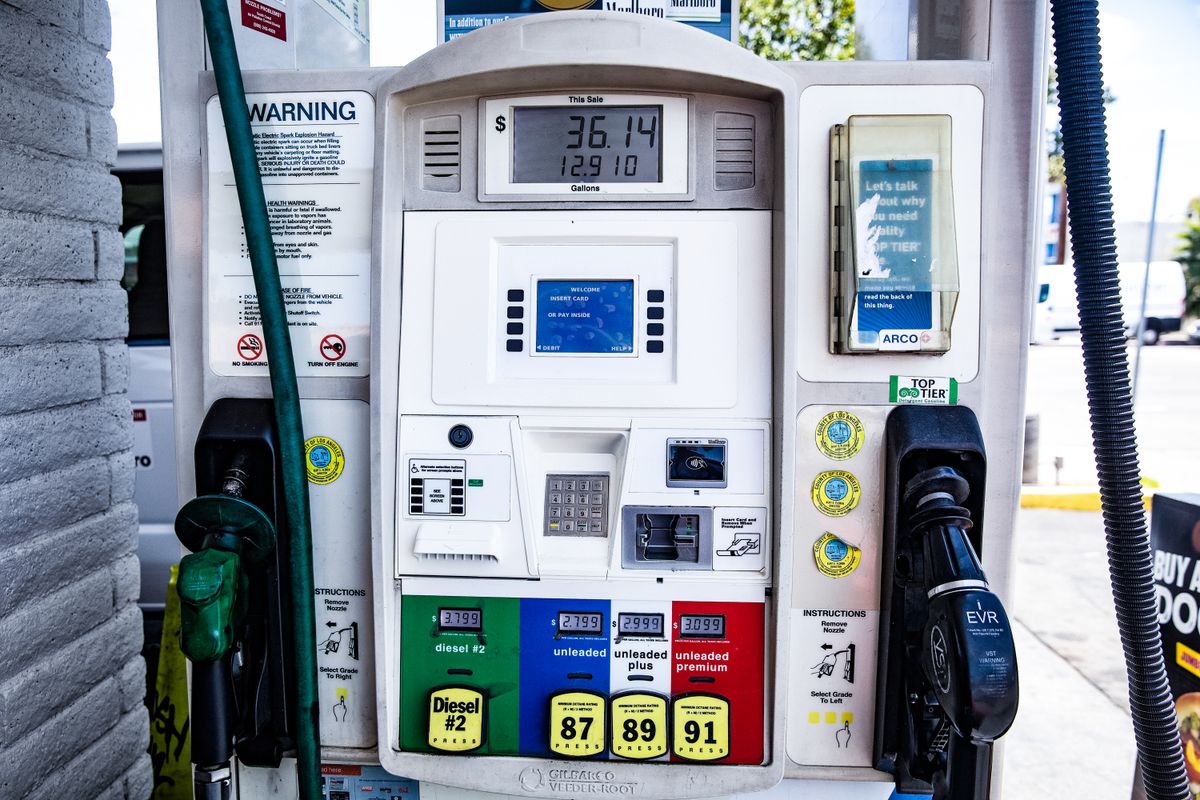
Diesel prices in 2026: current national averages, regional trends, and practical steps to find the best local fuel prices this week.
If you’re asking whether diesel prices are going up near you, the short answer is: it depends on your region, but national averages have been trending upward in early 2026. As of February 2026, the U.S. average for on-highway diesel is around $3.85 per gallon, up about 8 cents from a month ago. However, prices can vary by 50 cents or more between states, and even between neighboring truck stops. Here’s what’s driving the increase and how to lock in better prices this week.
What’s Driving Diesel Prices in 2026
Several factors are pushing diesel costs higher right now:
- Crude oil prices: West Texas Intermediate (WTI) crude is hovering near $78-$82 per barrel, up from $70 in late 2025. Diesel tracks crude closely, but with a lag.
- Refinery maintenance: Many refineries schedule maintenance in late winter, reducing diesel supply. This is a seasonal pattern that typically peaks in February and March.
- Heating oil demand: Cold snaps in the Northeast and Midwest increase demand for heating oil, which shares a distillation cut with diesel, pulling supply away.
- Global supply: OPEC+ production cuts and geopolitical tensions in the Middle East have tightened global diesel inventories.
- State taxes and regulations: California’s diesel prices are always higher due to the Low Carbon Fuel Standard and higher excise taxes, currently averaging $5.10 per gallon. Other states like New York and Pennsylvania also run above the national average.
These factors combine to create a short-term upward trend, but prices can also drop quickly if crude falls or refineries return from maintenance.
National and Regional Price Averages (February 2026)
Here are approximate average diesel prices by region, based on recent data from the EIA and AAA. Use these as a baseline, but check your local area for exact numbers.
| Region | Average Price per Gallon |
|---|---|
| U.S. National | $3.85 |
| East Coast (PADD 1) | $3.95 |
| Midwest (PADD 2) | $3.75 |
| Gulf Coast (PADD 3) | $3.60 |
| Rocky Mountain (PADD 4) | $3.80 |
| West Coast (PADD 5) | $4.60 |
| California | $5.10 |
Note: These are retail prices at truck stops, including taxes. Prices can be 10-20 cents lower at high-volume truck stops or with loyalty programs.
How to Find the Best Diesel Prices Near You Today
Don’t rely on the first pump you see. Use these methods to find cheaper diesel in your area:
- Use fuel price apps: Apps like Trucker Path, DAT Fuel, and Fuelster show real-time prices at thousands of truck stops. Filter by your route and set alerts for price drops.
- Check loyalty programs: Major chains like Pilot/Flying J, Love’s, and TA/Petro offer discounts of 3-10 cents per gallon through loyalty apps. Some credit cards (like the TSD Card) give cashback on fuel, effectively lowering the price.
- Call ahead: If you’re near a smaller station, call to confirm the price. Apps can be outdated by a day.
- Compare cash vs. credit: Some stations charge a lower price for cash or EFS checks. If you pay with a fuel card, check the transaction fee; sometimes the fee outweighs the discount.
- Time your purchases: Diesel prices often rise on weekends and fall on Tuesdays or Wednesdays. If you can wait a day, you might save 2-5 cents per gallon.
- Buy in bulk: If you own a small fleet, consider a bulk fuel tank or a fuel card that offers volume discounts. Even a 5-cent discount adds up: 10,000 gallons a month saves $500.
Is It Worth Driving Out of Your Way for Cheaper Diesel?
Sometimes a station 5 miles off the highway has prices 15 cents lower. But you need to factor in the extra miles and time. Use this simple rule: if the detour is less than 2 miles and the price difference is more than 10 cents, it’s usually worth it. For a truck getting 6 mpg, driving 2 extra miles costs about 0.33 gallons of fuel, which at $3.85 is $1.27. If you buy 100 gallons, a 10-cent discount saves $10, so you net $8.73. But if the detour is 10 miles, the cost is $6.35, and you only save $3.65. Always do the math.
What to Expect in the Coming Months
Based on current trends, diesel prices are likely to stay elevated through March 2026, then ease slightly as refinery maintenance ends and spring demand for heating oil drops. However, if crude oil stays above $80, prices could remain above $3.90 nationally. Watch these indicators:
- Weekly EIA diesel price report: Released every Monday, this gives you the national average and trends.
- Crude oil futures: If WTI drops below $75, diesel will likely follow within two weeks.
- Refinery utilization rates: If they climb above 90%, supply is improving.
Frequently Asked Questions
Why is diesel more expensive than gasoline? Diesel has higher federal excise tax (24.3 cents per gallon vs. 18.4 cents for gasoline) and often higher state taxes. Also, global demand for diesel (used in trucks, trains, and heating) is strong, and refining diesel requires more processing.
How much does a truck stop charge for diesel in 2026? The national average is $3.85, but you’ll find prices from $3.40 in Texas to $5.50 in California. High-volume truck stops on major interstates usually have the lowest prices.
Can I negotiate fuel prices with a truck stop? As an individual driver, rarely. But if you’re a fleet owner buying 5,000+ gallons per month, you can negotiate a discount with a fuel card provider or a specific truck stop chain.
Will diesel prices drop this spring? Historically, prices drop 5-10 cents from March to May as heating demand fades and refineries return from maintenance. But if crude rises, that trend can be offset.
The Bottom Line
Yes, diesel prices are increasing in most areas right now, driven by seasonal refinery maintenance and higher crude oil costs. But you can fight back by using fuel apps, loyalty programs, and smart routing. Check prices daily, compare at least two stations near your route, and don’t be afraid to adjust your fueling stops. Even a 5-cent per gallon savings adds up to $250 per year for a typical driver using 5,000 gallons. Stay informed with weekly EIA reports, and you’ll be ready when prices swing.