Rebuilding an Engine vs Overhaul an Engine
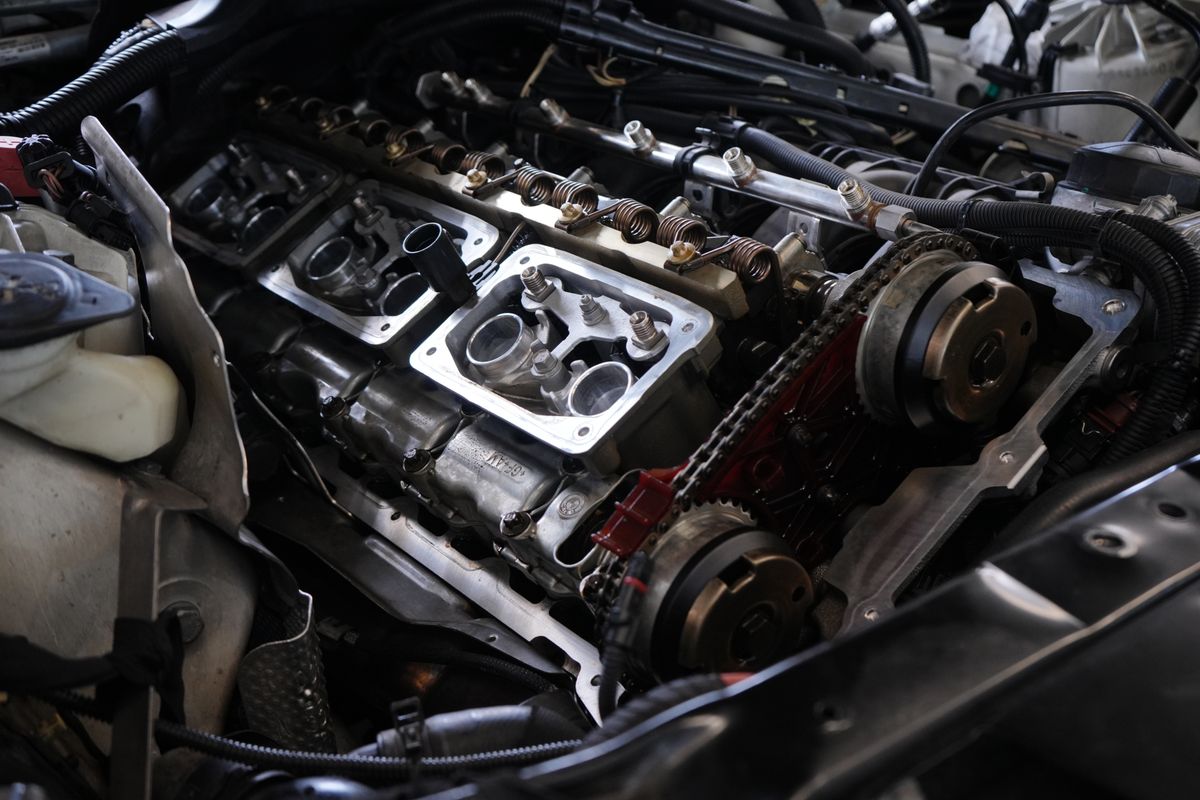
Compare diesel engine rebuild vs overhaul: costs, steps, downtime, and when to choose each. Get straight answers for your truck.
When your diesel engine starts knocking, burning oil, or losing power, you face a big decision: rebuild it or overhaul it. The terms get thrown around like they mean the same thing, but they don’t. A rebuild means replacing major internal components like pistons, rings, and bearings, often with the crank and block machined. An overhaul is a less invasive refresh, usually replacing gaskets, seals, and maybe rings and bearings, without pulling the engine apart to the bare block. Here’s the direct answer: if your engine has high miles (over 750,000) or significant wear, a full rebuild is the safer bet. If it’s a minor leak or a blown head gasket with decent compression, an overhaul can get you back on the road for less. But the real cost and downtime difference is what you need to plan for.
What a Rebuild Actually Involves
A full rebuild, sometimes called an in-frame or out-of-frame rebuild, means the engine comes out (or the cab tips) and gets completely disassembled. The block is hot-tanked, inspected for cracks, and machined if needed. The crank is ground or replaced, and you get new pistons, liners, rings, bearings, and a full gasket set. You’re essentially building a new engine inside the old block.
Costs for a rebuild on a Class 8 diesel (like a Detroit DD15, Cummins X15, or PACCAR MX-13) run $18,000 to $35,000 for parts and labor at a shop. If you do it yourself in your own shop, parts alone run $8,000 to $15,000, but you need the tools and time. Downtime is 2 to 4 weeks for a shop, longer if you’re waiting on parts.
What an Overhaul Covers
An overhaul is a top-end or bottom-end refresh, depending on what’s worn. A top-end overhaul replaces the cylinder head gaskets, valve stem seals, and maybe injector cups. A bottom-end overhaul replaces main and rod bearings, and often rings and liners, but leaves the crank in place if it’s in spec. You’re not machining the block or replacing pistons unless they’re scored.
Costs run $6,000 to $12,000 for a shop job, $3,000 to $6,000 in parts if you DIY. Downtime is 3 to 7 days for a shop, quicker if you’re just doing gaskets. But here’s the catch: an overhaul only works if the engine’s bottom end is still in spec. If the crank is worn or the block is cracked, you’ll be back to square one.
Comparison Table: Rebuild vs Overhaul vs Replace
| Option | Cost Range (Parts + Labor) | Downtime | When to Choose |
|---|---|---|---|
| Overhaul (top-end) | $6,000 - $12,000 | 3-5 days | Minor oil leaks, head gasket failure, low compression on one cylinder |
| Overhaul (bottom-end) | $10,000 - $18,000 | 5-7 days | Bearing knock, low oil pressure, high oil consumption |
| In-frame rebuild | $18,000 - $28,000 | 2-3 weeks | High miles, multiple worn cylinders, crank in spec |
| Out-of-frame rebuild | $25,000 - $35,000 | 3-4 weeks | Block damage, need full access for machining |
| Remanufactured engine | $20,000 - $40,000 | 1-2 weeks (swap) | Block cracked, want a warranty, faster turnaround |
Note: Prices are for 2026 and vary by region and shop. DIY parts-only costs are roughly half of the shop totals.
How to Decide: Compression Test and Oil Analysis
Before you spend a dime, get data. Run a compression test. If any cylinder is more than 15% below spec, you have a mechanical issue. Also pull an oil sample and send it to a lab like Blackstone or Polaris. High copper or lead in the oil means bearing wear. High silicon means dirt ingestion, which often means ring and liner wear.
If compression is within 10% across all cylinders and oil analysis shows normal wear, an overhaul might fix your leak. If you see metal flakes in the oil or compression is uneven, plan for a rebuild.
Practical Steps You Can Take This Week
- Pull maintenance records: Know your engine’s mileage and service history. If it’s had regular oil changes, an overhaul might be viable. If it’s been neglected, rebuild.
- Get a shop estimate: Call two or three diesel shops and ask for a quote on both an overhaul and a rebuild for your engine model. Ask what’s included: parts, labor, machining, and whether they warranty the work.
- Check your warranty: If the engine is under an extended warranty, some repairs might be covered. Call your dealer or warranty provider before authorizing work.
- Do a leak-down test: This tells you if the issue is rings, valves, or head gasket. It’s a $200 diagnostic that can save you $10,000.
- Ask about in-frame vs out-of-frame: If you have a shop, an in-frame rebuild might be cheaper because it avoids pulling the engine. But it’s cramped work, and some shops won’t warranty it.
FAQ
Q: Can I do a rebuild myself to save money? A: Yes, if you have a shop, tools, and experience. Parts for a rebuild run $8,000 to $15,000, but you need a torque wrench, dial indicator, and engine stand. You also need to know how to set bearing clearances and time the engine. If you’re not confident, a shop is safer.
Q: How long does a rebuilt engine last? A: A proper rebuild with new liners, pistons, and bearings should last 500,000 to 750,000 miles, similar to the original. An overhaul might only get you 150,000 to 250,000 miles before you need more work.
Q: Is it cheaper to replace the engine with a remanufactured one? A: Sometimes. A reman engine costs $20,000 to $40,000, but you get a core exchange and a warranty (often 1-2 years). If your block is cracked, a reman is often the best value because it avoids machining costs.
Q: What’s the biggest mistake drivers make? A: Skipping diagnostics. I’ve seen drivers authorize a $12,000 overhaul only to find the crank was worn, and they needed a rebuild anyway. Always get compression and oil analysis first.
The Bottom Line
If your engine has over 750,000 miles or shows metal in the oil, go straight to a rebuild. If it’s under 500,000 miles and the issue is a leak or a single cylinder, an overhaul can save you $10,000 or more. But never guess: spend $200 on diagnostics first. That small investment can steer you to the right choice and keep you from paying twice. Plan for downtime, get written estimates, and remember that a quality rebuild is often cheaper than a new truck payment.