Petrol vs Diesel Engines
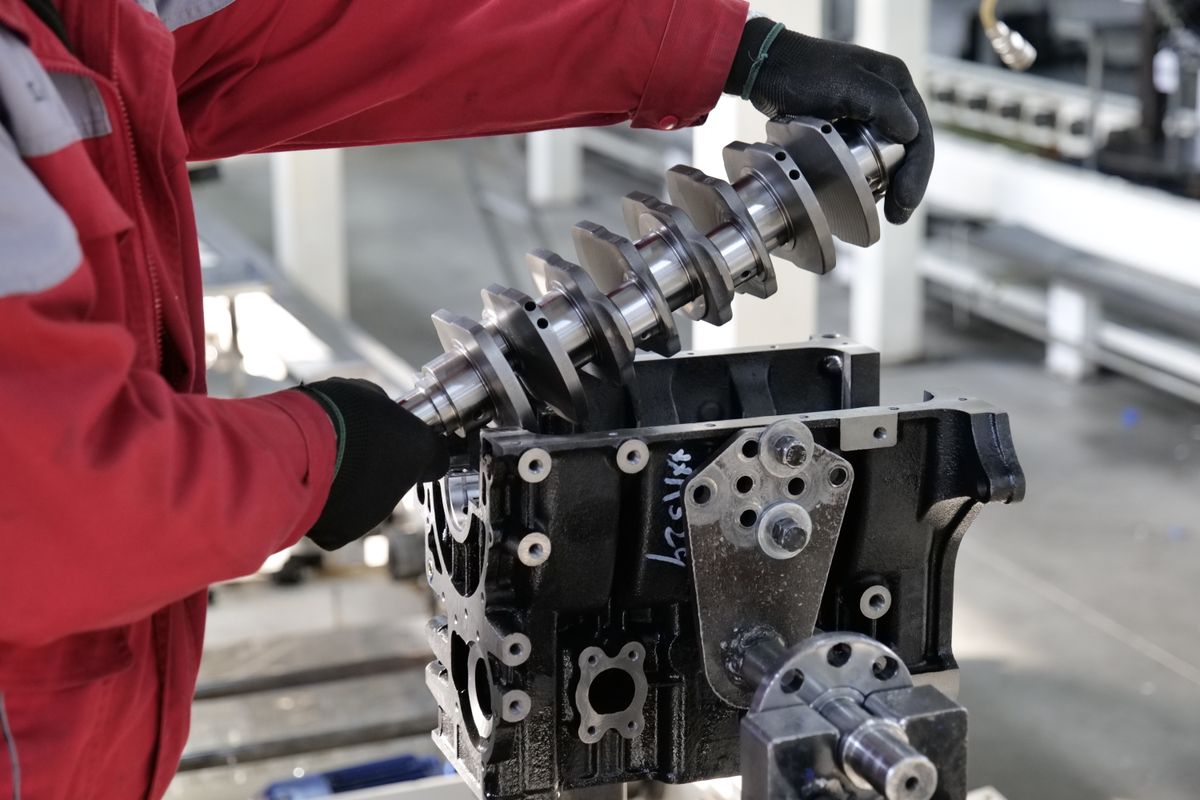
Compare petrol and diesel engines for trucks: costs, fuel economy, maintenance, and which suits your hauling needs in 2026.
If you’re choosing between a petrol and a diesel engine for your truck, the short answer is: diesel wins for heavy hauling and long hauls, while petrol makes sense for light-duty, short-distance work. Diesel engines deliver better fuel economy, more torque, and longer lifespan, but they cost more upfront and have higher maintenance costs. Petrol engines are cheaper to buy and maintain, but they burn more fuel and wear out faster under heavy loads. This guide breaks down the real numbers so you can decide based on your specific operation.
Fuel Economy and Costs
Diesel engines are 20% to 35% more fuel-efficient than petrol engines. A typical diesel truck gets 6 to 8 miles per gallon (mpg) under load, while a comparable petrol truck gets 4 to 6 mpg. Over 100,000 miles per year, that difference adds up. At $3.50 per gallon for diesel and $3.20 for petrol (2026 averages), a diesel truck burning 7 mpg costs about $50,000 in fuel annually. A petrol truck at 5 mpg costs about $64,000. That’s a $14,000 annual savings with diesel.
Fuel prices vary by region, but diesel is often 10 to 30 cents more per gallon than petrol. Even with that premium, the efficiency advantage keeps diesel ahead for high-mileage use.
Purchase Price and Resale Value
Diesel engines add $5,000 to $10,000 to the sticker price of a new truck. For example, a 2026 Ford F-250 with a 6.7L Power Stroke diesel starts around $55,000, while the 7.3L petrol V8 starts around $47,000. That’s an $8,000 difference.
Resale value favors diesel. A diesel truck retains 60% to 70% of its value after five years, while a petrol truck retains 50% to 60%. If you sell after 5 years, you’ll recoup much of the upfront cost.
Maintenance and Repair
Diesel engines require more frequent oil changes (every 15,000 to 20,000 miles) and use more oil (up to 15 quarts) than petrol engines (every 5,000 to 7,500 miles, 5 to 8 quarts). However, diesel engines last longer: 500,000 to 1,000,000 miles with proper care, compared to 200,000 to 300,000 for petrol.
Repair costs are higher for diesel. A turbocharger replacement can run $2,000 to $4,000, and fuel injectors $1,500 to $3,000. Petrol engines have simpler components, so repairs are often 30% to 50% cheaper. But because petrol engines wear out sooner, you’ll face major repairs earlier.
Torque and Towing Capacity
Diesel engines produce significantly more torque at lower RPMs, which is critical for hauling heavy loads. For example, a 2026 Ram 3500 with a 6.7L Cummins diesel makes 1,075 lb-ft of torque, while the 6.4L Hemi petrol makes 429 lb-ft. That torque translates to higher towing capacity: diesel trucks can tow 20,000 to 37,000 pounds (with proper equipment), while petrol trucks top out around 15,000 to 20,000 pounds.
If you regularly tow over 10,000 pounds, diesel is the only practical choice. For lighter loads, petrol can handle the job.
Emissions and Regulations
Diesel engines face stricter emissions rules, especially for newer models. You’ll need Diesel Exhaust Fluid (DEF) and a Diesel Particulate Filter (DPF), which add maintenance costs. DEF costs about $2.50 to $3.50 per gallon, and you’ll use 2 to 3 gallons per 1,000 miles. DPF cleaning costs $500 to $1,500 every 100,000 to 200,000 miles.
Petrol engines have simpler emissions systems, with no DEF or DPF. However, some states and cities are pushing for zero-emission vehicles, which could affect both types in the future. As of 2026, no federal ban exists on new diesel or petrol trucks, but check local rules.
Comparison Table: Petrol vs Diesel Engines
| Aspect | Petrol Engine | Diesel Engine |
|---|---|---|
| Fuel economy (mpg, loaded) | 4-6 mpg | 6-8 mpg |
| Annual fuel cost (100k miles) | $60,000-$70,000 | $45,000-$55,000 |
| Upfront cost premium | Base price | +$5,000-$10,000 |
| Resale value after 5 years | 50%-60% | 60%-70% |
| Oil change interval | 5,000-7,500 miles | 15,000-20,000 miles |
| Engine lifespan | 200,000-300,000 miles | 500,000-1,000,000 miles |
| Towing capacity (1-ton pickup) | 15,000-20,000 lbs | 20,000-37,000 lbs |
| Maintenance cost per year | $1,500-$2,500 | $2,500-$4,000 |
Which Engine Should You Choose?
Choose diesel if:
- You tow over 10,000 pounds regularly
- You drive more than 50,000 miles per year
- You plan to keep the truck for 5+ years
- You want maximum resale value
Choose petrol if:
- You tow under 10,000 pounds occasionally
- You drive less than 30,000 miles per year
- You want lower upfront and maintenance costs
- You’re on a tight budget
For a small fleet owner running daily local deliveries with light loads, petrol can save money. For an owner-operator hauling freight cross-country, diesel is the standard.
FAQ
Is diesel worth the extra cost for a new truck? Yes, if you drive over 50,000 miles per year or tow heavy loads. The fuel savings and resale value offset the upfront premium within 3 to 5 years. For low mileage, petrol is cheaper overall.
Can I use petrol in a diesel engine? No. Putting petrol in a diesel engine can cause severe damage, including fuel pump failure and injector damage. If it happens, do not start the engine; call a tow and drain the tank.
Do diesel engines need more maintenance than petrol? Yes, in terms of cost per service, but less frequently. Diesel oil changes are more expensive but happen every 15,000 to 20,000 miles. Over 100,000 miles, diesel maintenance costs about $2,500 to $4,000 per year, while petrol costs $1,500 to $2,500.
Are diesel engines being phased out? Not for heavy trucks. As of 2026, diesel remains dominant in Class 8 trucks. Some states are pushing for electric trucks, but diesel will be around for decades, especially for long-haul.
The Bottom Line
For trucking, diesel is the workhorse: better fuel economy, more torque, and longer life. Petrol is a budget option for light-duty use. Calculate your annual mileage, towing needs, and budget. If you drive over 50,000 miles a year or tow heavy, diesel pays off. Otherwise, petrol saves you money upfront. Either way, match the engine to your real workload, not just the sticker price.