Check Engine vs Maintenance Required
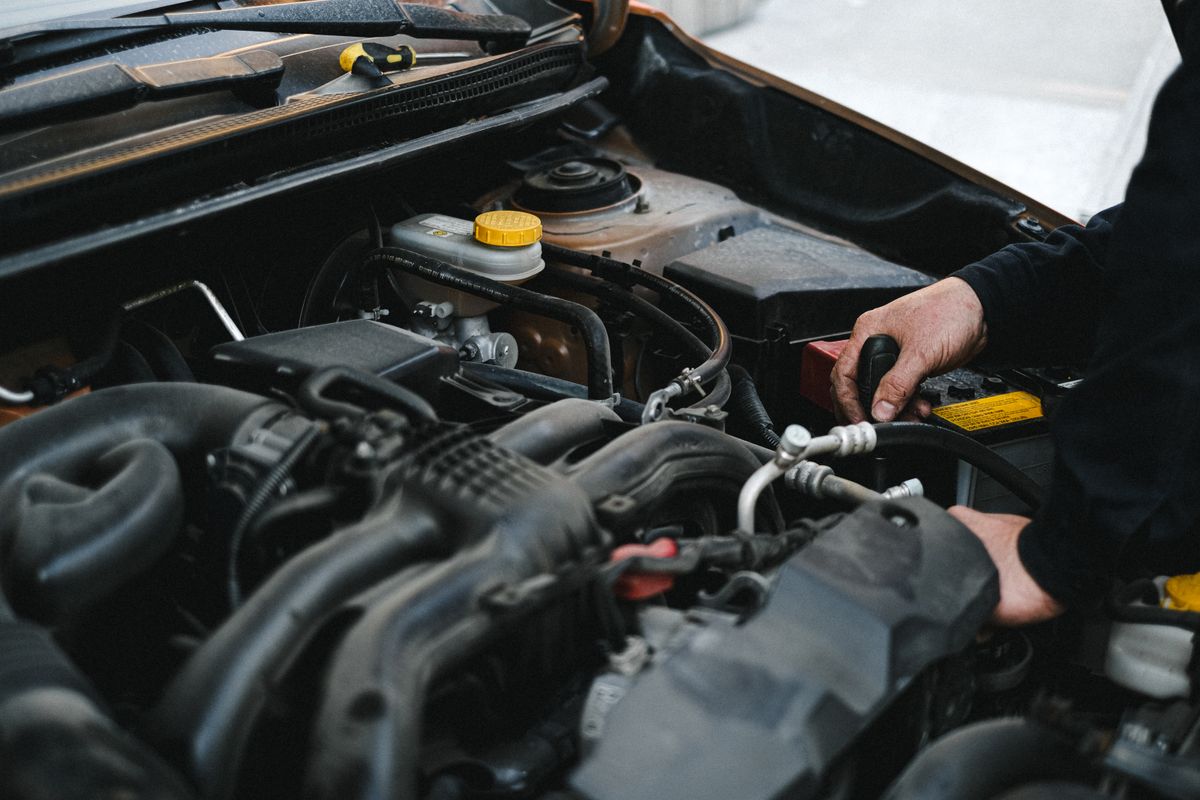
Learn the difference between check engine and maintenance required lights on diesel trucks, what each means, and how to respond. Practical guide with costs and steps.
If you drive a diesel truck, you’ve likely seen two dashboard warnings: the check engine light and the maintenance required light. They are not the same, and confusing them can cost you time and money. The check engine light signals an active fault in the engine or emissions system, while the maintenance required light is a scheduled reminder for service like oil changes or filter replacements. Here’s how to tell them apart and what to do when each comes on.
What the Check Engine Light Means
The check engine light (CEL) on a diesel engine indicates that the engine control module (ECM) has detected a fault. This could be anything from a loose fuel cap (rare on diesels) to a failing turbocharger, bad injector, or a clogged diesel particulate filter (DPF). The light is usually amber or yellow, and in some trucks it may flash if the fault is severe, such as a misfire that could damage the catalytic converter.
When the CEL comes on, the truck will often store a diagnostic trouble code (DTC) that you can read with a scan tool. Common codes for diesels include P0087 (low fuel pressure), P0401 (exhaust gas recirculation flow insufficient), and P2463 (DPF soot accumulation). Ignoring a CEL can lead to reduced fuel economy, increased emissions, and potentially expensive repairs. For example, a failed DPF can cost $3,000 to $7,000 to replace, not including labor.
What the Maintenance Required Light Means
The maintenance required light is a reminder based on mileage or time intervals, not an active fault. It typically comes on every 10,000 to 15,000 miles for oil changes, or at other intervals for fluid flushes, filter replacements, or tire rotations. On many trucks, this light is a small wrench icon or the words “MAINT REQD.” It does not indicate a mechanical problem, but it does mean you should schedule service soon.
Skipping maintenance can lead to premature wear. For instance, running beyond the oil change interval can cause sludge buildup, which may lead to turbo failure or bearing damage. A basic oil change for a diesel truck costs $150 to $300, while a full service with fuel filters and DEF top-off might run $400 to $600. Compare that to a turbo replacement at $2,500 to $5,000, and the maintenance light is worth respecting.
Key Differences: A Comparison Table
| Feature | Check Engine Light | Maintenance Required Light |
|---|---|---|
| What it indicates | Active fault or malfunction | Scheduled service reminder |
| Color | Usually amber or yellow, may flash | Usually amber or yellow, often a wrench icon |
| When it appears | Random, based on sensor readings | Fixed intervals (e.g., every 15,000 miles) |
| Urgency | Immediate attention recommended | Can be addressed within a few hundred miles |
| Typical repair cost | $200 to $7,000+ depending on issue | $150 to $600 for routine service |
| Action required | Read codes, diagnose, fix | Schedule maintenance, perform service |
How to Respond to Each Light
If the Check Engine Light Comes On
- Check for obvious issues: Look for leaks, strange noises, or loss of power. If the light is flashing, pull over safely and shut off the engine to prevent further damage.
- Read the codes: Use an OBD-II scanner or a diesel-specific scan tool. Many auto parts stores will read codes for free, but for a truck, you may need a heavy-duty scanner that can read manufacturer-specific codes. A basic Bluetooth scanner costs $20 to $50, but a professional-grade tool like a Diesel Laptops or Snap-On can run $500 to $3,000.
- Diagnose and fix: Based on the code, determine if it’s something you can handle, like cleaning a sensor, or if you need a shop. For example, a P0401 might just require cleaning the EGR valve, which you can do with a $20 can of cleaner. But a P2463 may require a forced regeneration, which a shop might charge $200 to $400 for, or a DPF replacement at $3,000+.
- Reset the light: After fixing the issue, clear the codes with a scanner. The light should stay off if the problem is resolved.
If the Maintenance Required Light Comes On
- Check your owner’s manual: Find the exact service interval and what is included. For most diesel trucks, it’s an oil and filter change, plus a fuel filter replacement every other service.
- Schedule service: Book an appointment with a trusted diesel shop or do it yourself if you have the skills. Keep a log of what was done and when.
- Reset the light: After service, reset the maintenance light. The procedure varies by make and model, but often involves turning the key to the “on” position without starting, then pressing a button or holding the trip reset. Check your manual or online for specifics.
- Don’t ignore it: Even if the truck runs fine, the reminder exists for a reason. Oil breaks down, filters clog, and fluids lose their protective properties.
Common Misconceptions
- “The maintenance light is the same as the check engine light.” No, they are separate systems. The maintenance light is a timer, not a sensor.
- “If the check engine light is on, I can just clear it and it will go away.” Clearing codes without fixing the underlying issue will only cause the light to return, often with more damage.
- “Maintenance lights are just a way for shops to make money.” While some shops may upsell, the intervals are set by the manufacturer based on engineering data. Skipping them is a gamble.
FAQ
Can I drive with the check engine light on?
Yes, but with caution. If the light is steady, you can usually drive to a shop, but limit speed and load. If it’s flashing, stop immediately and shut off the engine to avoid catastrophic damage.
How much does it cost to diagnose a check engine light?
A shop may charge $100 to $200 for a diagnostic, but many will waive it if you have the repair done there. If you buy a scanner, you can read the codes yourself for free.
How often does the maintenance required light come on?
It depends on the truck. Common intervals are 10,000 to 15,000 miles for oil changes, and 30,000 to 50,000 miles for fuel filters or coolant flushes. Check your owner’s manual.
Can I reset the maintenance light myself?
Yes, in most cases. The procedure is simple, often involving a button sequence. Search online for your specific make and model, or check the manual. It takes less than a minute.
The Bottom Line
The check engine light and maintenance required light serve different purposes. The check engine light demands immediate attention to avoid costly repairs, while the maintenance required light is a scheduled reminder that, if ignored, can lead to premature wear. Always read the codes when the CEL comes on, and never skip scheduled maintenance. A $300 oil change is far cheaper than a $5,000 turbo replacement. Know the difference, and you’ll keep your rig running longer and your wallet fuller.