Average Cost for Diesel Oil Change
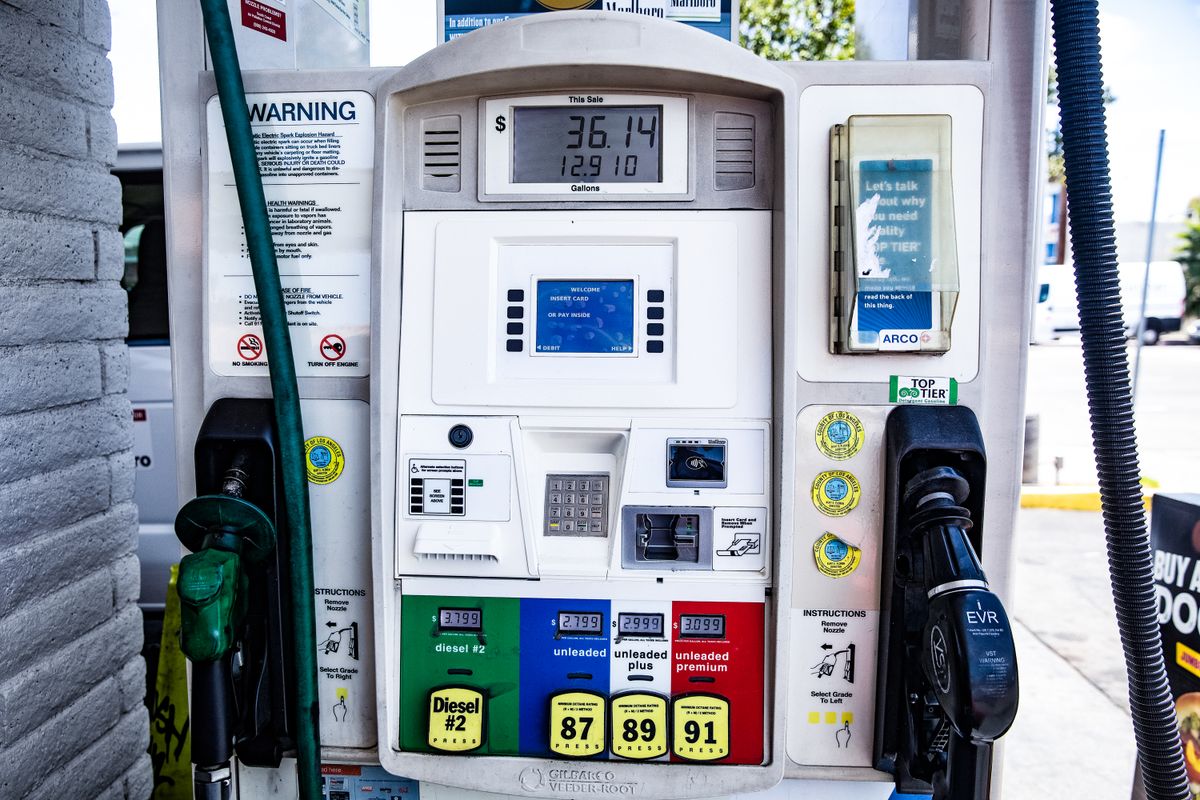
Learn the average cost for a diesel oil change in 2026, including DIY vs. shop prices, factors that affect cost, and money-saving tips.
If you’re asking what a diesel oil change costs, the short answer is: expect to pay anywhere from $150 to $400 at a shop, or $80 to $180 if you do it yourself. But the exact figure depends on your engine’s oil capacity, the type of oil and filter you choose, and whether you’re at a dealership, an independent shop, or in your own driveway. This guide breaks down the numbers so you can budget accurately and avoid overpaying.
What Determines the Cost of a Diesel Oil Change?
Diesel engines hold more oil than gas engines, and they require heavier-duty lubricants. Here are the main cost drivers:
- Oil capacity: Most pickup trucks (like Ford F-250, Ram 2500) take 10 to 13 quarts. Class 8 trucks (semi-trucks) can take 30 to 50 quarts. More oil means more cost.
- Oil type: Conventional diesel oil is cheaper, but synthetic blends and full synthetics cost more. For modern diesel engines with DPF systems, you need low-ash CJ-4 or CK-4 oil, which is pricier.
- Filter cost: Oil filters range from $10 to $50, depending on brand and whether it’s a spin-on or cartridge type. Some trucks also have a separate fuel filter that you might replace at the same time.
- Labor rates: Independent shops charge $75 to $120 per hour. Dealerships can run $120 to $180 per hour. A typical oil change takes 30 to 60 minutes, so labor is $40 to $150.
- Location: Urban areas and remote locations with fewer options often have higher prices.
Average Costs by Engine Type (2026)
Here’s a realistic range for common diesel engines. These are national averages; your actual price will vary.
| Engine Type | Oil Capacity | DIY Cost (Oil + Filter) | Shop Cost (Parts + Labor) |
|---|---|---|---|
| Light-duty pickup (6.7L, e.g., Ford Power Stroke) | 13 quarts | $80-$120 | $150-$250 |
| Heavy-duty pickup (6.6L Duramax, 6.7L Cummins) | 12-13 quarts | $85-$130 | $160-$260 |
| Medium-duty truck (e.g., Freightliner M2) | 20-30 quarts | $150-$220 | $250-$350 |
| Class 8 semi (e.g., Detroit DD15) | 40-50 quarts | $250-$350 | $350-$500 |
Note: These figures assume standard CJ-4 or CK-4 oil. If you use a premium synthetic, add $30 to $60.
DIY vs. Professional: Which Is Cheaper?
Doing it yourself saves on labor, but you need the right tools and a safe place to work. Here’s the breakdown.
DIY Oil Change
- Cost: $80 to $180 for oil and filter.
- Tools needed: Socket wrench, oil filter wrench, drain pan, and a funnel. If you don’t have these, add $30 to $60 for basic tools.
- Time: 1 to 2 hours, including cleanup.
- Pros: You know exactly what’s going in, and you save $60 to $150 in labor.
- Cons: You have to dispose of used oil properly (many auto parts stores accept it free). You also need to be comfortable working under a heavy vehicle.
Professional Oil Change
- Cost: $150 to $400, depending on the shop and oil type.
- What you get: Labor, filter, oil, and often a multi-point inspection. Some shops include a free fluid top-off.
- Time: 30 to 60 minutes if you wait, or drop off and pick up later.
- Pros: No mess, no disposal hassle, and a trained eye can spot other issues.
- Cons: Higher cost, and you have to trust the shop to use the right oil.
If you’re a new owner-operator, a professional change might be worth it for the inspection. But if you’re handy, DIY is a solid money-saver.
How to Save Money on a Diesel Oil Change
Here are practical steps you can take this week:
- Buy your own oil and filter. Shops often mark up parts 30% to 50%. If you buy a 5-gallon pail of CJ-4 oil online or at a distributor, you can save $20 to $40.
- Look for shop coupons. Many chains like Speedco or TA offer $20 to $30 off oil changes. Check their websites or apps.
- Combine services. If you need a fuel filter or air filter changed, do it at the same time. Some shops give a discount for bundled services.
- Ask about fleet discounts. If you have a small fleet or are an owner-operator, some shops offer 5% to 10% off.
- Extend intervals if you can. Some newer diesels have oil life monitors that allow 10,000 to 15,000 miles between changes. But always follow your owner’s manual. If you idle a lot or run heavy loads, stick to the severe service schedule.
Oil Change Frequency: Don’t Overdo It
Changing oil too often wastes money. Here are typical intervals for 2026:
- Light-duty pickups: 7,500 to 10,000 miles under normal conditions; 5,000 miles if you tow or idle often.
- Medium-duty trucks: 15,000 to 25,000 miles, depending on the engine and oil quality.
- Class 8 semis: 25,000 to 50,000 miles, but many fleets use oil analysis to extend intervals.
Always check your owner’s manual and follow the oil life monitor. If you’re unsure, a $20 oil analysis kit can tell you if the oil is still good.
FAQ
How often should I change the oil in my diesel truck?
It depends on the engine and usage. Light-duty pickups typically need it every 7,500 to 10,000 miles. Heavy-duty trucks can go 15,000 to 25,000 miles. Semis can go 25,000 to 50,000 miles. Check your manual and adjust for towing or idling.
Can I use regular gas engine oil in my diesel?
No. Diesel engines need oil with specific additives for soot control and wear protection. Use API CJ-4 or CK-4 rated oil. Using the wrong oil can damage the engine and void your warranty.
Is a synthetic oil change worth the extra cost?
Synthetic oil costs $30 to $60 more per change, but it can extend drain intervals and provide better protection in extreme temperatures. If you drive in severe conditions or want to maximize engine life, it’s worth it. For light-duty use, conventional is fine.
What do I do with used diesel oil?
Most auto parts stores (like AutoZone or O’Reilly) accept used oil for free. Some shops also take it. Never pour it down the drain or on the ground; it’s illegal and harmful.
The Bottom Line
A diesel oil change costs $150 to $400 at a shop, or $80 to $180 if you do it yourself. The biggest factors are oil capacity, oil type, and labor rates. To save money, buy your own parts, look for coupons, and don’t change oil more often than needed. If you’re a new owner-operator, consider a professional change for the inspection, then switch to DIY once you’re comfortable. Either way, keep records of every change; it helps with resale value and maintenance tracking.