Are Diesel Engines More Reliable
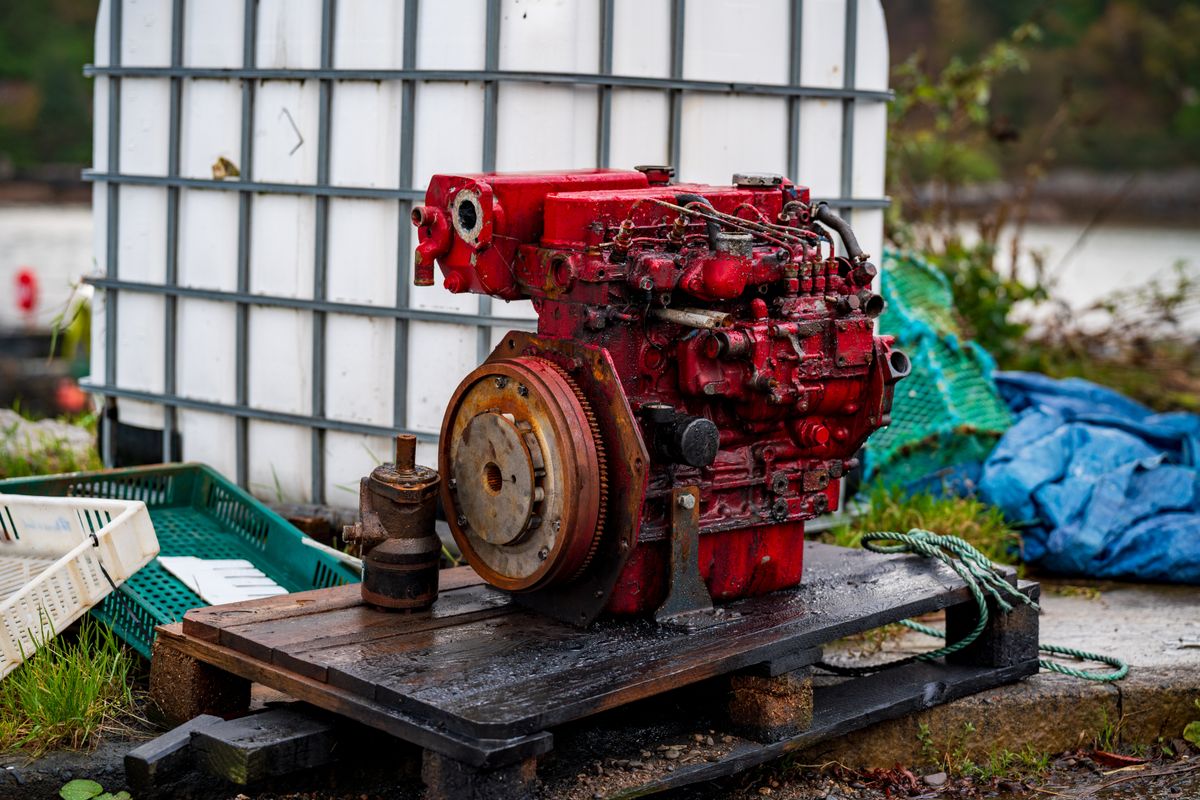
Diesel engines are known for durability, but reliability depends on maintenance and usage. Here's what truckers need to know in 2026.
If you’re asking whether diesel engines are more reliable than gasoline engines, the short answer is yes, but with caveats. Diesels are built heavier, run at lower RPMs, and have no spark plugs or ignition coils, which removes common failure points. However, they also have higher compression, more complex emissions systems, and require stricter maintenance. In this guide, we’ll break down what reliability really means for a diesel in a heavy truck, what it costs to keep one dependable, and what you can do this week to avoid breakdowns.
Why Diesels Are Generally More Reliable
Diesel engines are designed for continuous heavy load. Key factors include:
- Heavier block and internals: Diesel blocks are cast iron or forged steel, built to withstand compression ratios of 16:1 to 20:1. Gas engines typically run 8:1 to 12:1. This extra strength means less flex and wear over time.
- Lower RPM operation: A diesel in a Class 8 truck often cruises at 1,200 to 1,500 RPM, while a gas engine might run 2,000 to 3,000 RPM. Lower RPM means less friction and heat, extending component life.
- No spark system: No spark plugs, coils, or distributors means fewer electrical failures. Diesel relies on compression heat to ignite fuel.
- Fuel lubricity: Diesel fuel has natural lubricating properties that help protect injectors and pumps, though low-sulfur diesel has reduced this benefit, so additives are often needed.
That said, modern diesels are not indestructible. Emissions equipment (DPF, DEF, EGR) adds complexity and is a common source of problems if not maintained.
The Cost of Reliability: Maintenance Matters
Reliability isn’t free. A diesel engine will last 500,000 to 1,000,000 miles with proper care, but neglect can kill it at 200,000. Here’s what you need to budget for:
- Oil changes: Every 15,000 to 25,000 miles for highway use. Synthetic diesel oil costs $15 to $25 per gallon, and a typical 15-quart system runs $150 to $250 per change. Do it yourself or pay a shop $300 to $500.
- Fuel filters: Replace every 10,000 to 15,000 miles. A set (primary and secondary) costs $50 to $120. Water separators need draining regularly.
- Air filters: Check every 15,000 miles, replace at 30,000 to 45,000. Cost: $40 to $80.
- Coolant: Test and replace every 2 to 3 years or 50,000 to 100,000 miles. Coolant and labor: $200 to $400.
- Emissions system: DPF cleaning or replacement can run $2,000 to $8,000. DEF system repairs can be $1,500 to $4,000. Preventative maintenance reduces these risks.
A realistic annual maintenance budget for a diesel truck is $3,000 to $6,000, not including tires or brakes. That’s higher than a gas engine, but the engine itself lasts longer.
Common Diesel Reliability Issues (and How to Avoid Them)
Even reliable diesels have weak points. Here’s what to watch:
- DPF clogging: If you do lots of short trips or idle excessively, the diesel particulate filter can clog. Solution: take the truck on a highway run to allow regeneration, or perform a parked regen as per manufacturer instructions.
- EGR valve failure: Carbon buildup can stick the valve. Clean it every 100,000 miles or replace if needed. Cost: $300 to $800 for parts and labor.
- Fuel injector problems: Dirty fuel or water can damage injectors. Use quality fuel, change filters on schedule, and consider a fuel additive with lubricity.
- Glow plug issues: In cold weather, a failed glow plug can cause hard starts. Replace as a set if one fails. Cost: $200 to $500.
- Coolant leaks: Head gasket or water pump failures are serious. Watch for white smoke or coolant loss. Address immediately.
Prevention is simple: follow the maintenance schedule in your owner’s manual, use quality parts and fluids, and don’t ignore warning lights.
Diesel vs. Gas: A Reliability Comparison
Here’s a quick comparison for a heavy-duty pickup or medium-duty truck (not a semi):
| Factor | Diesel | Gasoline |
|---|---|---|
| Typical lifespan | 300,000 to 500,000+ miles | 150,000 to 250,000 miles |
| Maintenance cost per year | $1,500 to $3,000 | $1,000 to $2,000 |
| Fuel economy (loaded) | 15-20 mpg (diesel) | 10-15 mpg (gas) |
| Resale value | Higher (10-20% more) | Lower |
| Repair complexity | More complex emissions | Simpler |
| Cold weather starting | Needs glow plugs | Easier |
For a Class 8 truck, diesel is the only practical option, but for a pickup, the choice depends on how much you tow and how long you keep the vehicle.
Practical Steps to Ensure Diesel Reliability This Week
You don’t have to wait for a breakdown. Do these this week:
- Check your fluids: Oil, coolant, DEF, and windshield washer. Top off as needed.
- Inspect fuel filters: Look for water separator warning lights. Drain water if present.
- Listen for unusual noises: A ticking or knocking sound could indicate injector or valve issues.
- Review your maintenance log: If you’re due for an oil change or filter replacement, schedule it.
- Drive a regen cycle: If your DPF light is on, take the truck on a 30-minute highway run at highway speed.
- Check for leaks: Look under the truck for oil, coolant, or fuel drips.
These checks take 30 minutes and can save you thousands.
FAQ
Q: How many miles can a diesel engine last? A: With proper maintenance, a heavy-duty diesel can last 500,000 to 1,000,000 miles. Many owner-operators report over 1 million miles on original engines.
Q: Are diesel engines more expensive to repair? A: Yes, parts and labor are typically 20-30% higher than gas engines. A major repair like a turbocharger replacement can cost $2,000 to $4,000.
Q: Do diesel engines need special oil? A: Yes, use API CK-4 or FA-4 rated oil for modern diesels. Check your owner’s manual for the correct viscosity (often 15W-40 or 5W-40).
Q: Can I make my diesel more reliable? A: Yes, follow the maintenance schedule, use quality fuel and filters, avoid excessive idling, and fix small issues before they become big.
The Bottom Line
Diesel engines are more reliable in terms of longevity and durability, but they demand more attention and higher maintenance costs. If you’re willing to stay on top of maintenance, a diesel will outlast a gas engine by a wide margin. If you neglect it, you’ll face expensive repairs. For truckers, the answer is clear: diesel is the workhorse that pays off when treated right. Start with the steps above to keep your engine running strong for years to come.